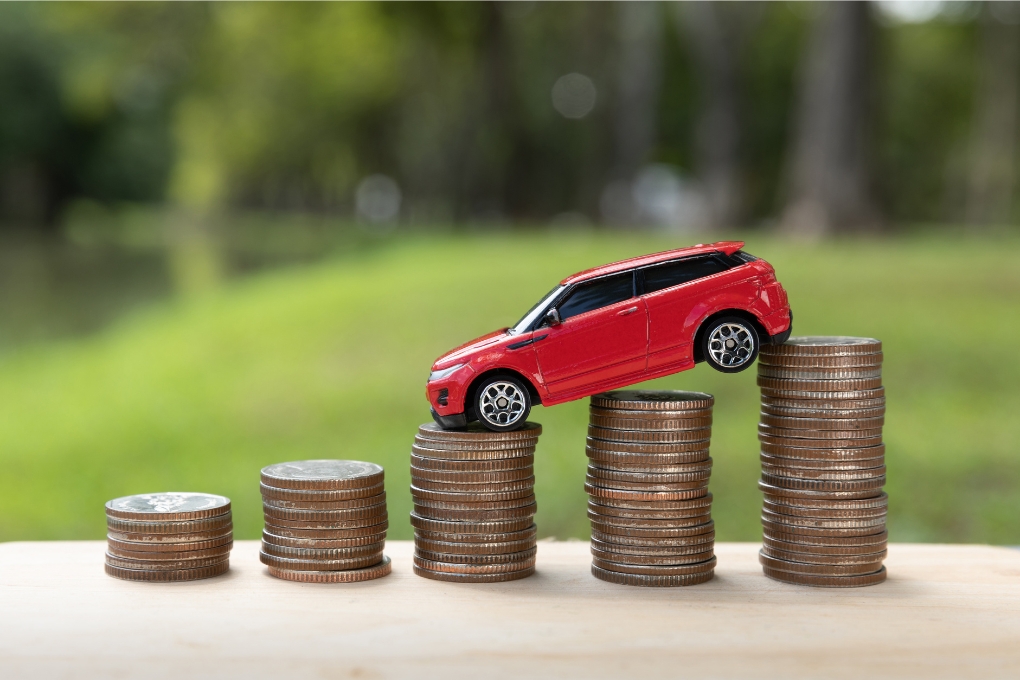


Cars are widely considered depreciating assets, which means their value naturally decreases over time. Typically, a brand-new car can lose between 15% and 25% of its value in the first year, and over five years, this depreciation can reach up to 60%.
Therefore, understanding car depreciation is crucial for informed car ownership. When you know how much your vehicle may lose value over time, you can plan smarter for maintenance, insurance, and future resale.
Keep reading for a detailed insight.
What Factors Affect the Car Resale Value in India?
A combination of various factors determines the price of a second-hand car, each influencing its resale value in different ways. Below are some of the critical factors affecting car resale value:
- Make and Model
Cars from reputable, trusted brands often retain their value better than those from lesser-known brands due to their reliability, build quality, and after-sales support. Similarly, certain models are more sought after in the used-car market for their features, fuel efficiency, and performance.

- Age of the Car
A car’s value naturally depreciates over time due to regular wear and tear, outdated technology, and market trends. Older vehicles tend to require more maintenance, such as replacing worn parts, servicing the engine, or addressing rust or corrosion, all of which reduce their market value.
- Mileage
Cars with lower mileage are generally considered to have experienced less wear and tear, which increases their resale value. Conversely, vehicles with higher mileage may require more maintenance, such as servicing the engine, brakes, or suspension, which can decrease their market worth.
- Service History
A well-documented service history can significantly enhance a car’s resale value. Regular servicing indicates that the vehicle has been adequately maintained, which reassures potential buyers about its reliability.
Keeping records of all services, including oil changes, part replacements, and routine inspections, can add 10–20% to the car’s resale price.
- Number of Owners
The number of previous owners also affects a car’s value. Vehicles that have changed hands multiple times are generally considered less desirable because they may have inconsistent maintenance histories, increased wear, and a higher likelihood of hidden issues.
On the other hand, cars with a single owner or minimal changes in ownership are often more reliable and attractive to buyers, allowing the seller to command a higher price.
- Insured Declared Value (IDV)
IDV is a vehicle’s current market value (after depreciation) and is the maximum amount the insurer pays in the event of theft or total loss. Cars with a higher IDV in car insurance reflect better market value, enabling sellers to effectively negotiate a stronger resale price for their vehicle.
For this, a car that has been continuously insured with fewer major claims indicates responsible ownership and better overall condition. Thus, maintaining car insurance and renewing policies on time helps buyers see the vehicle as well-protected and may improve the final resale offer.
- Interior Condition and Features
Worn-out seats, stained upholstery, broken panels, or malfunctioning features such as the AC or infotainment system can reduce value. Conversely, a well-maintained interior with functional electronics, clean upholstery, and upgraded features, such as a better sound system, reverse cameras, or safety enhancements, can improve car resale value.
- Exterior Features
External modifications like alloy wheels, spoilers, or body kits may add appeal, but poorly executed customisations or visible damage such as scratches, chipped paint, or rust can lower the price. A well-maintained exterior reflects the care given to the vehicle, reassuring buyers and increasing market value.
- Body Type
SUVs have become particularly popular in the second-hand market for their space, safety, and versatility, especially for families or commercial use. Sedans and hatchbacks also have steady demand, though it may vary by model and features.
- Colour
Neutral colours like black, grey, silver, and white are generally more popular and tend to fetch higher prices because they appeal to a broader range of buyers. Uncommon, bright, or customised colours may limit the pool of potential buyers and reduce resale value.
How to Retain Your Car’s Resale Value?
While it’s impossible to completely prevent a car from losing value over time, there are several effective strategies to slow down its depreciation, such as:
- Consider Buying a Used or Certified Pre-Owned (CPO) Car
Opting for a certified pre-owned vehicle, ideally around 2 years old, can help you avoid the steepest depreciation, as most depreciation occurs during the first 2 to 3 years. CPO cars also come with manufacturer-backed warranties, offering reliability without the high price tag of a brand-new vehicle.
- Stick to Regular Maintenance
Routine servicing is key to keeping your car in top condition. Following the manufacturer’s service schedule and keeping detailed records of all repairs and maintenance not only ensures smooth performance but also demonstrates to potential buyers that the car has been well cared for, boosting its resale value.
- Avoid Major Modifications
Custom upgrades, such as aftermarket wheels, sound systems, or unique paint jobs, may appeal to you but are often less desirable to typical buyers, which can reduce the vehicle’s resale price.
- Drive Carefully
Cautious driving, avoiding hard braking, speeding, and overloading, helps preserve your car’s mechanical health, extending its lifespan and enhancing its value over time.
- Protect the Car’s Interior and Exterior
Maintaining the car’s appearance is essential. Using floor mats and seat covers, parking in shaded areas, regular cleaning and waxing, and employing car covers can prevent wear and tear, keeping the vehicle looking nearly new for longer.
In India, a car’s resale value is shaped by key factors such as age, mileage, maintenance quality, and market demand. Regular servicing, responsible driving habits, and proper care of both the interior and exterior can meaningfully preserve its value over time.
For buyers, choosing a well-maintained or certified pre-owned vehicle can also help avoid steep early depreciation. By understanding what drives resale pricing, car owners can better protect their investment and achieve a stronger resale price when they decide to sell.