

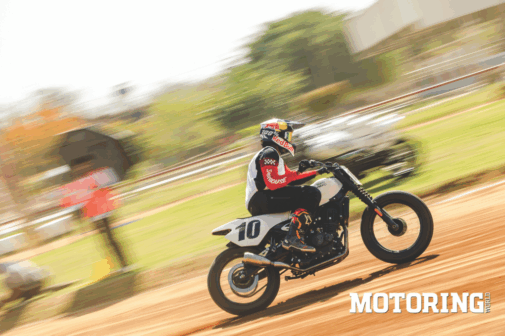
The wide oval at Royal Enfield’s Jaipur facility looks deceptively simple. A glance suggests it’s just dirt, two sweeping corners, and a straight that loops back on itself. But once the bikes fire up and the rear wheels start clawing at the surface, that oval transforms into a stage for one of motorcycling’s most demanding disciplines — flat track racing.
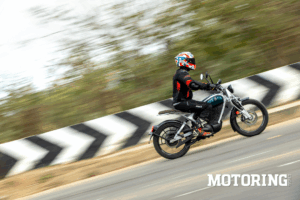
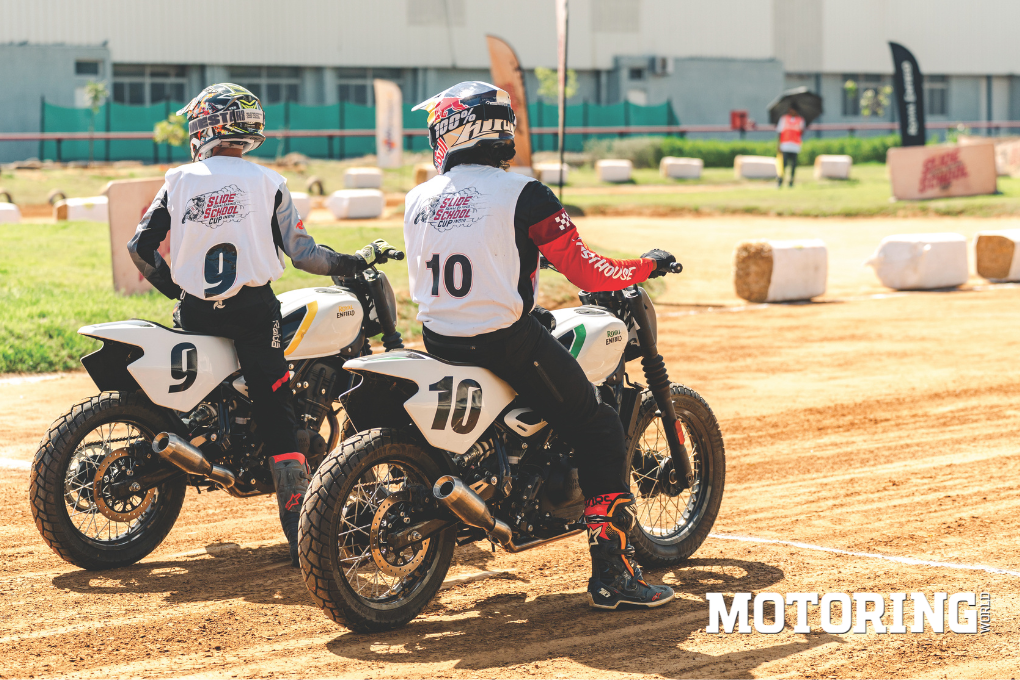
Season 2 of the Royal Enfield Slide School Cup brought the best flat-trackers from across the country to Jaipur for the final showdown. The route to this point wasn’t easy. Each of the 12 finalists had earned their spot by finishing in the top three during the regional rounds held in Goa, Bengaluru, Pune and Jaipur. But before even reaching those rounds, every participant had to pass through the rigorous training pipeline of the Royal Enfield Slide School, learning the peculiar art of riding fast on dirt with no front brake. The machines they rode were purpose-built flat-trackers: the Royal Enfield FT450, derived from the Royal Enfield Guerrilla 450. Stripped down and set up purely for sideways action, these bikes thrive on loose dirt, rewarding commitment and punishing hesitation.
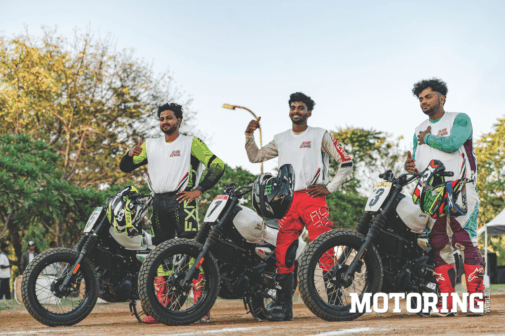
Before the racing began, the riders went through a refresher training session led by flat-track racer Leah Tokelove. The idea was simple: reacquaint everyone with the rhythm of the discipline. On a flat track, the approach is almost counterintuitive. With no front brake, speed is controlled by throttle, body positioning and the rear brake, pitching the bike sideways into corners before driving out with the rear wheel spinning. And this time, every racer was going to wear a hot shoe — a metal shoe-like slider for the left foot, to drag along the track surface through corners.
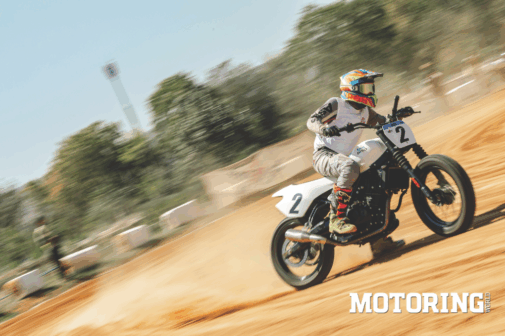
The Jaipur track itself was a wide oval, carefully maintained throughout the day. Between races, the organisers watered the surface to keep the dirt tacky and predictable. Under the punishing summer sun, that effort made all the difference. It ensured that the racing remained fast, close and, most importantly, safe.
The competition format kept the intensity high. Each heat featured two motos, with the top two riders advancing to the next round. By the time the finals rolled around, the field had been whittled down to the fastest riders of the weekend. And the final battles did not disappoint.
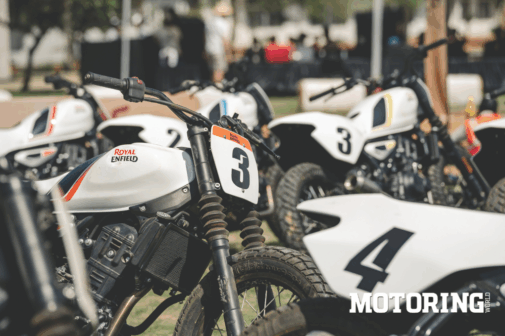
While Sreeraj Harshan ultimately clinched the championship, the real spectacle was the fierce contest between the top four riders — Sreeraj, Kayan Patel, Sultan Shaikh and Clinton Cordeiro. The quartet traded positions, slid into corners inches apart and fought for every bit of traction the track offered.
Perhaps the most remarkable moment of the finals belonged to Kayan Patel. After dislocating his shoulder in the first moto, he still lined up for the second moto of the final. What followed was a display of sheer grit: Patel rode through the pain and won. In a discipline already known for its physical demands, his ride stood out as a testament to determination.
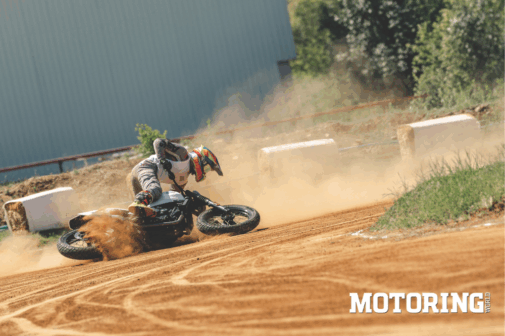
Watching the racers up close makes you realise how punishing flat-track racing can be. The constant sliding, the fight for grip and the relentless summer heat demand absolute focus and stamina. Somewhere in the middle of all this serious racing, a small group of journalists — myself included — were given the chance to experience the discipline firsthand in a media race.
Four of us lined up for our own two-moto contest on the same oval. The goal, at least for me, wasn’t victory. It was survival. Flat track has a way of humbling even experienced riders, and my strategy was simple: maintain a steady pace, keep the bike sideways when needed and — most importantly — avoid crashing.
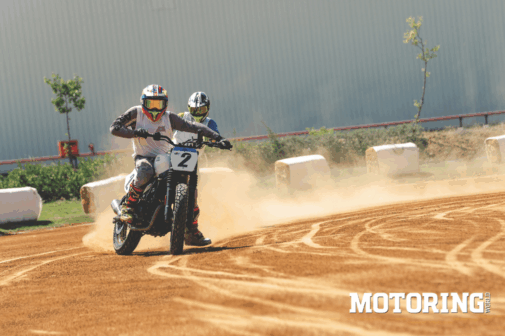
Thankfully, the lessons from my training sessions at the Slide School’s facility at Autologue Ranch kicked in quickly. The pre race coaching session in Jaipur helped too, especially because this was our first time riding with a proper flat-track hot shoe. That steel slider transforms how you approach corners, allowing you to plant your foot and stabilise the slide as the bike drifts through the turn.
Lap after lap, the rhythm began to make sense. Brake with the rear, flick the bike sideways, hold the slide and roll on the throttle to fire out of the corner. It’s a strange but addictive dance. When the dust finally settled, I crossed the line third overall — nothing to brag of, but satisfying nonetheless.
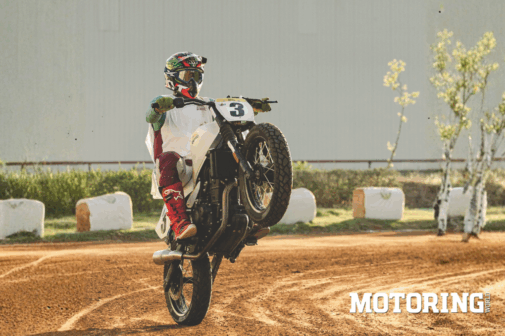
More than the podium finish, the experience reinforced something important. Flat-track riding isn’t just about going sideways for spectacle. It builds a deeper understanding of throttle control, balance and traction, skills that translate directly to better motorcycle control in the real world.
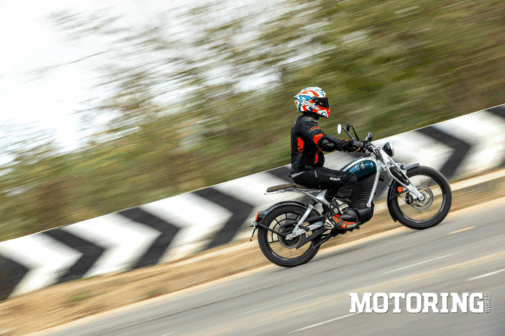
And that’s the biggest takeaway from the Slide School Cup. Yes, it’s a racing championship. But it’s also a reminder that sometimes the best way to become a better rider is to step onto a dirt oval, forget about the front brake, and learn to trust the slide.