

26 July 2005 is a date that’s forever seared into my memory. It was the day the skies broke loose over Mumbai, flooding large parts of the city and bringing life to a standstill. Streets became rivers, cars floated away and thousands of people found themselves stranded.
My mother and I were driving back to Pune that day in our bright red Maruti 800. Thankfully, we weren’t in the worst-hit parts of Mumbai, but the rain was relentless. What I remember most vividly, though, wasn’t the weather itself. It was witnessing my first serious road accident.
Soon after the first toll booth, we settled into a steady cruise at around 70 kph. Moments later, a Ford Ikon blasted past us at well over 100 kph. It was, and still is, one of my favourite cars, so I watched it disappear into the rain. Then, without warning, the driver lost control. The Ikon spun three or four times before finally coming to a stop.
Thankfully, nobody appeared to be badly hurt, but the image has stayed with me ever since. The culprit was almost certainly aquaplaning. And here’s the thing about aquaplaning: it doesn’t matter how experienced you are behind the wheel. Once your tyres lose contact with the road, you’re relying more on physics than driving skill.
So what exactly is aquaplaning?
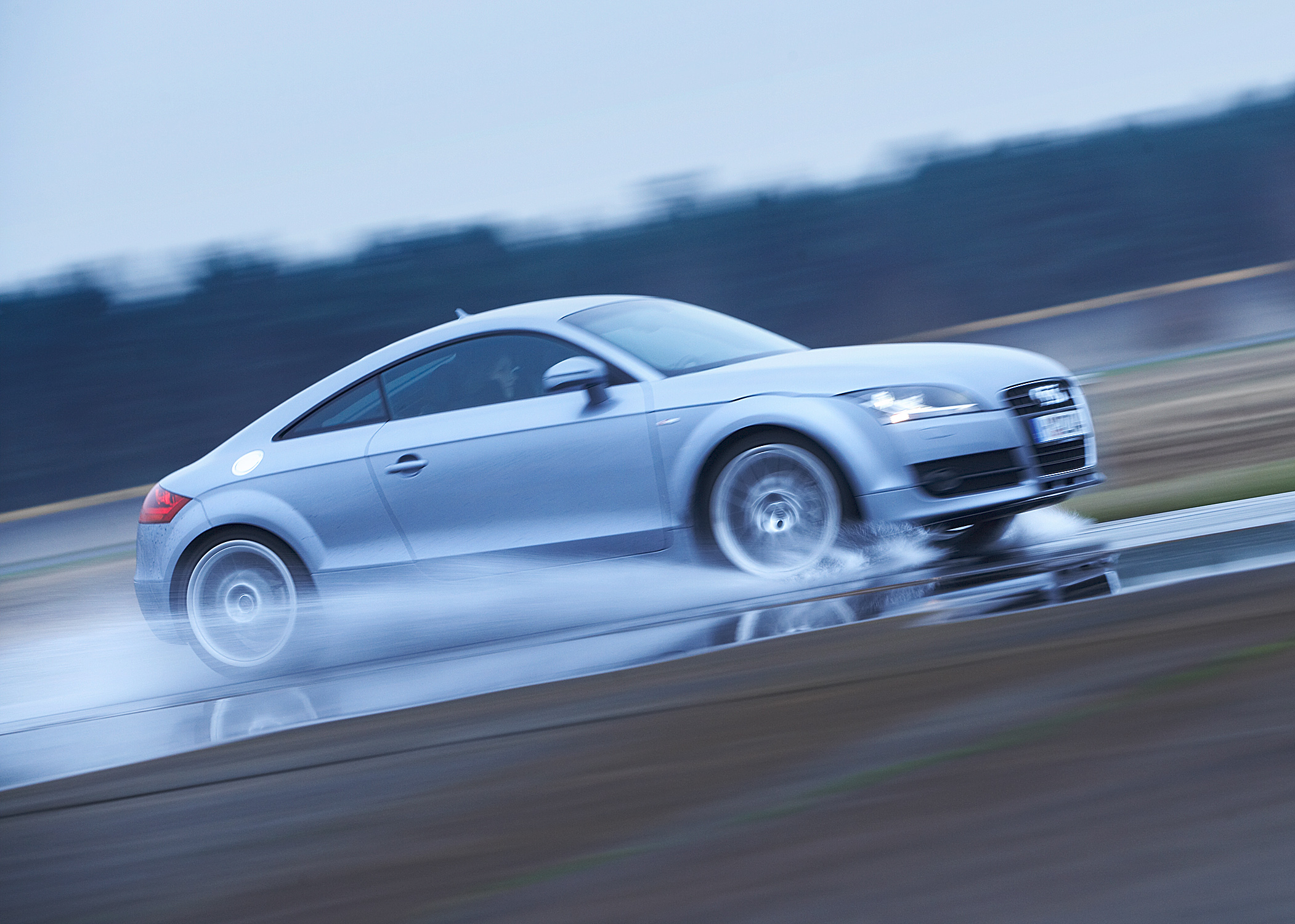
Under normal conditions, a tyre’s tread channels water away from the contact patch, allowing the rubber to grip the road. But if there’s too much standing water, or you’re travelling too quickly for the tread to disperse it, a layer of water builds up beneath the tyre. Instead of gripping the tarmac, the tyre begins riding on the water.
The result is a dramatic loss of traction. The steering may suddenly feel light, the car may ignore your steering inputs or continue travelling straight despite the wheels being turned. If one or two tyres aquaplane, the vehicle can pull sharply to one side. If all four lose grip simultaneously, you have very little control until the tyres reconnect with the road.
Several factors increase the likelihood of aquaplaning. Speed is the biggest one. The faster you’re travelling, the less time the tyres have to clear water. Standing water is obviously more dangerous than a damp road, while worn tyres with shallow tread struggle to disperse water effectively. Incorrect tyre pressures also reduce the tyre’s ability to maintain proper contact with the road, and smooth, poorly drained stretches of tarmac tend to make matters worse.
The good news is that aquaplaning is often preventable.
The simplest solution is also the most effective: slow down. Reducing your speed gives the tyres more time to clear water and maintain grip. It’s equally important to leave a larger gap to the vehicle ahead because braking distances increase significantly on wet roads.
Your tyres also deserve regular attention. Healthy tread depth dramatically improves wet-weather performance, while maintaining the correct tyre pressures helps maximise the contact patch. If you can safely avoid visible pools of standing water, do so, as they’re often deeper than they appear.
The way you drive matters just as much. Smooth steering, gentle braking and progressive throttle inputs help the tyres maintain grip. If you have to drive through standing water, try to keep the steering wheel as straight as possible and avoid making unnecessary corrections until you’re through it. If your car does begin to aquaplane, don’t panic.
Your first instinct may be to brake hard or make a sudden steering correction. Resist it. Instead, ease off the accelerator and keep the steering wheel pointing in the direction you want the car to travel. As the vehicle slows, the tyres will gradually cut through the water and regain contact with the road. Once you can clearly feel the steering respond normally again, you can begin braking or steering more assertively if necessary.
One final hazard that’s easy to overlook during the monsoon is spray from other vehicles. A truck ploughing through standing water can throw a wall of water across your windscreen, leaving you effectively blind for a few seconds. At highway speeds, that’s all it takes to miss a bend or fail to spot slowing traffic ahead. Leave a generous following distance and be especially cautious around large vehicles during heavy rain.
I’ve never forgotten that Ford Ikon spinning across the highway nearly two decades ago. It was a stark reminder that in wet weather, even the best cars — and the most confident drivers — are only as good as the grip beneath their tyres.
The next time the heavens open, don’t try to be the fastest vehicle on the road. Slow down, leave a bigger gap and let your tyres do what they were designed to do: grip the tarmac, not surf across it.