

There’s a reason the letters GS carry weight. Short for Gelände/Straße — off-road and road — they don’t just describe what the motorcycle can do, they define what it must do. Strike that balance, and you’ve got a proper GS. Miss it, and it’s just another adventure bike in a very crowded segment. With the new BMW F 450 GS sitting at the very entry point into BMW’s GS family, getting that balance right felt more important than ever.
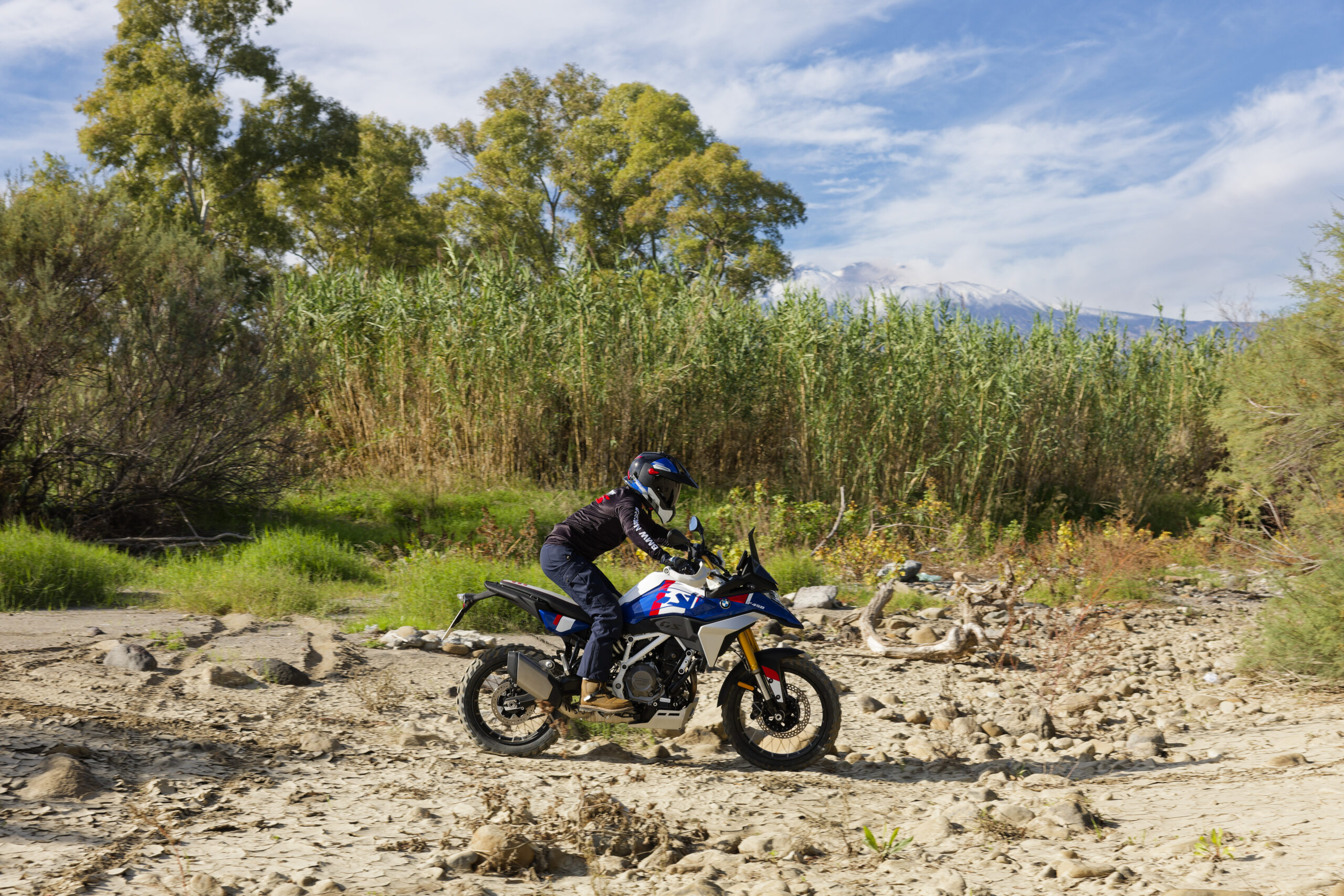
I found out what it was really about in the humid, slightly suffocating heat of Goa. The kind that makes your riding jacket feel like a bad life choice within minutes. The plan was simple — ride it everywhere. Through narrow Goan lanes where the susegad life doesn’t take kindly to early-morning disturbances, onto a short highway stretch, and finally into patches of fine red sand that had no intention of making things easy.
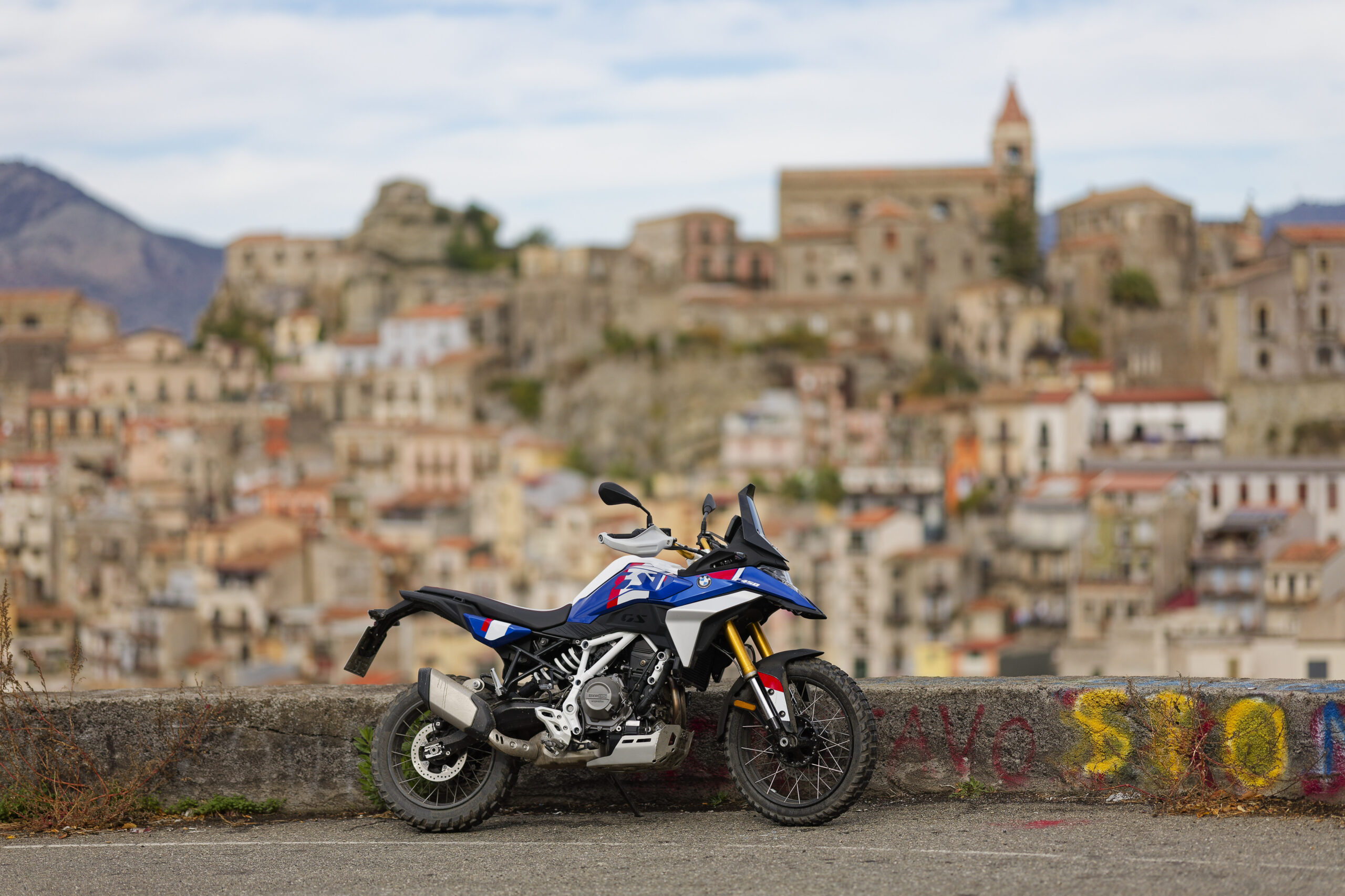
The first thing that stood out wasn’t the engine or the features — it was how unintimidating the bike felt. It carried proper GS proportions, just scaled down enough to feel approachable. The stance was tall, the handlebar wide, and the bodywork had that unmistakable GS identity. I liked most of it, too, barring one detail — the alloy wheels. They looked like they’d been lifted straight off the BMW G 310 GS, and on a motorcycle that otherwise felt so fresh, they stood out for the wrong reasons.
Out on the move, though, those thoughts faded quickly. The 450 GS felt light — properly light. At 178 kg kerb, the numbers already suggested that, but what impressed me more was how much lighter it felt once I got going. I’d just point it where I wanted to go, and it would comply without hesitation, without drama. Whether it was darting through tight lanes or setting up for a slide in the dirt, the bike responded like it was always one step ahead.
The engine played a big role in that confidence. It wasn’t explosive in the way some single-cylinder rivals can be, but it was quick — effortlessly so. There was always power when I needed it. With 80 per cent of its 4.42 kg-m of torque available from just 3000 rpm, it made everything easy. Want to break traction and go sideways? Done. Feel like lifting the front wheel over an obstacle — or just because the moment felt right? Also done. It had that accessible, usable performance that didn’t demand effort, just intent. There was a mild buzz past 5000 rpm, but nothing intrusive enough to take away from the experience.
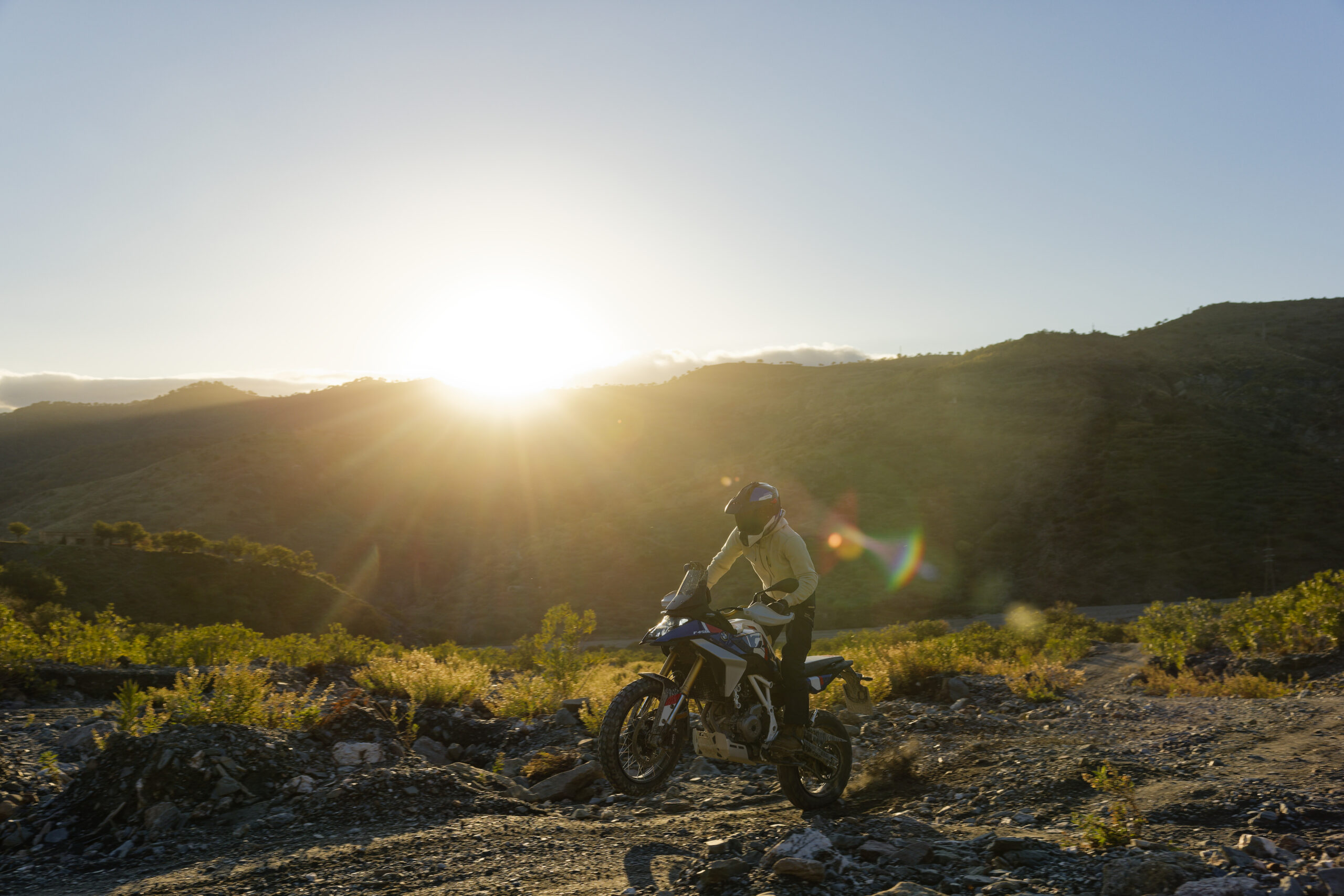
If the engine gave me the tools, the handling gave me the confidence to use them. This was, without a doubt, the highlight of my time with the bike. There was a moment that summed it up perfectly — I was mid-slide on a dusty stretch when I clipped a small rock. The front wheel popped up, the rear continued flinging a rooster tail of red dust, and for a brief second, it felt like things could get messy. But it didn’t. Correcting it took almost no effort. The bike settled, I carried on, and somewhere in that sequence, a rather cool photograph was probably taken.
That’s when it clicked. Whether it was Gelände or Straße, the 450 GS didn’t seem to favour one over the other — it just made both feel easy.
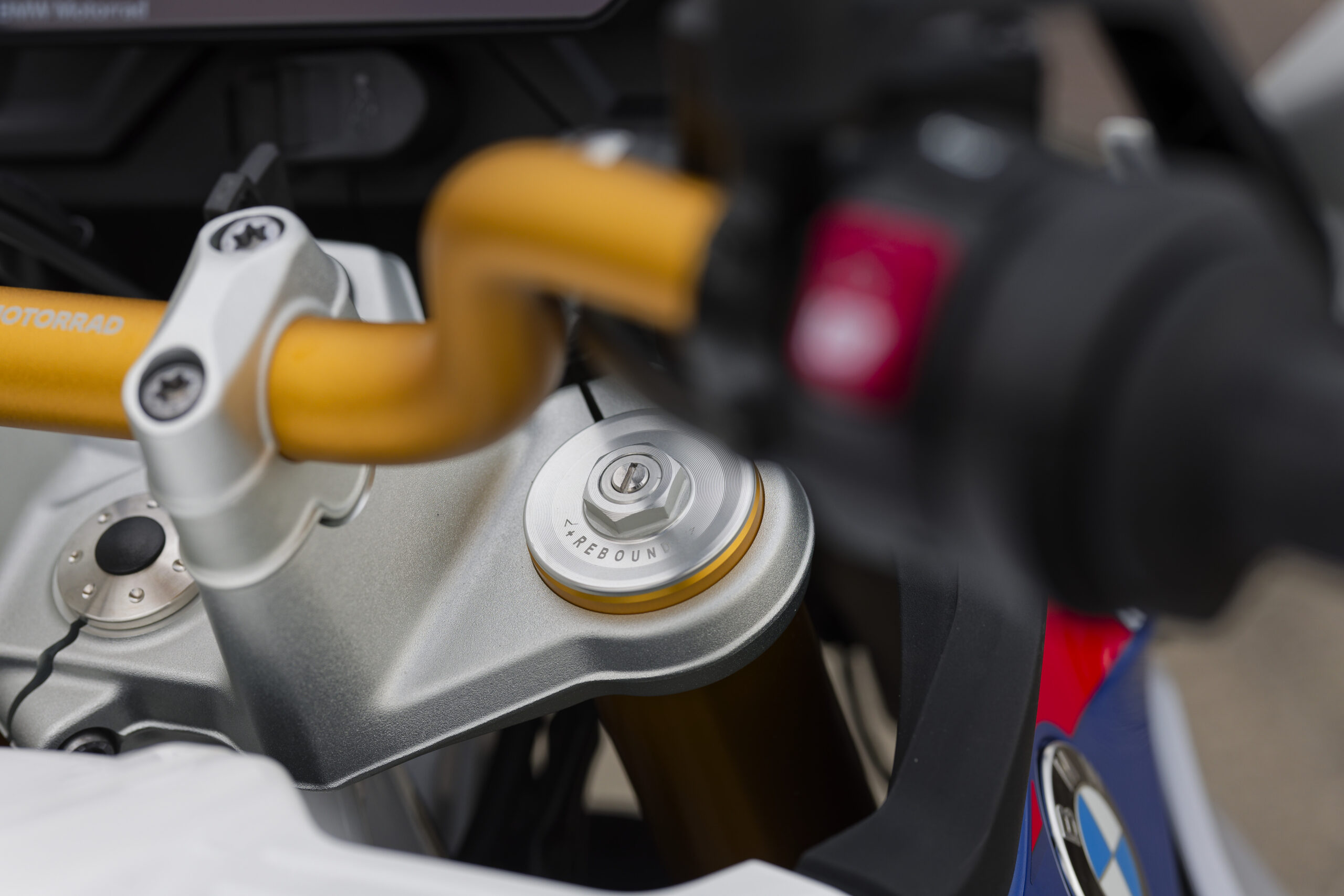
The suspension, however, added an interesting layer to that balance. It was adjustable, but set up on the firmer side compared to its single-cylinder rivals. On the road, that worked beautifully. The bike felt composed, controlled, and reassuring even when I pushed harder than I probably should have on unfamiliar tarmac. But off-road, it demanded a slightly different approach. To really enjoy it, I had to carry pace. Slow things down over broken surfaces, and it would remind me of its firmness. It wasn’t uncomfortable, but it wasn’t plush either. There was potential to tweak it but BMW’s decision to not make those adjustments tool-friendly meant I didn’t explore that further.
Grip, or the lack of it, turned out to be the bigger limitation. The Maxxis Maxxplore tyres were the Achilles’ heel here. On smooth tarmac, they were fine. Show them a bit of moisture or fine sand, though, and they started to feel out of their depth. Even under hard braking, I could feel the front wanting to give way, often saved only by the ABS stepping in. It was a pity, because the braking hardware itself was excellent. The Brembo setup had a strong initial bite and, more importantly, enough feedback to tell me exactly what was happening at the contact patch. With better tyres, the overall experience would have been significantly sharper.
Back on the road, the ergonomics tied everything together nicely. BMW has been doing this long enough to know what works, and it showed. The tall, wide handlebar offered plenty of leverage, making it easy to flick the bike through corners. Standing up off-road felt natural, and those dedicated grips near the tank made it easy to lock in with my legs. Even though my time with the bike wasn’t long enough to comment on long-distance comfort with authority, everything about the riding position suggested it would be more than up to the task.
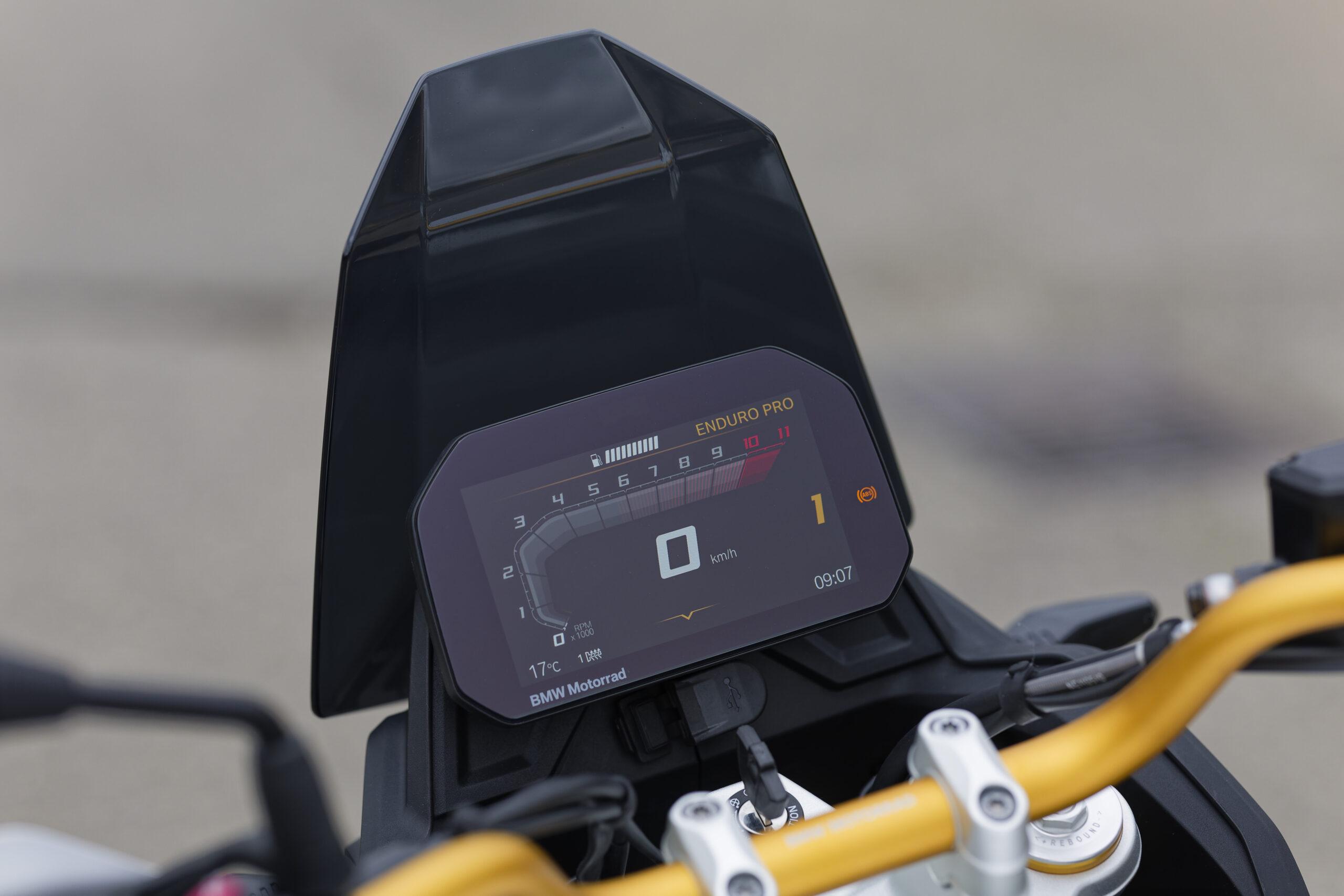
Then there was the tech, and here, the 450 GS felt every bit like a proper member of the family. The TFT display and switchgear felt like they’d come straight off the bigger GS models — intuitive, easy to navigate, and not something I had to think about while riding. The ride modes, too, were genuinely well executed. Enduro Pro stood out in particular. The traction control was tuned just right — it allowed enough slip to have fun, to get the rear moving, but stepped in before things got out of hand. It felt like a safety net that didn’t get in the way of the experience.
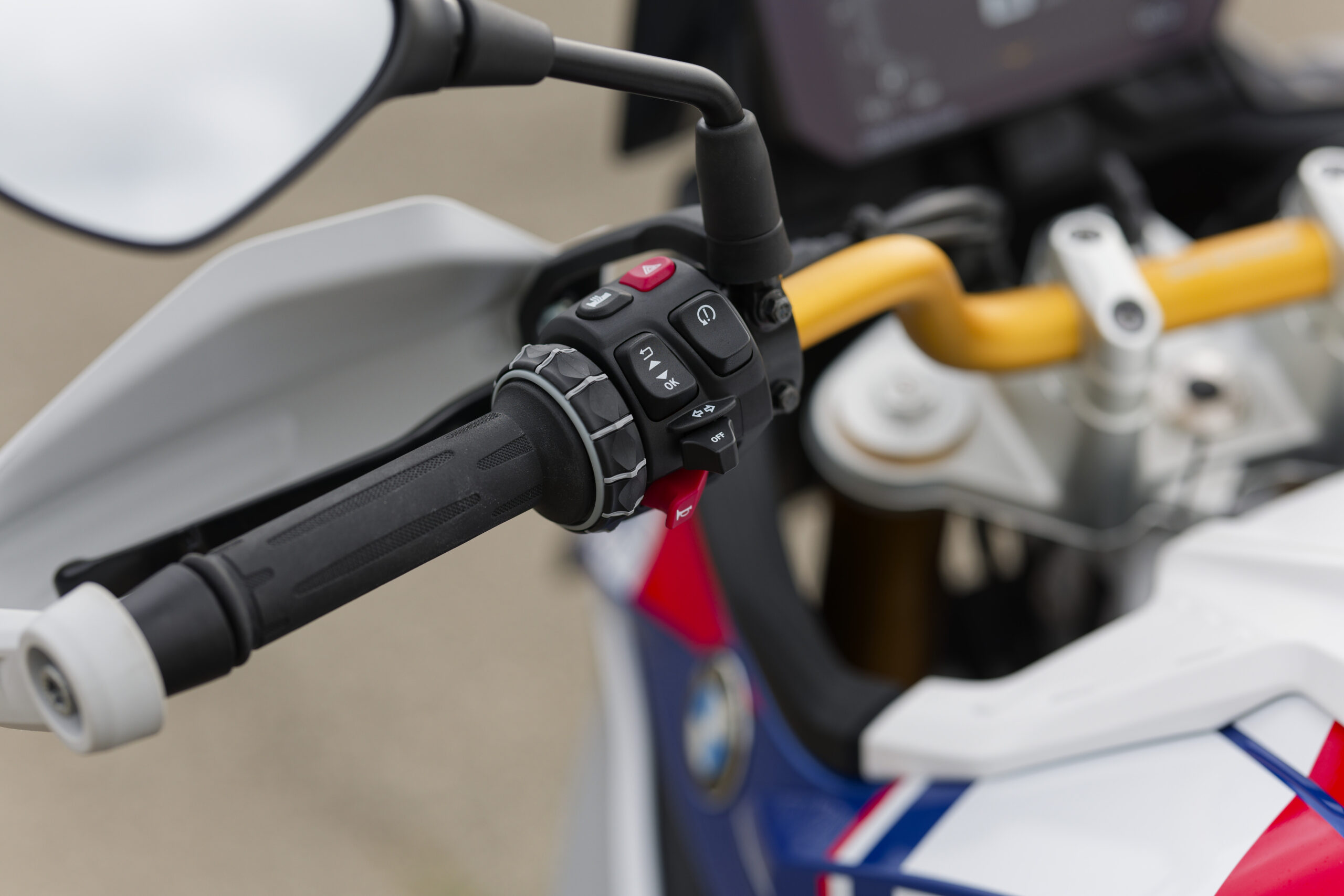
One feature I wasn’t entirely convinced about, though, was BMW’s Easy Ride Clutch (ERC). On paper, it sounded clever. In practice, it needed some getting used to. I only needed the clutch to slot it into first gear — after that, I could ride and shift without touching the lever. In traffic, it made life incredibly easy. I could crawl through congestion without worrying about clutch modulation. But it only worked above 2700 rpm, which meant low-speed manoeuvres like tight U-turns or tricky off-road sections required a different approach. I had to rely more on throttle control than I was used to. It wasn’t difficult, just different. There were a couple of practical drawbacks too — I couldn’t park the bike in gear because it would simply roll, and jump-starting it wasn’t an option. It was clever tech, no doubt, but I wasn’t entirely sold on whether it belonged here.
By the time I wrapped up the ride, the question I’d started with still lingered — had BMW managed to strike that Gelände/Straße balance?
The answer, I realised, wasn’t as complicated as I’d expected. The BMW F 450 GS didn’t try to dominate either side of that equation. It didn’t chase outright off-road aggression like some rivals, nor did it lean too heavily into road-biased comfort. Instead, it focused on making both ends of the spectrum accessible, predictable, and, above all, enjoyable.
It wasn’t perfect. The tyres held it back, the suspension needed a bit more thought for varied conditions, and the ERC felt like a feature that would need some assistance for it to be as useful as intended, and more . But the fundamentals — the engine, the handling, the ergonomics — were spot on. And that’s what mattered. Because at its core, a GS isn’t about being the best at one thing. It’s about being good at everything that matters. On that front, BMW seemed to have gotten it right.