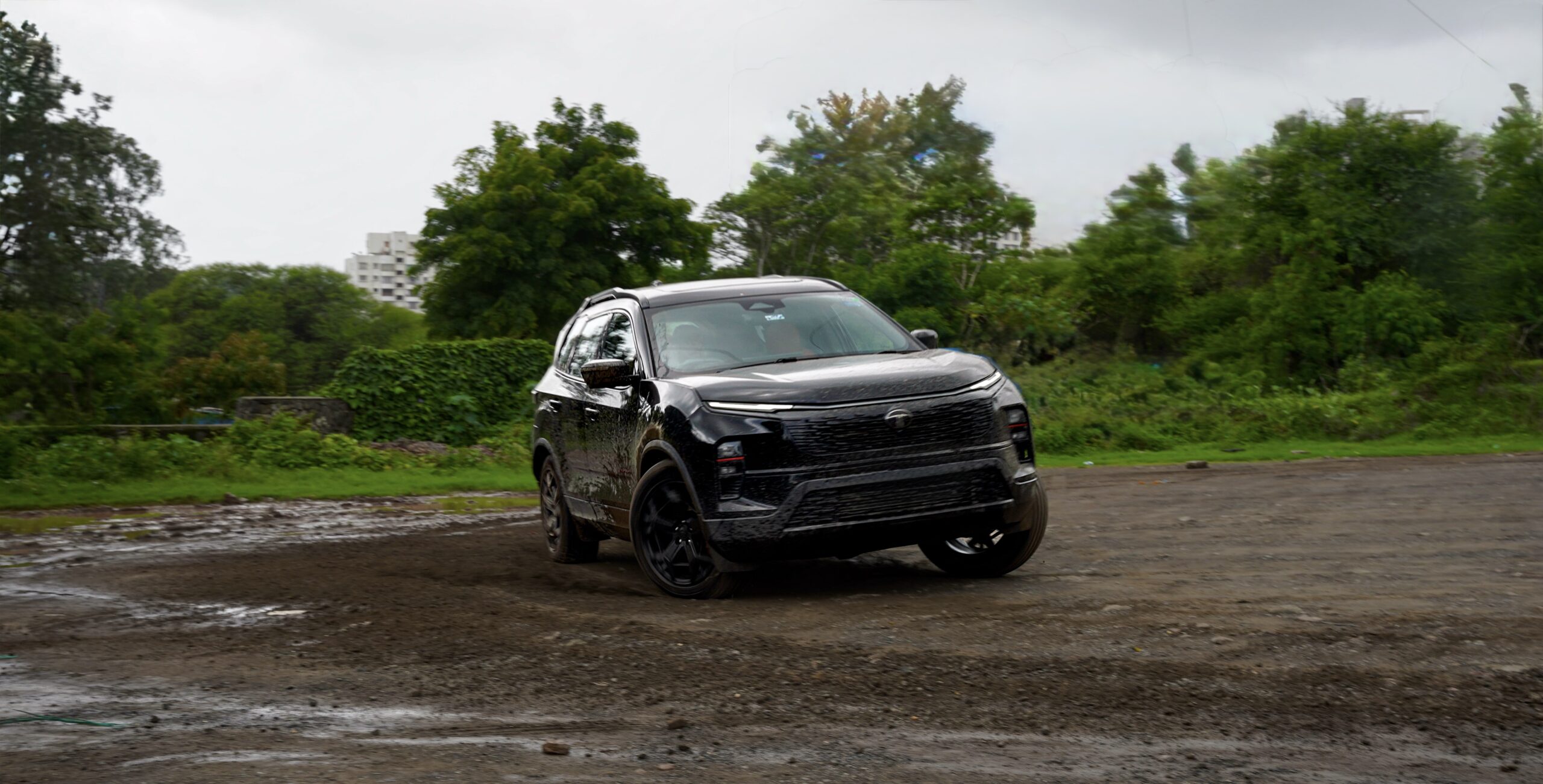



Choosing a flagship three-row SUV like the Tata Safari is often seen as a practical decision, but the choice between the diesel and petrol variants reveals two distinctly different personalities. While both versions produce the same 170 hp, they deliver that performance in very different ways, shaping the overall driving experience. The diesel remains the traditional long-distance workhorse that Safari buyers have come to expect, whereas the newer turbo-petrol transforms the SUV into a far more engaging and responsive machine. Ultimately, the decision comes down to whether you prioritise fuel efficiency and effortless highway cruising or a more spirited and enjoyable driving experience.

The Safari’s diesel variant is powered by the familiar 2.0-litre Kryotec turbo-diesel engine that produces 170 bhp and a substantial 35.69 kgm of torque. Crucially, that torque arrives low in the rev range, between 1,750 and 2,500 rpm, giving the SUV a strong, muscular character. The moment you press the accelerator, the diesel responds with a wave of low-end pulling power that makes the Safari feel effortlessly capable. Whether carrying seven passengers, a full load of luggage, or tackling steep inclines, the diesel rarely feels strained. Overtaking on highways requires minimal planning, as the engine’s generous torque allows it to surge forward without frequent downshifts. This relaxed and unflustered nature makes it an excellent companion for long-distance travel.
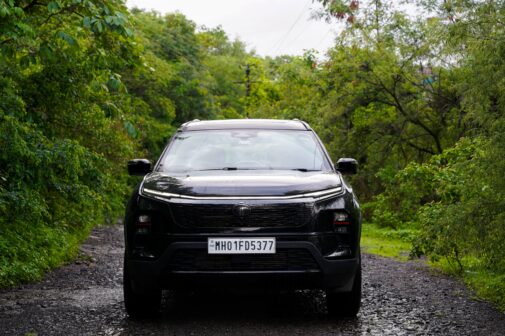
Fuel economy is another major strength of the diesel. On extended highway journeys, it consumes fuel sparingly, giving the Safari an impressive cruising range between refuelling stops. For buyers who routinely cover significant annual mileage, this translates into noticeably lower running costs over time. The diesel therefore continues to make a strong case for itself as the sensible choice for frequent travellers and high-mileage users.
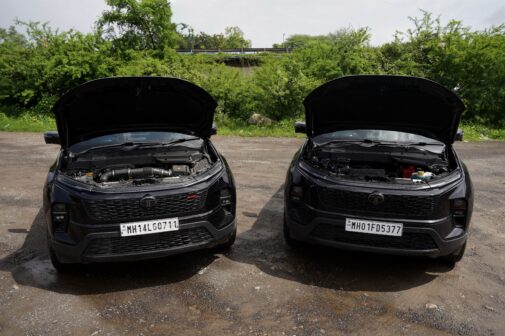
Switch to the 1.5-litre TGDi turbo-petrol engine, and the Safari takes on a very different character. Although it matches the diesel’s 170 hp output, it produces 280 Nm of torque and delivers its power in a more progressive and rev-happy manner. More importantly, the smaller petrol engine is lighter, reducing the weight over the front axle and fundamentally changing how the SUV feels on the road. The petrol Safari feels noticeably lighter on its feet, with steering that reacts more eagerly and a front end that turns into corners with greater enthusiasm. Despite being a large SUV measuring nearly 4.7 metres in length, it feels surprisingly agile and manageable in urban environments and on winding roads.
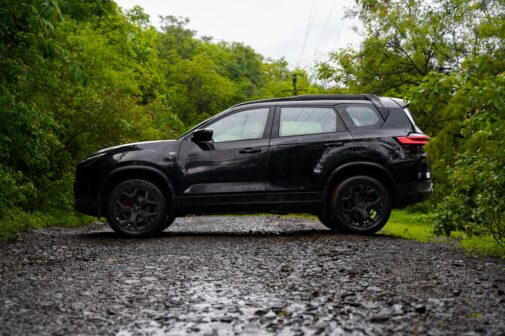
The petrol engine’s free-revving nature further enhances this sense of agility. Throttle response feels more immediate, and the power delivery is smoother and more linear across the rev range. In city traffic, the petrol variant feels particularly lively, responding quickly to inputs and making everyday driving more engaging. For drivers who value responsiveness and enjoy spending time behind the wheel, the petrol Safari offers a level of involvement that the diesel simply cannot replicate.
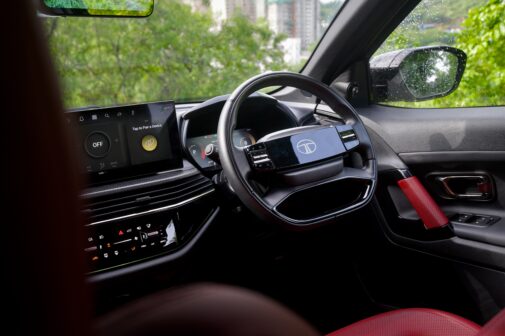
The differences between the two powertrains extend beyond acceleration and into the vehicle’s overall ride and handling characteristics. The diesel’s heavier engine gives the Safari a more planted feel at high speeds, contributing to a reassuring sense of stability on long highway journeys. It feels substantial and secure, flattening out undulations and highway dips with confidence. However, managing the additional weight over the front axle requires slightly firmer suspension tuning, which can make sharp potholes and broken surfaces feel more pronounced at lower speeds.
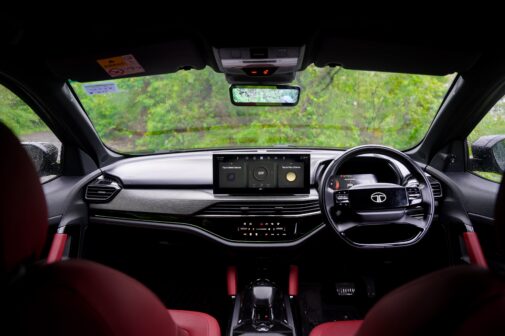
The petrol variant benefits from its lighter front end in several ways. Around town, it delivers a slightly more supple ride quality, absorbing imperfections with less harshness and transmitting fewer impacts through the steering wheel. The reduced mass also improves chassis balance, allowing the SUV to corner with less inertia and a greater sense of composure. As a result, the petrol feels more playful and agile, offering a driving experience that is unexpectedly enjoyable for a vehicle of its size.
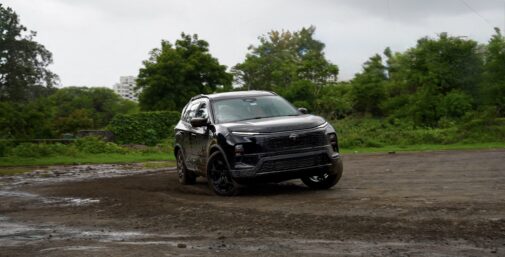
Refinement is another area where the two engines differ significantly. The diesel is a proven and durable powerplant, but it cannot completely hide its commercial-vehicle roots. A characteristic diesel hum is always present at idle, and under hard acceleration the engine becomes noticeably vocal, producing a distinct growl as revs climb. While it settles down nicely during steady highway cruising, it never achieves the level of quietness associated with a modern petrol engine.
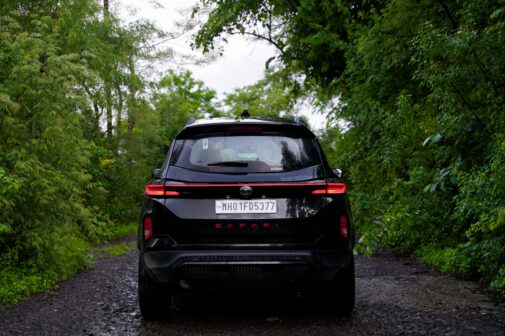
The turbo-petrol, by contrast, delivers a much more refined experience. It starts almost silently and remains impressively smooth throughout normal driving conditions. The absence of diesel clatter contributes to a noticeably quieter cabin, particularly during stop-and-go urban driving. This enhanced refinement creates a more relaxed atmosphere for passengers in all three rows and adds a premium touch to the overall ownership experience.
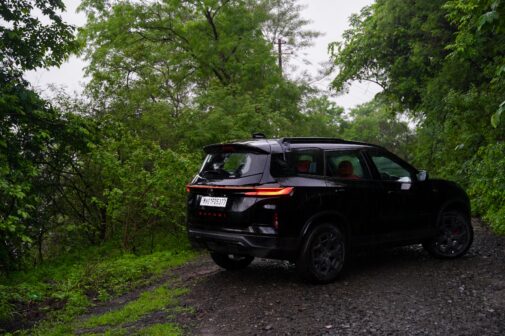
In the end, the choice between the Tata Safari diesel and petrol is less about outright performance and more about matching the vehicle to your driving habits. Buyers who regularly travel long distances, cover upwards of 15,000 to 20,000 kilometres annually, or frequently drive with a full complement of passengers will find the diesel’s combination of strong low-end torque and superior fuel efficiency difficult to ignore. It remains the logical and economical choice for serious highway users. The petrol, however, appeals to a different audience. For those whose driving is primarily urban, mixed-use, or moderate in distance, it offers a lighter, quieter, more responsive, and ultimately more enjoyable driving experience. It may sacrifice some fuel economy, but it rewards the driver with a level of agility and refinement that makes every journey feel a little more special. In that sense, the diesel is the sensible cruiser, while the petrol emerges as the spirited performer.