

We’ve heard it over the past decade. Somewhere along the way, the SUV became the answer to almost every question we asked of a car. Need more space? SUV. Want better road presence? SUV. Want to clear an enthusiastic speed breaker? SUV. Want to feel like you’re commanding an aircraft carrier on the way to buy milk? Also SUV.
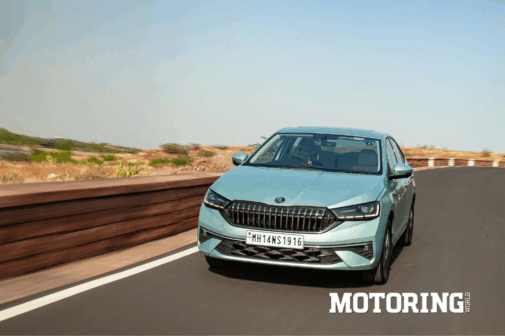
A handful of manufacturers have stubbornly refused to give up on the humble three-box, and Škoda is one of them. For years, it has continued to believe there is something wonderful about a sedan. It has built premium and performance sedans alongside accessible family cars, while much of the industry has been turning everything from hatchbacks to coupés into SUVs. The Slavia is perhaps the clearest example of that faith.
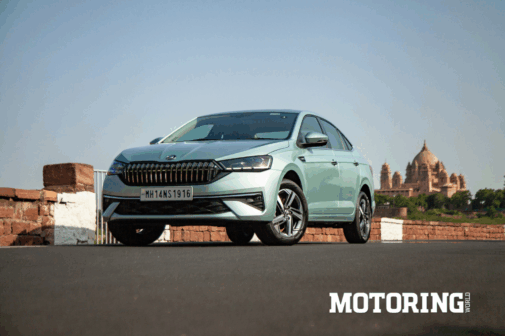
Introduced in 2021 and built on the Škoda Volkswagen MQB-A0-IN platform, the Slavia quickly found an interesting sweet spot in the Indian market. It appealed to enthusiasts who wanted something enjoyable to drive, while making plenty of sense to families looking for a comfortable, spacious and well-equipped car. For a while, it was one of the easiest sedans to recommend under ₹20 lakh. But time waits for no car, and even the Slavia had begun to show its age.
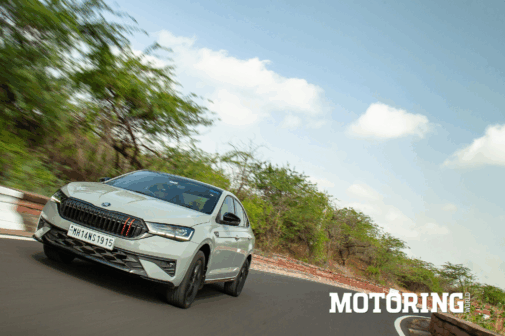
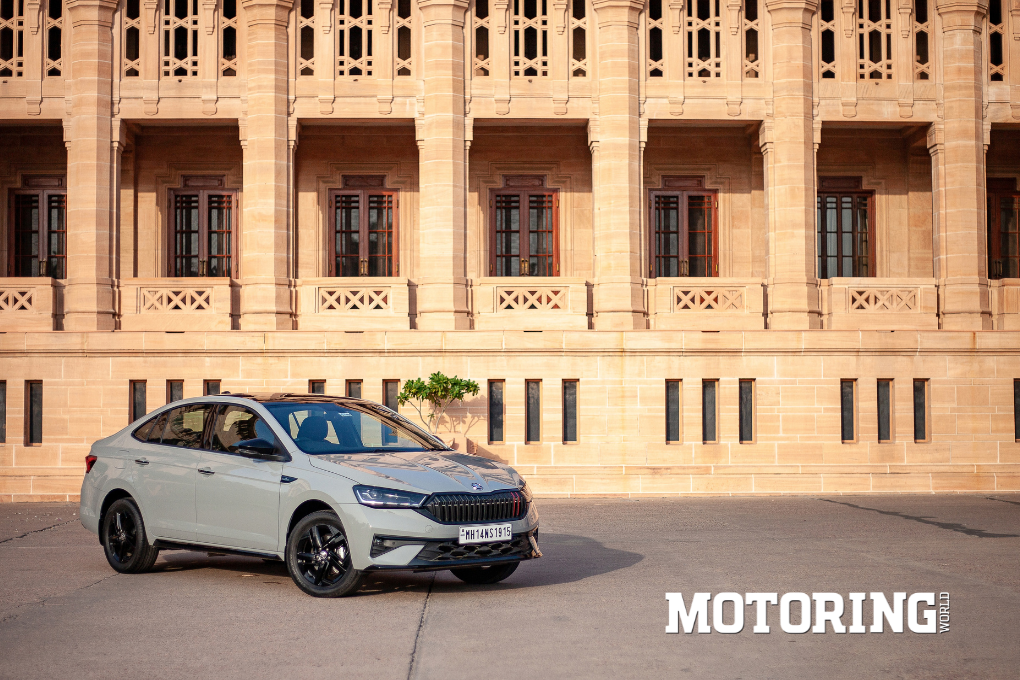
Enter 2026, and Škoda has given its sedan a facelift. It hasn’t reinvented the car. Instead, the changes concentrate on the details: a refreshed design, updated technology and some useful new equipment. The result is a Slavia that feels more current without losing the qualities that made it good.
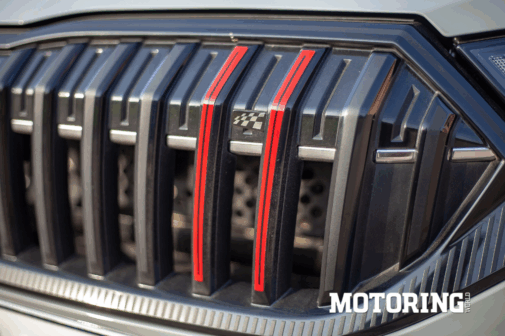
Both bumpers have been revised and are now sharper and more angular. The grille has also been redesigned, bringing the Slavia visually closer to the newer Kushaq and Kodiaq. A chrome strip runs across the grille and visually mimics an LED DRL, before flowing into the DRLs inside the headlamps. It looks smart, although I would have preferred an actual LED strip. If you’re going to tease me with one, Škoda, I would like the real thing.
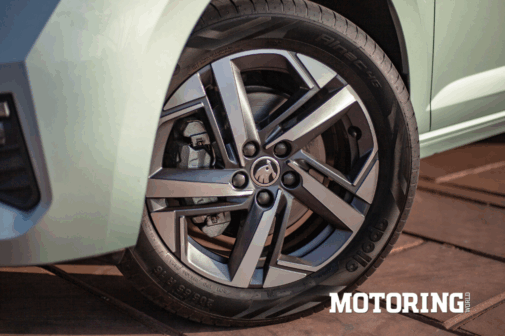
The wheels are new too, and on the Monte Carlo, finished in black, they look particularly good. At the rear, a black garnish runs across the boot with the Škoda lettering, accompanied by refreshed tail lamps. None of these changes are dramatic, but together they make the Slavia look younger.
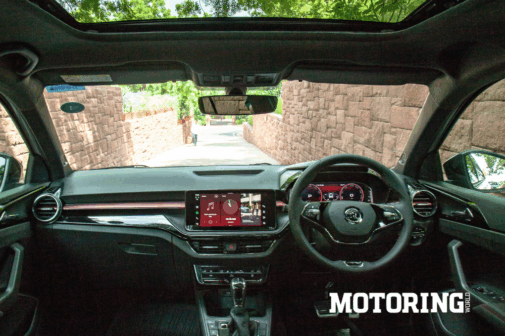
Inside, the approach is similar. The upholstery gets new colour combinations, while the Monte Carlo uses red perforations against an otherwise black cabin. The infotainment screen remains the same size, but the hardware and software underneath have been updated. It now feels quicker and smoother, with considerably less of the sensation that you’re waiting for the internet to arrive from 2008. The biggest visual change is the driver display. It feels considerably more premium, with graphics that bring the Kodiaq to mind. The fonts are clean, the information is easy to read and the layout is well considered.
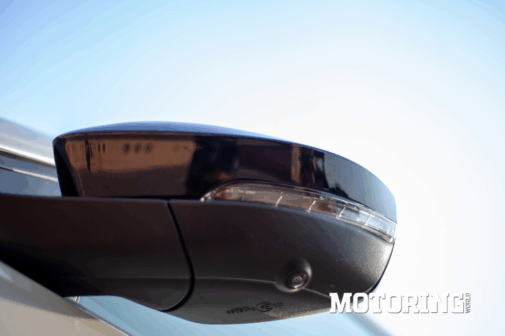
The Slavia has gained useful equipment too. A 360-degree camera is now part of the package, and it is exactly the sort of feature you appreciate when trying to squeeze a fairly large sedan into a parking spot designed by someone who clearly hates cars. Front parking sensors are now included as well, and they are particularly useful given the Slavia’s long nose. These aren’t headline-grabbing additions, but they are the sort of things you notice every day.
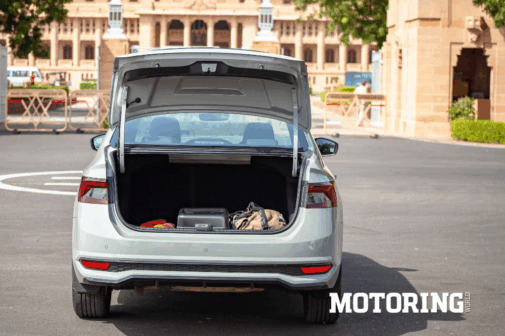
In a world where SUVs constantly remind us about practicality, the Slavia quietly walks into the room, opens its boot and asks, ‘Is that all you’ve got?’ There is enough space here for a serious amount of luggage, probably enough to make you question whether you needed that SUV after all. It is a useful reminder that practicality doesn’t automatically require a high-riding body style.
Move into the second row and the Slavia continues to make its case. At 6’1”, with the driver’s seat set to my position, I still had enough legroom to sit comfortably behind myself. There is plenty of space for two adults, although three across the back would be less family road trip and more experiment in human compression.
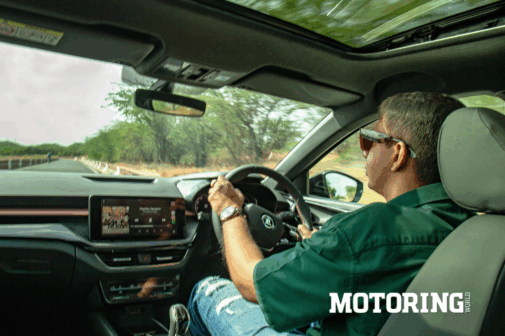
There are rear AC vents, two Type-C charging ports and even seat massage. Yes, massage. It actually works quite well, although given the climate in this country, I would happily trade the massage function for ventilated rear seats. Keeping your backside cool is more useful than giving it a spa day.
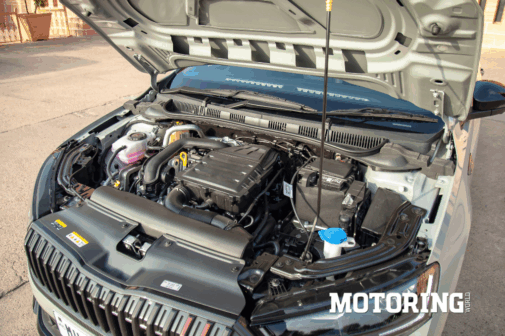
But if there is one thing the Slavia has always done particularly well, it is driving. The 1.0-litre turbo-petrol continues to be offered with a manual gearbox, but the big news is the new eight-speed torque converter automatic. It replaces the six-speed unit and is a significant improvement in the way it goes about its business. The ratios are closer together, allowing the gearbox to reach higher gears sooner, which should help both cruising ability and fuel efficiency. In everyday driving, the gearbox is smooth and the combination works well in the city. Fuel efficiency, however, isn’t revolutionary. We were seeing around 7-9 kpl, which isn’t particularly impressive. It is adequate, but certainly not the sort of number that will have you sending screenshots of your MID to your friends.
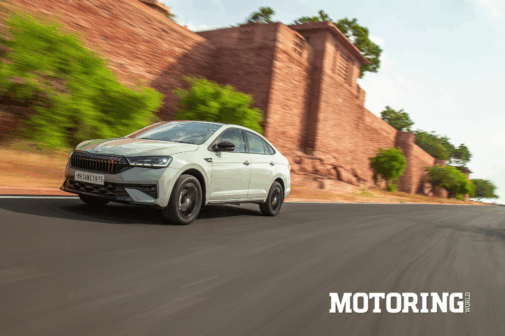
The chassis remains one of the reasons the Slavia works so well. The steering has enough weight to make the car feel planted without becoming tiring in town, and there is a pleasing sense of connection when you start carrying more speed through a corner. The ride also continues to suit Indian roads, soaking up the sort of broken surfaces that can make a stiffer car feel busy. It is easy to settle into a rhythm, whether you are threading through Jodhpur traffic or finding an open stretch outside town.
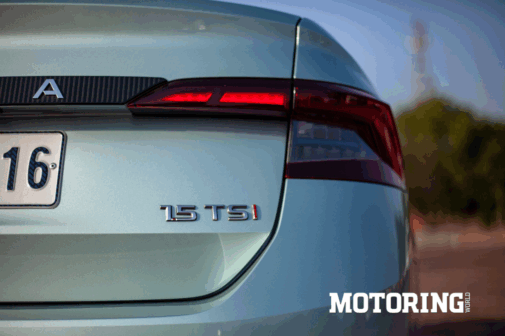
The 1.5-litre makes the most of that chassis. Give it a clear road and it builds speed quickly, while the DSG keeps the engine in the useful part of its rev range. It feels effortless rather than frantic, which is exactly what you want from a fast family sedan. The 1.0-litre is less exciting, but its lighter character works well in traffic and it still has enough punch for highway overtakes. It also feels easier to place on narrower roads, which suits the everyday role of the car rather well. That balance matters more than the numbers suggest. It is a useful quality when the road gets unexpectedly very tight.
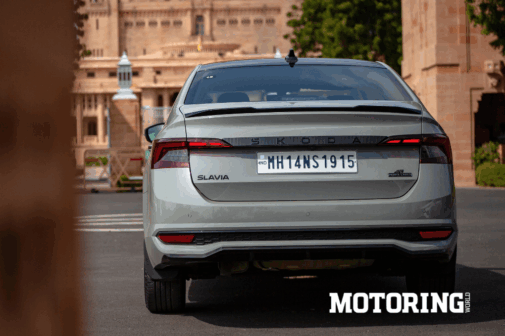
When you get into the 1.5-litre TSI with the DSG, the entire personality of the Slavia changes. The engine is quicker, punchier and feels almost perfectly suited to the car. Power delivery remains as meaty as we remember, while the DSG shifts with the speed you expect from a dual-clutch gearbox. Yes, it can get a little lurchy at low speeds, especially when crawling through traffic. I’m willing to forgive that when the gearbox behaves this brilliantly once you get moving. Interestingly, the 1.5-litre also proved more efficient during our time in Jodhpur. We were seeing between 10-12 kpl in the city, a useful reminder that downsizing an engine doesn’t automatically guarantee better fuel efficiency. If I had the choice, I would take the 1.5-litre DSG. It has the performance and character that make the Slavia feel special. If your life revolves around commuting, family duties and the occasional weekend escape, though, the 1.0-litre is more than enough.
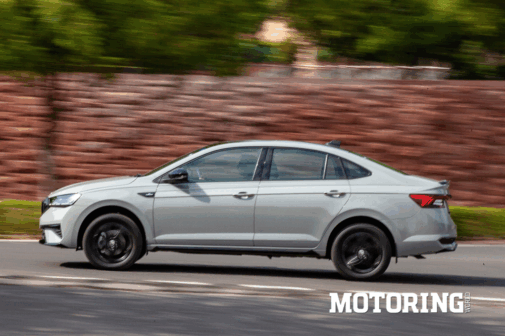
The automotive world has spent the last decade convincing us that sedans are yesterday’s news. The market has responded with SUVs in almost every shape and size. Škoda, meanwhile, has stayed the course. The Slavia hasn’t tried to become an SUV. It hasn’t been given plastic cladding or taller suspension simply to chase a trend. Škoda has taken the sedan it already had, listened to what people wanted, improved the technology, sharpened the design and made the experience better, and I’m rather glad about that.