

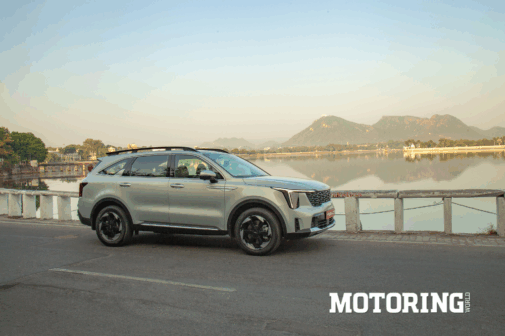
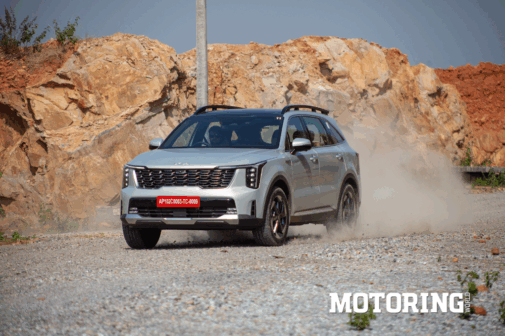
The first surprise with the Kia Sorento is how small it feels from the driver’s seat. This is a 4815 mm-long, 1900 mm-wide SUV, yet from behind the wheel it feels more like an estate. The upright bonnet, large windows and well-positioned mirrors make it easy to place on the road. The driving position isn’t particularly commanding, so you don’t get that big-SUV, king-of-the-road feeling either. For a car this large, that is no bad thing.
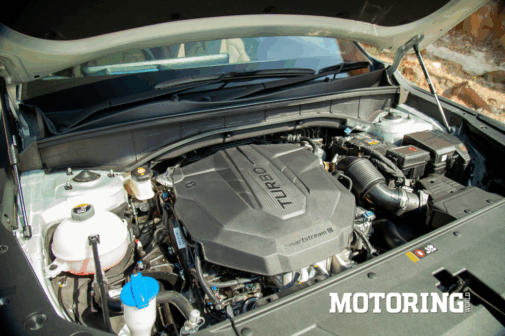
We drove the 2.2-litre turbo-diesel, which makes 190 bhp and 442 Nm, and it feels surprisingly sprightly. There’s plenty of low-end punch, followed by a strong mid-range, so you can ride the torque and make quick progress without working the engine hard. It builds speed smoothly, settles into triple-digit cruising without fuss and has enough grunt for high-speed overtakes.
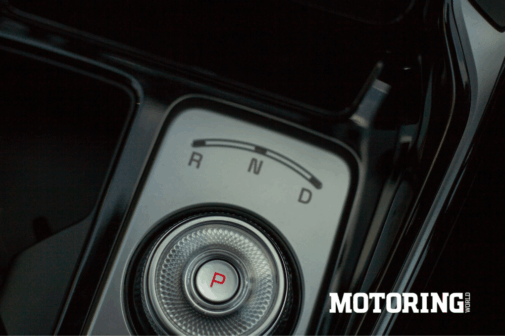
The eight-speed DCT suits it well. It is quick and smooth, while the full-time AWD system sends power to all four wheels with plenty of grip and little drama. There are Normal, Eco, Sport and Smart drive modes, along with Sand, Snow and Mud terrain modes. We didn’t get to try the terrain modes, but the four drive modes make noticeable changes. Throttle response and steering become sharper as you work towards Sport.
Even there, though, the steering feels too light. The brakes also lack initial bite, with the car only really starting to slow halfway through the pedal travel. That is a shame because the engine and chassis encourage you to push harder. The Sorento can be driven quickly without much effort, but it doesn’t become especially rewarding when you do.
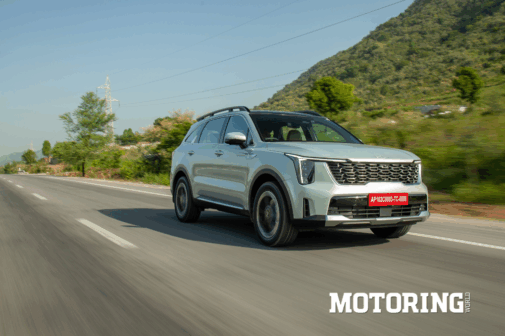
The suspension was perhaps the biggest surprise. On smooth roads, it feels composed, controls body roll well and deals neatly with undulations. It also has enough suppleness to absorb the smaller ripples and crevices that Indian roads throw at you. When the road starts falling apart, things change. The suspension begins to shake you around a bit, particularly those in the second row. The ride becomes a tad unsettled, and slowing down is the easiest way to restore some composure.
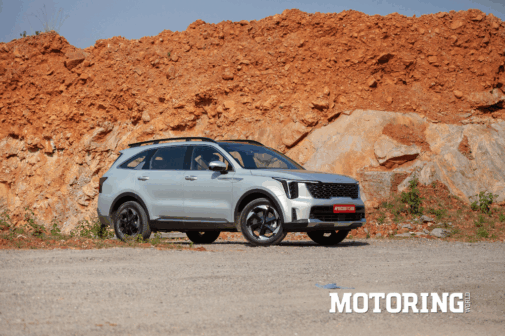
The Sorento isn’t going to be the choice for someone looking for a sporty SUV. That is fine, because its strengths lie elsewhere. It is large without feeling cumbersome, easy to drive and blessed with the sort of effortless diesel shove that makes long-distance travel simple. There’s also a 1.6-litre turbo-petrol strong-hybrid, which we couldn’t sample because of time constraints. On paper, it looks interesting and could give the Sorento a smoother, quieter character around town. There is clearly more to the car than what we experienced with the diesel.
This is where the Sorento gets interesting in the Indian market. Technically, its most obvious competition is the Toyota Fortuner, but nothing is going to knock the Fortuner off its perch. Toyota has built an extraordinary level of familiarity and trust around that nameplate, and the Sorento is unlikely to dislodge it simply by arriving with more equipment and a more car-like driving experience. Its battle is really about offering an alternative to the established idea of what a big family SUV should be.
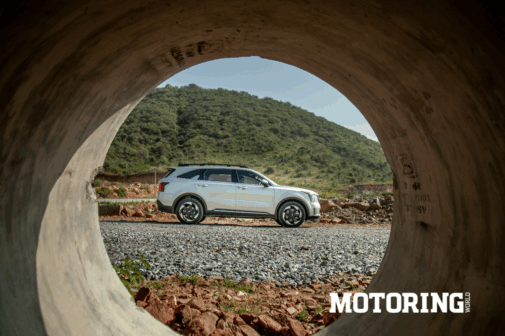
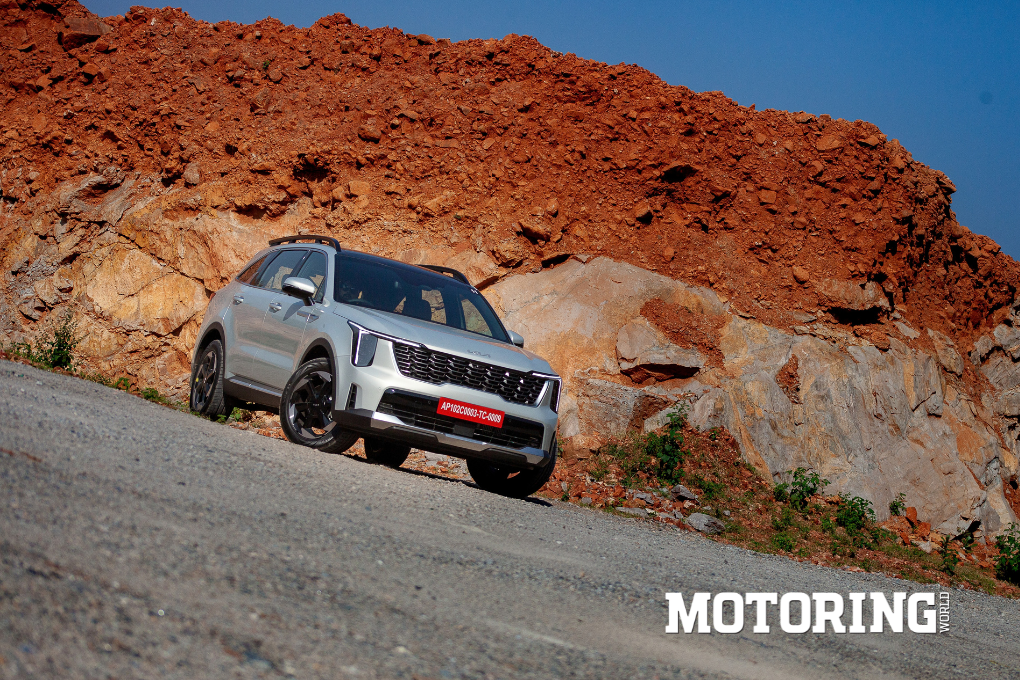
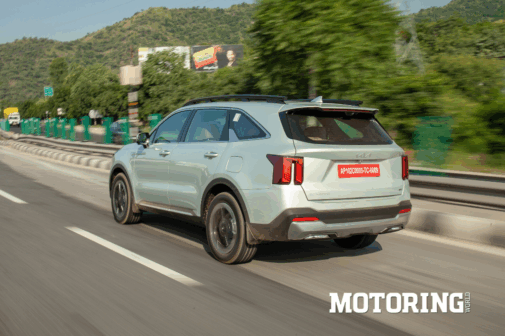
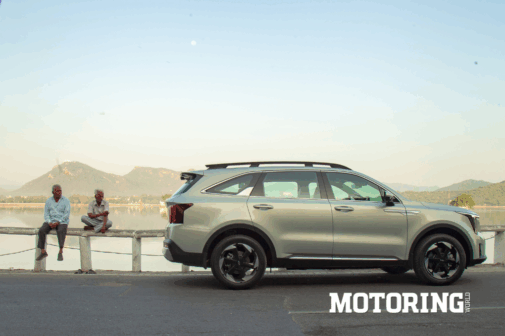
The Sorento is a much bigger car than pictures suggest. At 4815 mm long and 1900 mm wide, it’s the longest and widest car in its class, while its 1785 mm height would also have been class-leading if the ladder-frame Fortuner weren’t taller. Its 2815 mm wheelbase is also the longest in the segment, which frees up plenty of space inside. The facelift was unveiled globally in 2023 and brought a major styling overhaul. Up front, there are vertically stacked LED headlights and a split grille, with the upper section featuring Kia’s ‘Digital Tiger Face’ and the lower section housing the LED fog lights and ADAS radar. The DRLs flow into the grille, while black cladding runs around the body and silver skid plates sit at either end.
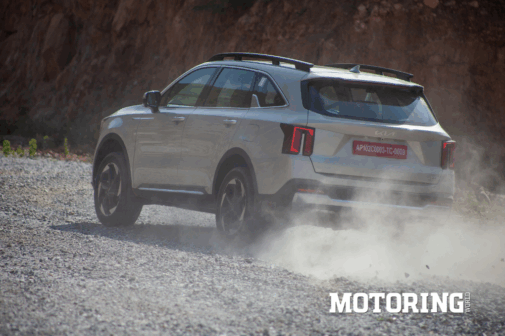
Strong character lines give the Sorento a chunky stance in profile, while higher variants get 19-inch alloys with a particularly cool design. Around the back, there’s a neat spoiler that hides the wiper, twin reverse lights mounted low down and inverted U-shaped LED tail-lights. It is a good-looking SUV, although the design does feel familiar. There’s plenty of Kia DNA here, with several elements shared with its smaller and larger siblings. That gives it a cohesive look, even if it doesn’t have quite the visual drama of some rivals.
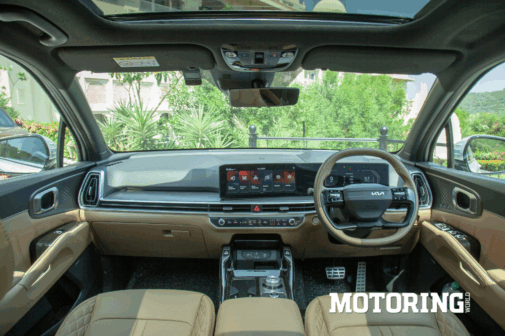
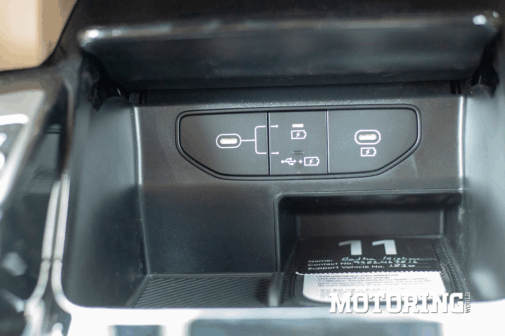
Inside, the familiarity continues. The Sorento gets dual 12.3-inch screens for the infotainment system and digital instrument cluster, along with an enormous equipment list. There’s wireless connectivity, wireless charging, Type-C ports across all three rows, a 12-speaker Bose audio system, head-up display, ventilated seats in the first and second rows, 64-colour ambient lighting, a 360-degree camera, 10-way powered front seats with memory, rear sunblinds, paddle shifters, an electronic parking brake with auto-hold and an electric tailgate.
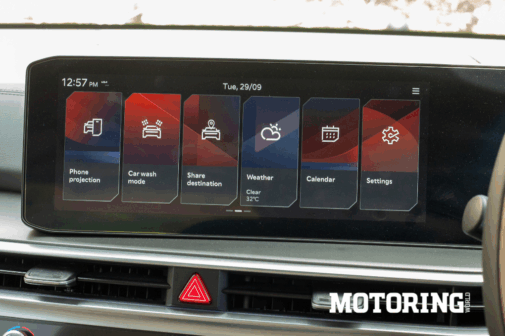
Then there’s Level 2+ ADAS, along with 10 airbags, 12 parking sensors and five radars. Segment-first features include a digital inside rear-view mirror, four-way Boss Mode and Relaxation Mode for the front passenger seat, front and rear dash cameras as standard, Remote Parking Assist, Navigation-based Cruise Control, an Ergo Motion driver’s seat and an adaptive AI assistant developed by Perplexity. The Sorento is also the first car to roll out Kia’s Connected Car Navigation Cockpit, or CCNC. It brings a digital key, ECU controller updates, OTA updates, remote vehicle immobilisation and connected services, including Disney, Pixar and Marvel themes for the infotainment.
Kia has thrown a lot at this car, but the impressive part is that it doesn’t bombard you with all of it. The technology is well-integrated and easy to use, while the cabin feels properly put together. High-quality plastics, soft-touch materials and tactile metal switches give it a solid, premium feel. Depending on the variant, the interior is available in black and white or black and beige, with leatherette upholstery.
The big glasshouse makes the cabin airy, and the Sorento’s dimensions translate into plenty of space for those in the first two rows. The third row is a different story. This is more of a 4+2 or 5+2 arrangement, with the rearmost seats best suited to children. The seat is quite flat, under-thigh support is limited and the backrest is almost upright without any recline. Kia has at least made sure those seats don’t feel forgotten. There are dedicated air-con blower controls, USB ports and cup holders, along with buttons that allow the second-row seats to be folded forward from the boot. It isn’t the most accommodating third row, but it is properly equipped.
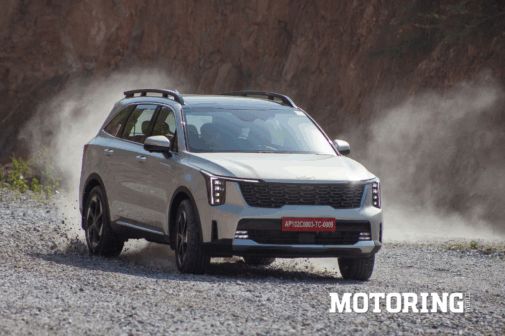
The dimensions become less intimidating once you are moving. The steering is light, visibility is good and the AWD system gives you enough confidence to use the diesel’s torque without constantly thinking about the mass you are asking the tyres to manage. It suits the long highway journeys for which these SUVs are often bought. You can settle into a cruise, leave the gearbox to itself and let the engine do the work.
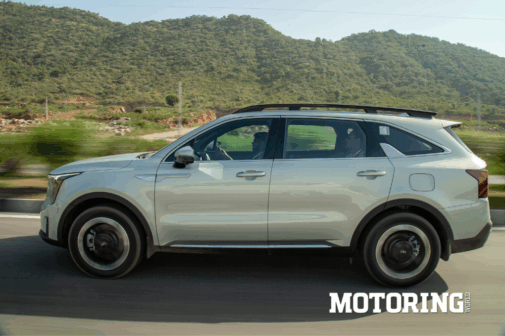
That ease extends to the cabin. The second row has the space you would expect from a vehicle with this wheelbase, and wide opening doors make getting in and out simple. The first two rows are where the Sorento feels most convincing. Load it with adults, luggage and all the clutter that comes with a holiday, and there is little sense the car is being asked to do too much. The third row remains the compromise, but at least Kia has equipped it properly rather than treating it as somewhere to put the occasional emergency passenger.
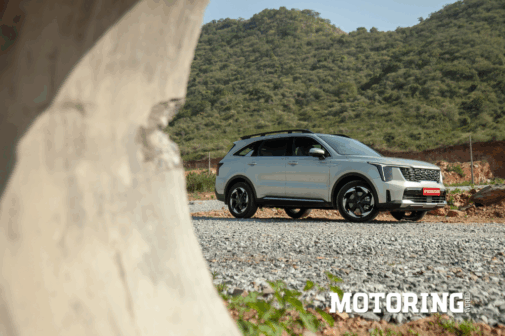
At Rs 27.99 lakh to Rs 40.39 lakh, ex-showroom, the Sorento sits between the Jeep Meridian, which starts at Rs 23.33 lakh, and the Skoda Kodiaq and Volkswagen Tayron, which start at Rs 36.99 lakh and Rs 41.99 lakh respectively. It isn’t the cheapest option, but there’s a lot of SUV here for the money, particularly when you consider the space, equipment, six- and seven-seat layouts and choice of diesel and turbo-petrol strong-hybrid powertrains.
The Sorento isn’t going to replace the Fortuner, nor does it need to. What it offers is a different interpretation of the big family SUV: more car-like from behind the wheel, packed with technology and capable of covering long distances without making a fuss. For buyers looking beyond the established Toyota formula, that makes the Sorento an interesting alternative.