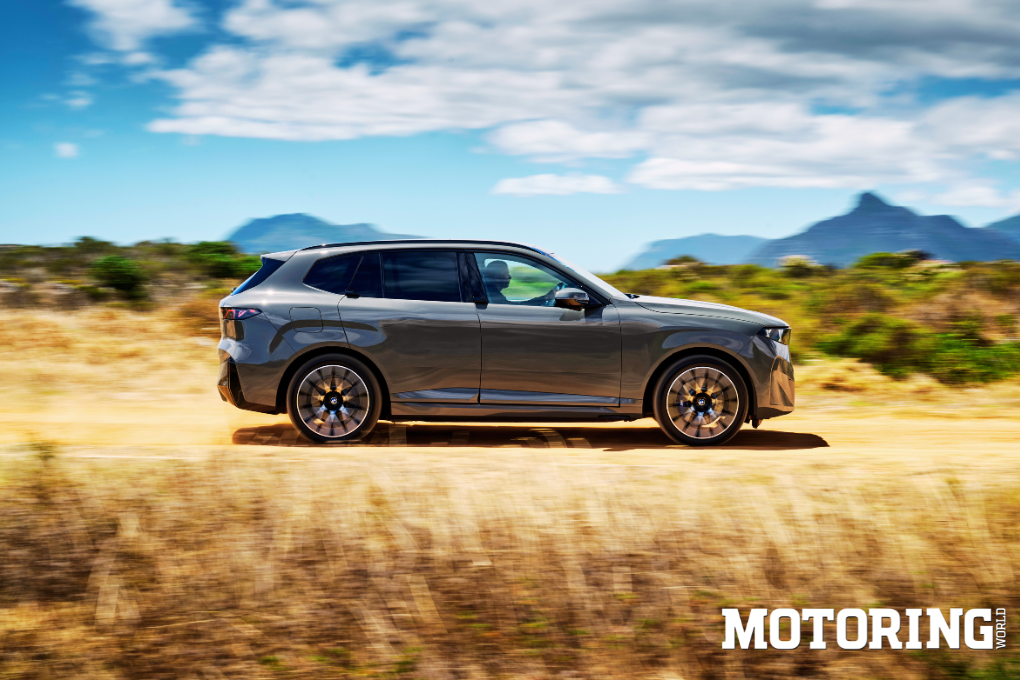


BMW has pulled the wraps off the fifth-generation X5, and this is arguably the biggest leap the luxury SUV has taken since the original debuted in 1999. The new model not only introduces a fresh design inspired by the Neue Klasse philosophy, but also becomes the first BMW to offer five distinct powertrain options, including petrol, diesel, plug-in hybrid, fully electric and, eventually, hydrogen.
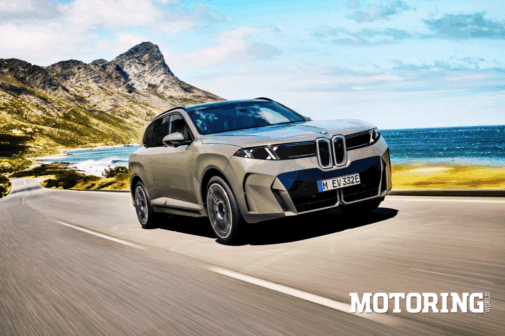
Leading the headlines is the all-new BMW iX5 60 xDrive, marking the arrival of the X5 as a fully electric SUV for the first time. It is powered by BMW’s sixth-generation eDrive technology, producing 570 BHP and 82.1 kgm from dual electric motors. A 141 kWh battery delivers a claimed WLTP range of up to 845 km, while support for 800V architecture allows charging speeds of up to 460 kW. BMW claims the iX5 can sprint from 0 to 100 km/h in 4.6 seconds before reaching a top speed of 210 kmph.
Alongside the EV sits a familiar range of combustion-powered models. The X5 40 xDrive uses a 3.0-litre straight-six petrol engine paired with 48V mild hybrid assistance to produce 394 BHP, while the diesel-powered X5 40d xDrive develops 308 BHP and 68.3 kgm. Both variants continue with BMW’s eight-speed Steptronic transmission and xDrive all-wheel drive.
Buyers looking for electrified performance without going fully electric can choose between two plug-in hybrid variants. The X5 50e xDrive combines a 3.0-litre turbocharged straight-six with an electric motor for a total system output of 482 BHP and 71.4 kgm. It offers an electric-only range of up to 102 km under the WLTP cycle. Sitting above it is the new X5 M60e xDrive, which pushes outputs to 604 BHP and 81.6 kgm while cutting the 0 to 100 kmph sprint to just 4.5 seconds.
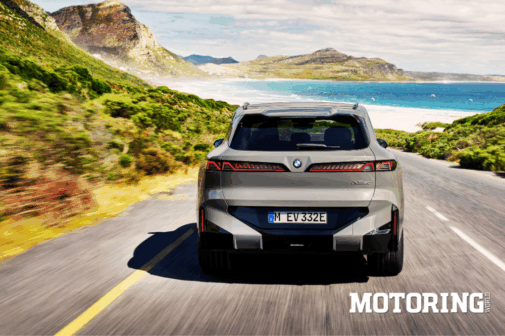
BMW also confirmed that an iX5 Hydrogen will join the line-up at a later stage. Powered by a third-generation fuel cell system and new flat hydrogen storage technology, the company claims a driving range of up to 750 km. It will become BMW’s first hydrogen-powered production model when it reaches the market.
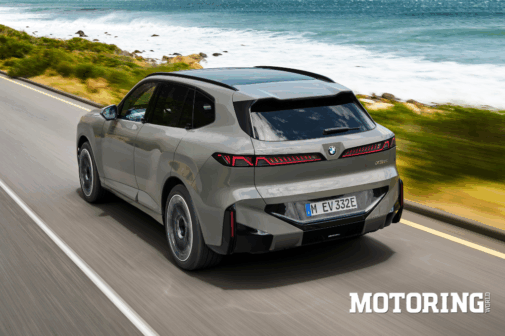
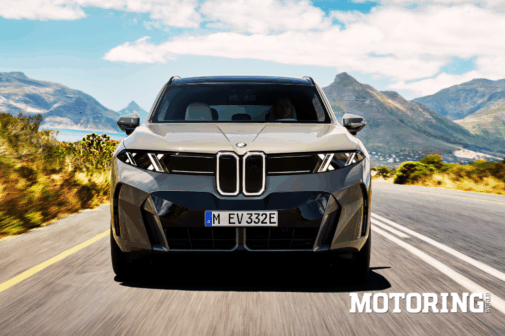
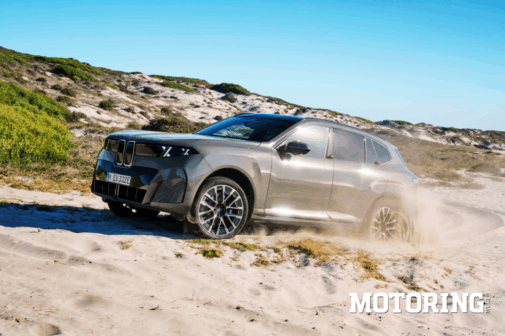
Visually, the new X5 adopts a much cleaner and more upright appearance. BMW has retained the familiar SUV proportions but paired them with sharper surfaces, flush-fitting Winglet door handles and a redesigned illuminated kidney grille. New double-X lighting signatures feature at both ends, while buyers can specify wheel sizes of up to 23 inches for the first time on an X5.
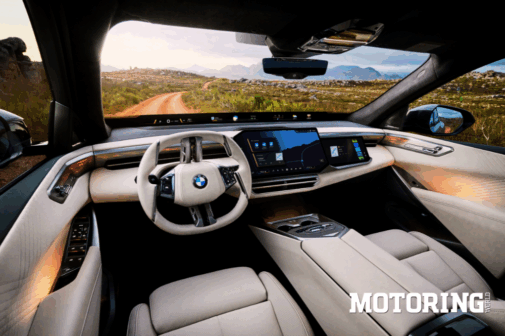
Step inside and it is clear BMW has borrowed heavily from the Neue Klasse playbook. The dashboard is centred around the new Panoramic iDrive interface running BMW Operating System X, featuring a full-width Panoramic Vision display across the windscreen, a free-standing central touchscreen and an optional passenger display. BMW has also introduced decorative slate trim, crystal glass controls and redesigned ambient lighting to give the cabin a more premium feel.
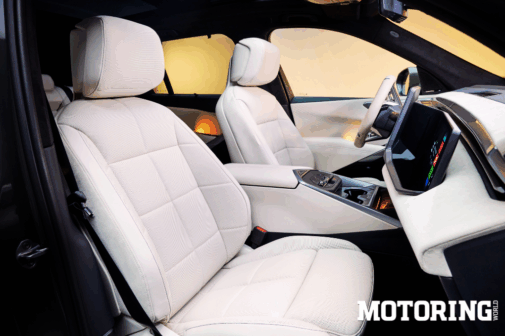
Comfort has also moved up a notch. Sports seats are now standard, while buyers can opt for multifunction seats with ventilation and massage functions. A panoramic glass roof, four-zone climate control, Bowers & Wilkins surround sound with Dolby Atmos and automatic doors with Soft Close are among the headline features available. Rear passengers benefit from increased legroom thanks to a longer wheelbase, while the boot offers up to 1,850 litres of luggage space depending on the model.
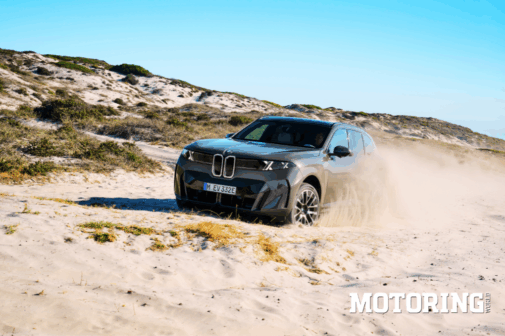
BMW says the new X5 continues to focus on driving dynamics despite its expanded technology suite. Adaptive suspension comes as standard, with Adaptive Chassis Control Professional available on electric and plug-in hybrid variants. The SUV also features updated Level 2 driver assistance systems, while the electric iX5 introduces BMW’s new Heart of Joy control system and Soft Stop technology for smoother braking.
Production of the new BMW X5 will begin at BMW’s Spartanburg plant in the United States from August 2026. Petrol and diesel variants are expected to reach global markets by late November, with the electric iX5 and plug-in hybrid models following in early 2027.