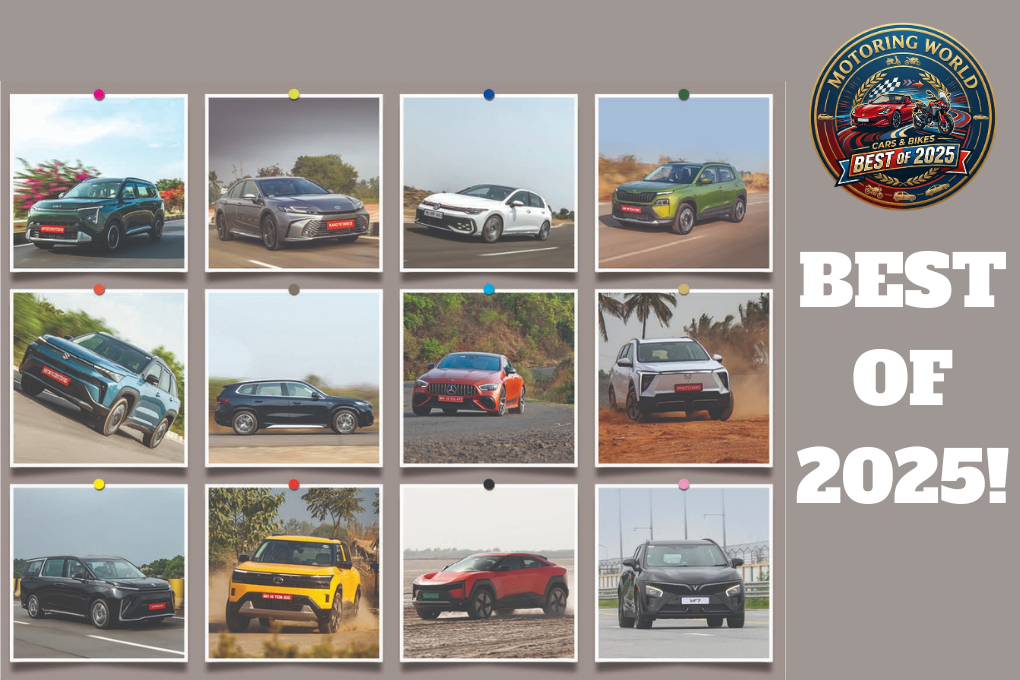


Yes, we know we’re a little late with this, but good things take time. 2025 was a very busy year for us, what with OEMs flinging new launches at us every two weeks. It sometimes felt like we were driving and reviewing two cars simultaneously (Ajay Devgn, anyone?), and often, they were from completely different categories. It wasn’t easy to sit down, clear our thoughts, and cut through the clutter to pick the ones we liked the most, but here they are. The list is completely subjective, of course, and we know you’re likely to disagree with some of our selections — but that’s part of the fun of it.
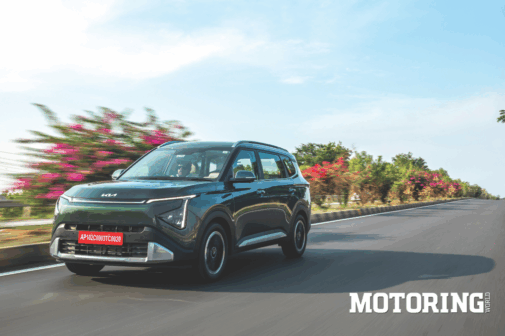
MUV: KIA CARENS CLAVIS
The Carens has always made a rational case for itself, and the Clavis makes an emotional one. Kia’s top-spec variant of the three-row people-mover arrives with enough equipment, refinement, and visual presence to make the MPV body style feel like a genuine choice, rather than a practical compromise. The automatic is smooth, the cabin is genuinely spacious across all three rows, and the feature list punches well above its price point. What clinches it, though, is how well it drives for something primarily designed to carry people and their luggage in comfort, and the ride quality is consistently good across varying road surfaces. In a
segment that often rewards the merely adequate, the Carens Clavis sets a standard that its rivals will need to work hard to match.
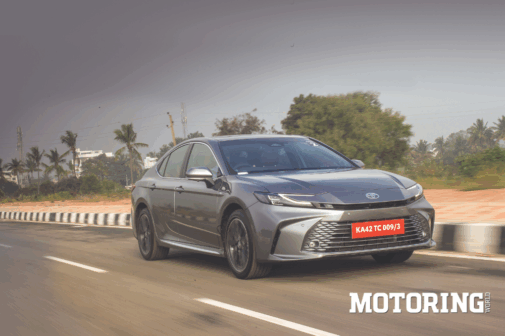
SEDAN: TOYOTA CAMRY
Sedans have been declared dead so many times that it’s almost become a cliché. The Camry doesn’t argue the point — it simply continues to be excellent and
lets the results speak for themselves. The hybrid powertrain is the centrepiece: smooth, efficient, and deceptively quick when you ask it to be. Toyota’s self charging setup means you never think about plugging in, and in city traffic, the electric-dominant running keeps things impressively quiet. The cabin is where the Camry earns its premium positioning — it’s wide, well appointed, and finished to a standard that justifies the asking price without needing to shout about it. Road manners are polished, with ride comfort and highway stability that make long journeys feel shorter than they are. In 2025, the Camry remained the definitive answer to the question of what a proper sedan should be.
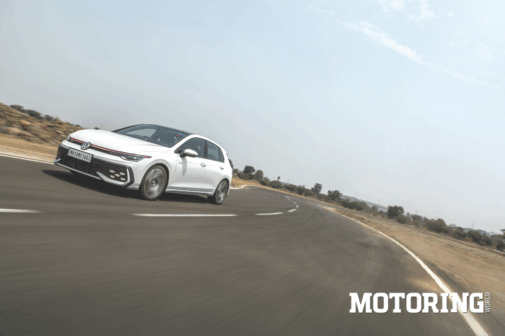
PERFORMANCE CAR: VOLKSWAGEN GOLF GTI
There is a version of this award that goes to the most powerful car, or the most exotic, or the one with the most dramatic exhaust note. This one goes to the car that best understands what performance actually means in daily use. The Golf GTI has been making that argument for five decades, and the current generation
makes it better than ever — 261 bhp through the front wheels, a dual-clutch gearbox that reads your intentions accurately, and a chassis that communicates
with a clarity that most performance cars at twice the price can’t match. It’s quick without being intimidating, engaging without being exhausting, and practical enough to use every day without compromise. The GTI remains
the benchmark by which all hot hatches are measured.
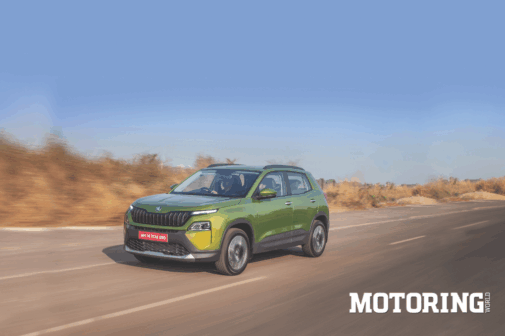
COMPACT SUV: SKODA KYLAQ
Skoda’s smallest SUV in India arrived with something to prove, and proved it efficiently. The Kylaq occupies the sub-four-metre segment without making the usual sub-four-metre compromises — the cabin feels properly sized, the driving dynamics are more mature than the price suggests, and the build quality carries the solidity that Skoda has made its calling card in this market. The 1.0-litre TSI engine is the right choice for the package: punchy enough to feel lively in traffic, efficient enough to make ownership costs reasonable. What distinguishes the Kylaq is the way it drives — there’s a confidence-inspiring stability that makes it feel like a larger car than it is. In a segment crowded with competent options, the Kylaq stands out by getting the fundamentals right and then adding a level of polish.
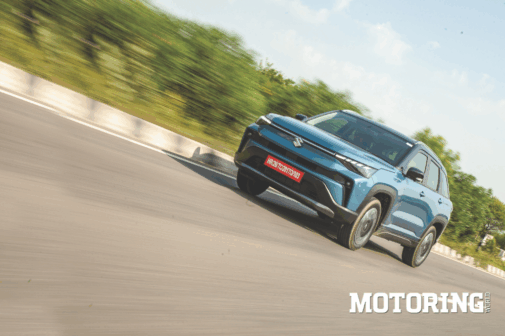
SUV: MARUTI SUZUKI VICTORIS
Maruti doesn’t do things quietly, but it does do them thoroughly. The Victoris — the brand’s most ambitious SUV to date — arrives with the kind of breadth that only a manufacturer with Maruti’s distribution, reach and customer understanding can pull off. The strong hybrid powertrain is the headline, delivering real-world efficiency figures that make running costs genuinely impressive, while the driving experience is more refined than the badge has traditionally suggested. The cabin is spacious, well-equipped, and built to the standard that buyers in this segment now expect as a baseline. Ground clearance is generous, ride quality is well-judged, and the overall package feels coherent in a way that suggests Maruti has been paying close attention to what its customers actually want.
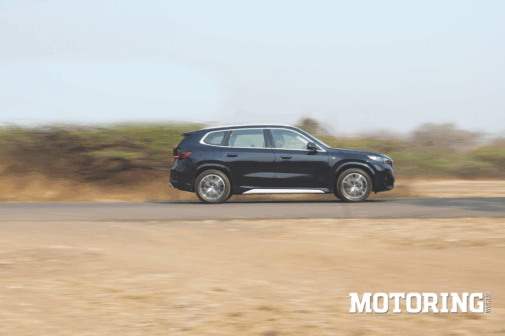
PREMIUM SUV: BMW iX1 LWB
BMW took the iX1 — already a strong proposition — and stretched it, and the result is one of the most well-rounded premium electric SUVs in the country. The long-wheelbase variant addresses the one criticism levelled at the standard car: rear seat space. With the additional length, the iX1 LWB offers the kind of rear accommodation that justifies the premium positioning, while the front-seat experience remains as driver-focussed as BMW’s customers expect. The electric powertrain is smooth and responsive, with enough performance to make overtaking feel effortless and enough range to make longer journeys practical.
The interior quality is exactly where it needs to be at this price point, and the driving dynamics — particularly the steering and chassis composure — set the standard for the segment.
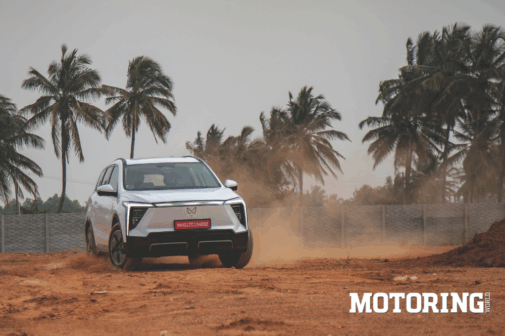
EV: MAHINDRA XEV 9S
Mahindra’s flagship electric SUV makes a statement from the moment you see it — it’s bold, angular, and confident in its identity. The XEV 9S sits at the top of the brand’s electric range and justifies the position with a combination of performance, technology, and presence that’s difficult to argue with. The powertrain is potent, delivering the kind of instant torque response that makes merging onto a highway feel like a minor formality, and the range figures are among the best in the segment. Inside, the three-screen setup dominates the dashboard in a way that manages to feel considered rather than excessive, and the overall cabin quality represents a meaningful step forward for Mahindra. Ground clearance is generous, the ride is well-tuned for Indian roads, and the overall package makes a compelling case that India can produce a world-class electric SUV.
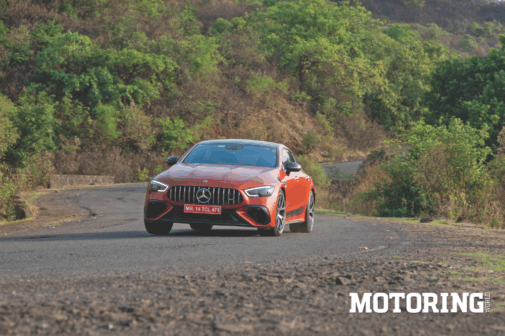
SUPERCAR: MERCEDES-AMG GT63
There are fast cars, and then there are cars that make speed feel like an event. The AMG GT63 belongs firmly in the second category. Four doors, four seats, and a four-litre twin-turbocharged V8 producing figures that belong on a race track, yet somehow contained in a car that will collect your luggage from the airport without complaint. The AMG GT63 is the grand touring argument made in the most emphatic terms possible: that you shouldn’t have to choose between performance and usability, between drama and daily practicality. The way it rides — compliant enough for comfort, firm enough to communicate — reflects the engineering balance that AMG has spent decades refining. On a clear road, it is simply one of the most complete driving experiences available at any price.
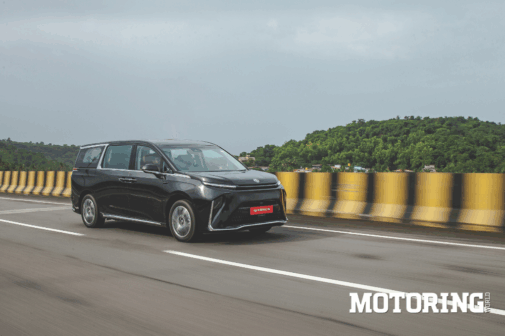
LUXURY EV: MG M9
The luxury MPV segment in India has always existed, but it has rarely felt genuinely aspirational. The MG M9 changes that. This is a full-size electric people mover that approaches the brief with the seriousness it deserves, with a genuinely premium cabin, proper rear seat comfort, and a refinement level that makes the electric drivetrain feel like the natural choice for a car primarily experienced from the back seat. The absence of engine noise transforms the rear-seat experience in a way that’s difficult to fully appreciate until you’ve sat in one: conversations happen at normal volume, the road soundtrack is distant, and long journeys become substantially less tiring. Equipment levels are generous, the screen setup is impressive, and the overall sense of occasion is higher than the price would suggest.
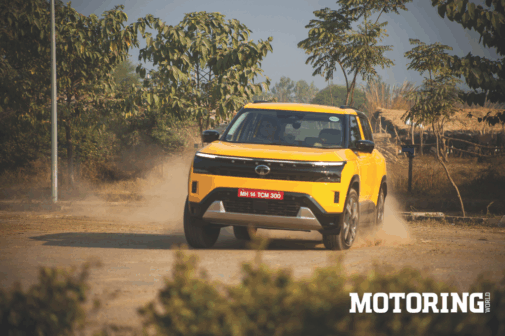
DESIGN: TATA SIERRA
Some nameplates carry weight. The Sierra is one of them — a car that existed briefly, left a disproportionate impression, and has spent the years since its discontinuation as the answer to the question of what Tata should bring back. The new Sierra justifies the revival. It doesn’t rely on nostalgia as a design shortcut; instead, it takes the proportions and character that made the original memorable and reinterprets them for the present, with a confidence that suggests the design team understood exactly what they were working with. The result is one of the most distinctive silhouettes in the Indian market — recognisable, coherent, and genuinely attractive rather than merely attention grabbing. In a year of strong design across the industry, the Sierra stood apart by doing something that most automotive design only attempts: it made you feel something before you even opened the door.
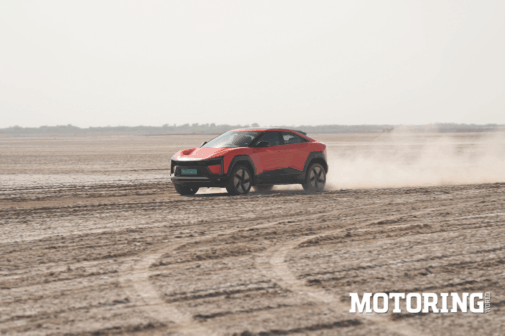
MANUFACTURER: MAHINDRA
If 2025 had a story in the Indian automotive industry, Mahindra wrote most of it. The BE 6 FE Edition, the XEV 9S, the continued dominance of the Thar and Scorpio N — it was a year in which Mahindra seemed to be everywhere at once, and almost always doing something worth paying attention to. The electric offensive, in particular, demonstrated that the brand had moved beyond promising the future and begun delivering it: performance, technology, and design at price points that forced the industry to reconsider its assumptions. None of this happened by accident. It reflects a manufacturer that has understood its moment, backed its convictions, and executed with remarkable consistency.
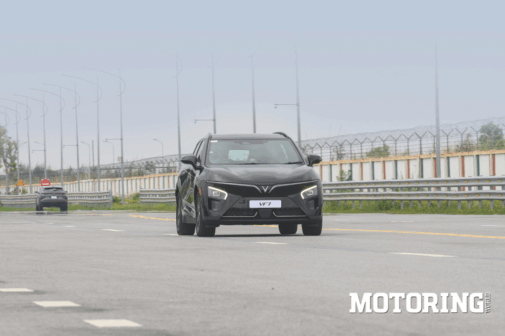
DISRUPTOR: VINFAST
Not many saw VinFast coming. That, in itself, is the point. The Vietnamese manufacturer arrived in India with the kind of conviction that established players take years to develop — a full product lineup, an aggressive pricing strategy, and a long-term commitment to the market that goes well beyond
simply showing up with a few cars and hoping for the best. The planned VinFast ecosystem — vehicles, charging infrastructure, and service network developed in parallel rather than sequentially — reflects a manufacturer that has studied how electric mobility actually needs to work rather than how it has traditionally been rolled out. Whether VinFast delivers on the full scope of that ambition remains to be seen, but the intent is serious and the entry has been anything but timid. In a market that rewards boldness when it’s backed by substance, VinFast has made a
opening statement worth paying attention to.