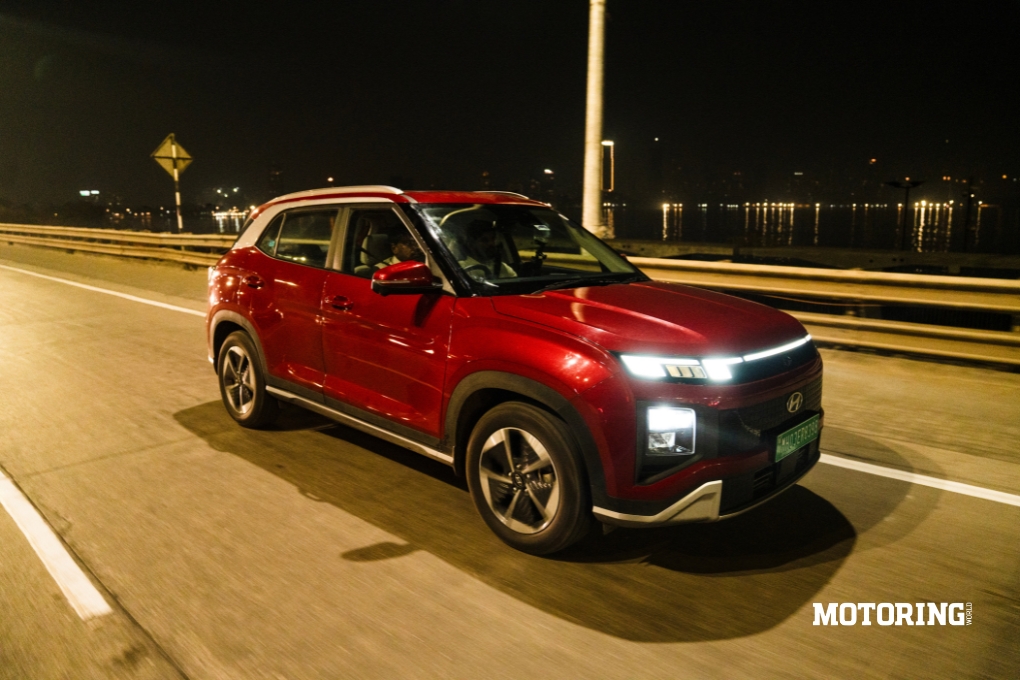


Hyundai Motor India has introduced a major shake-up in the mid-size EV space with the launch of a Battery-as-a-Service (BaaS) ownership model for the Creta Electric. This new approach dramatically reduces the entry price of the electric SUV, making it significantly more accessible to a wider base of buyers in India’s fast-evolving EV market.
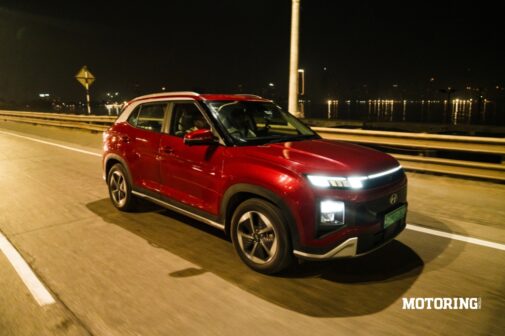
With BaaS, the Creta Electric now starts at Rs 10.99 lakh (ex-showroom), effectively lowering the upfront cost barrier by decoupling the expensive battery pack from the vehicle purchase. In comparison, the standard full-ownership version of the SUV begins at around Rs 18.03 lakh, marking a reduction of nearly Rs 7 lakh at the point of purchase.
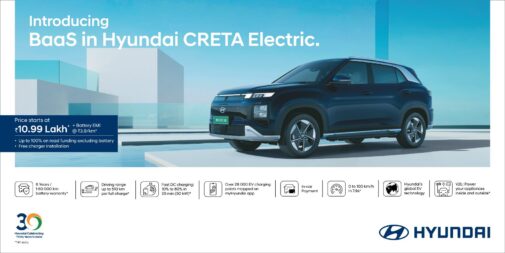
The core idea behind the BaaS model is simple but transformative: customers buy the vehicle without the battery and pay for the energy separately based on usage. Instead of absorbing the high upfront cost of a large battery pack, owners effectively rent it over time.

Under this structure, battery usage is priced at Rs 3.9 per kilometre, allowing buyers to align costs directly with driving habits. For urban commuters and first-time EV adopters, this usage-based model significantly reduces financial pressure at the time of purchase while also offering predictable operating expenses.
Another key advantage lies in risk mitigation. Since the battery remains under manufacturer ownership and management, concerns around long-term degradation, warranty coverage, and resale uncertainty are significantly reduced. This shifts one of the most expensive EV components into a service-based model rather than a depreciating asset owned by the customer.

Mechanically, the Creta Electric remains identical to its standard variants, continuing to offer two battery options that balance range and performance.
The 42 kWh short-range version delivers an ARAI-certified range of 420 km with 135 bhp on tap, while the larger 51.4 kWh long-range variant pushes output to 171 bhp and extends range to 510 km. The more powerful configuration is capable of accelerating from 0–100 kph in just 7.9 seconds, giving it a strong performance edge in its segment.
Charging capability also remains a strong point. With DC fast charging, the battery can be replenished from 10 to 80 per cent in approximately 39 minutes, making it practical for longer intercity journeys as well as daily urban use.
Alongside the introduction of BaaS, Hyundai Motor India Limited has also made a few thoughtful updates to the Creta Electric lineup based on customer feedback.
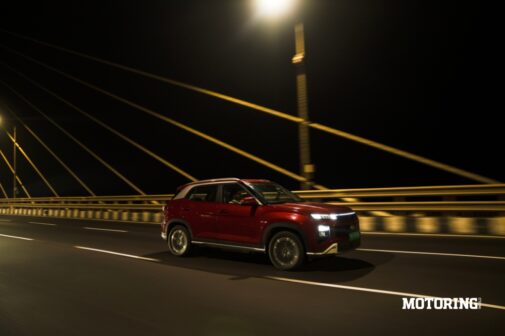
A new integrated side footstep has been added to improve ingress and egress, particularly useful for family buyers and older passengers. In addition, Home Charger-equipped variants now come bundled with a 7.4 kW AC wallbox charger, improving at-home charging convenience and efficiency.
Inside, the SUV continues to offer a well-loaded premium experience. Key features include dual 10.25-inch displays, ventilated front seats, a panoramic sunroof, Vehicle-to-Load (V2L) functionality, and Hyundai SmartSense Level 2 ADAS safety technology.
With the introduction of BaaS, Hyundai joins a growing group of automakers experimenting with alternative ownership structures to accelerate EV adoption in India. By lowering upfront costs while retaining strong feature content and performance, the Creta Electric positions itself as one of the most accessible premium EV SUVs in its class.
This move not only reshapes how customers think about EV ownership but also signals a broader shift toward flexible, usage-based automotive models in the Indian market.