

Some motorcycles merely survive history. The Bullet helped write it. Since 1932, the Royal Enfield Bullet has endured through wars, changing empires, fuel crises, emission norms and shifting tastes, all while staying loyal to a simple formula — a single-cylinder motorcycle with a heartbeat unlike anything else. It became more than transport; it became folklore cast in metal, passed down through generations and woven deep into motorcycling culture itself.
Which is why the Bullet 650 feels so significant. Royal Enfield has built twins before, both in Britain and with its modern 650 family, but the Bullet badge remained sacred single-cylinder territory for over nine decades. The Bullet 650 is the first factory-built twin-cylinder motorcycle to wear that name.
And that raises the obvious question: can a motorcycle still feel like a Bullet when its heartbeat changes? On paper, the answer seemed straightforward. The Bullet 650 shares much of its mechanical foundation with the Classic 650 and apart from a different handlebar and seat, there didn’t appear to be enough separating the two motorcycles. But motorcycles, especially Bullets, have never lived on paper.
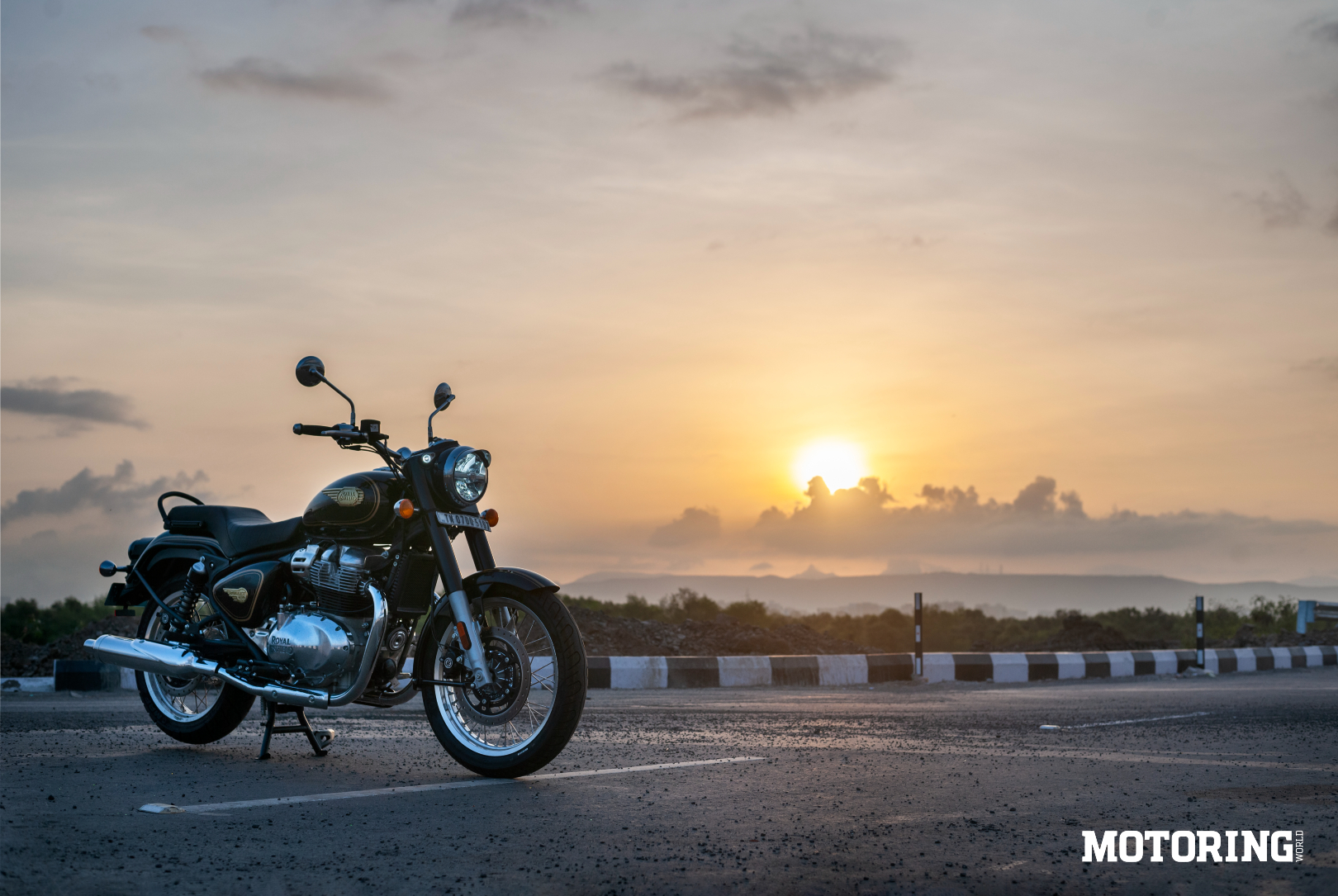
The answer arrived at the very first traffic signal. Before the lights turned green, questions had already begun flying in. College boys rolled closer wanting to know about the ‘big Bullet’, senior citizens stared with unmistakable approval and even the cop across the junction, despite being on duty, could barely take his eyes off the motorcycle. What struck me most was that nobody saw this as another Royal Enfield 650. To them, and rather unexpectedly to me as well, this was unmistakably a Bullet. Perhaps that reaction begins with the way it looks.
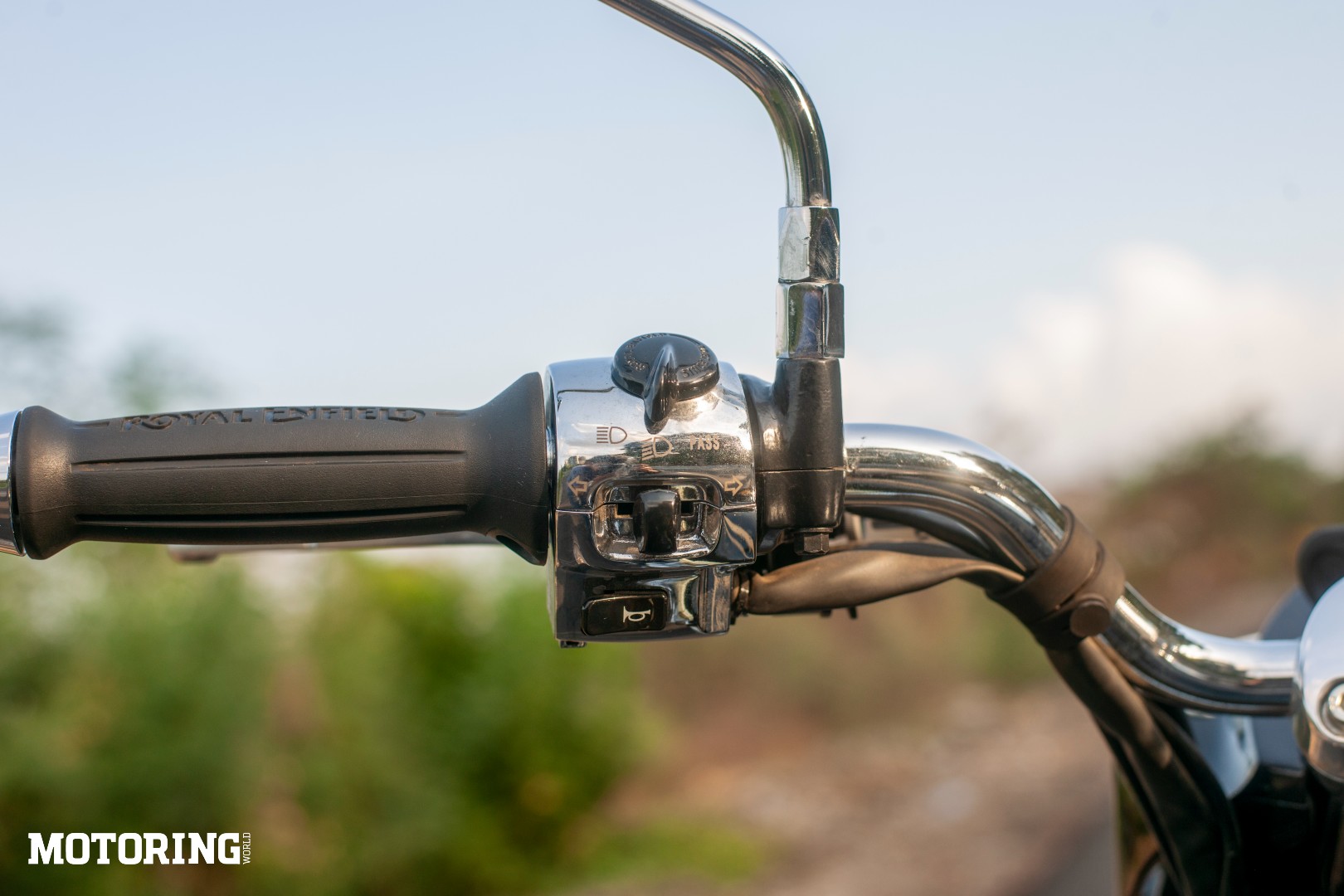
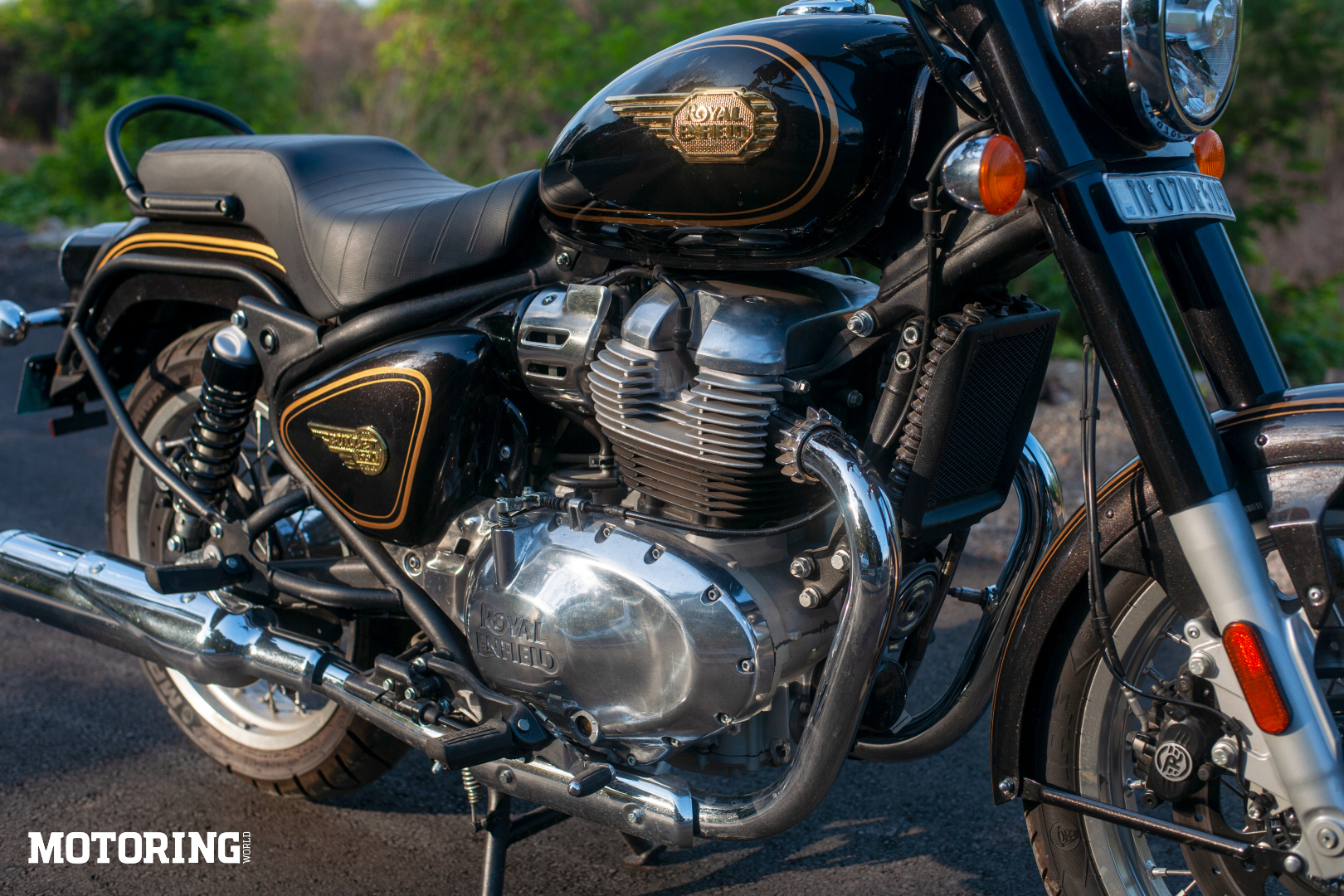
The pinstriped 14.8-litre fuel tank and gold-painted 3D badges make the identity instantly recognisable. It has presence without appearing theatrical and familiarity without looking dated. The Bullet’s visual DNA remains gloriously intact, right down to the familiar casquette and silhouette. Spend more time around it and the details begin to stand out — the neatly finished aluminium switchgear, the heavy-duty triple-tee cover with ‘Royal Enfield’ engraved into it and the peashooter exhausts that look as though they’ve always belonged here. Royal Enfield hasn’t merely enlarged the Bullet; it has preserved its visual memory.
Swing a leg over and that feeling continues. Yes, the twin-cylinder configuration has made the motorcycle wider, but if you were to close your eyes and sit on it, you would instantly recognise this as a Bullet. The reach to the handlebar is relaxed, the footpegs sit naturally beneath you and the iconic bench seat encourages the same easy-going riding posture that Bullet riders have known for decades.
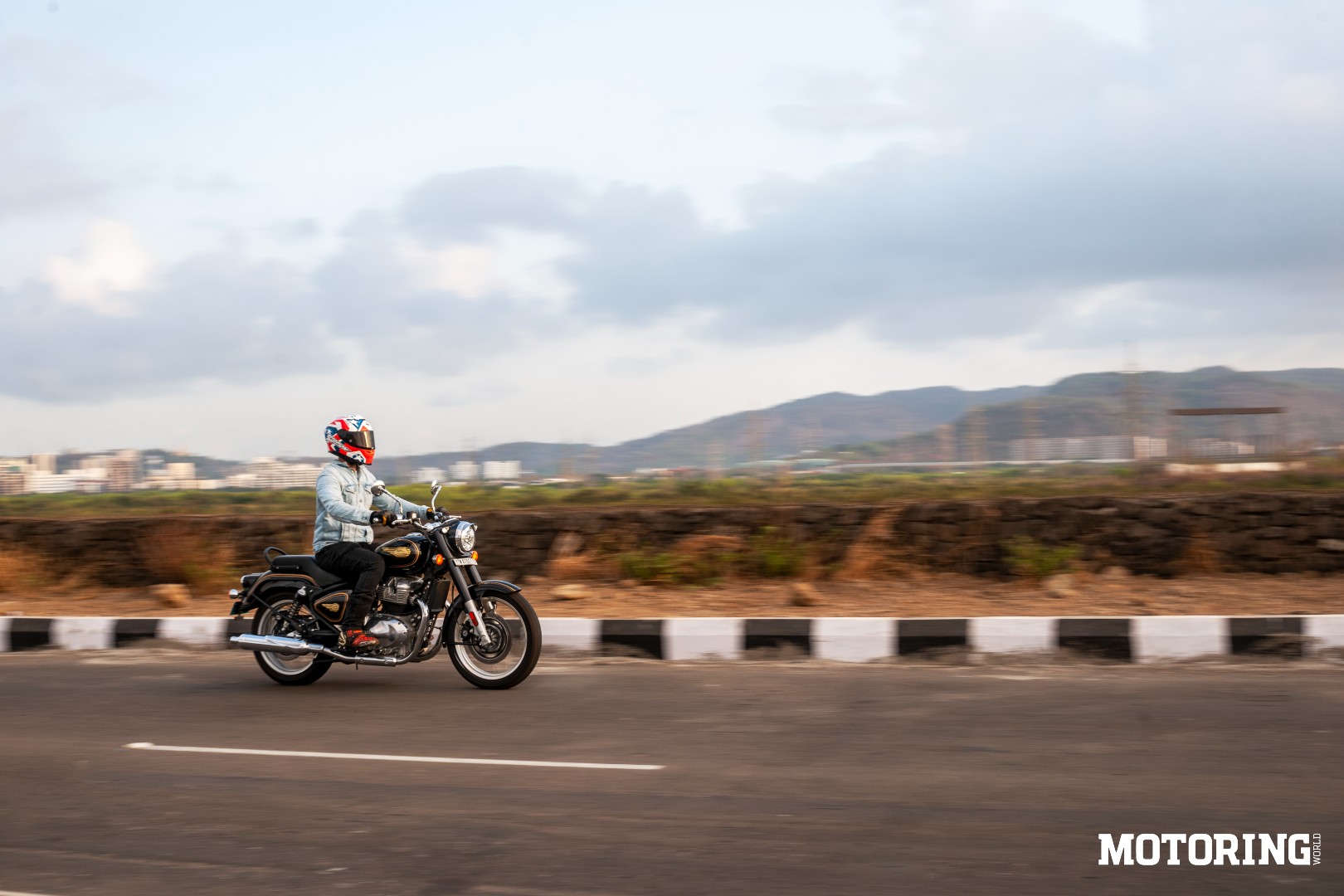
In fact, the sense of familiarity is almost deceptive. I found myself perched on the motorcycle exactly as I would on a Bullet, to the extent that my left foot instinctively searched for a heel-shifter while moving to second gear. And then came the surprise — there isn’t one.
That missing heel-shifter might disappoint traditionalists, but the rest of the riding experience feels wonderfully natural. The clutch is on the heavier side, though the gearbox shifts positively and suits the motorcycle’s easy-going personality perfectly.
And then there’s the engine. A Bullet without effortless torque would feel incomplete and thankfully, the 648cc parallel-twin understands its assignment. Yes, the iconic thump has disappeared, replaced by the familiar refined pulse of Royal Enfield’s 650 platform, though the peashooter exhausts lend it a deeper, more burbly soundtrack. Purists may miss the old soundtrack initially, but out on the road, the Bullet 650 gives you very little time to mourn.
Because what it delivers instead feels remarkably Bullet-like. There’s a healthy spread of torque throughout the rev range and city riding becomes wonderfully effortless. Leave it in third or even fourth gear and the Bullet will happily chug through moving traffic without complaint, relying on its bottom-end grunt rather than frantic downshifts. The engine produces 46.3 bhp and will sprint to an indicated 150 kph if asked, though the urgency understandably tapers beyond 110 kph.
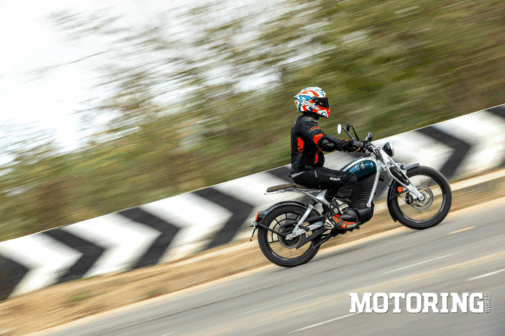
Truthfully, outright speed feels beside the point here. The engine is happiest between 80 and 90 kph, where the motorcycle settles into a relaxed rhythm and feels entirely in character. Push harder and vibrations begin making themselves known through the handlebar and footpegs, though stability remains reassuring all the way to the top. Even at 120 kph, windblast never feels particularly tiring.
Traffic, however, reveals some compromises. The engine does heat up noticeably and thanks to the wider twin-cylinder layout, your legs will feel it. There’s no escaping the 243-kg wet weight while manoeuvring through parking lots either. But once the motorcycle is in motion, the mass almost disappears.
That composure extends to the chassis. Considering it shares much with the Classic 650, Shotgun 650 and Super Meteor 650, the ride quality is surprisingly good. The suspension deals with undulations, minor potholes and speed breakers with admirable sophistication, smoothing out imperfections so effectively that you barely notice them. Naturally, larger craters still demand caution.
The Bullet also corners with far more confidence than its proportions might suggest. Thanks to the MRF rubber and well-sorted chassis, it feels planted and reassuring rather than cumbersome.
Braking performance mirrors the rest of the 650 family. The front brake performs well, but it is the massive 300-mm rear disc that truly stands out, delivering stupendous stopping power backed by dual-channel ABS. Effective? Absolutely. Slightly unnerving if you aren’t prepared for it? Also yes.
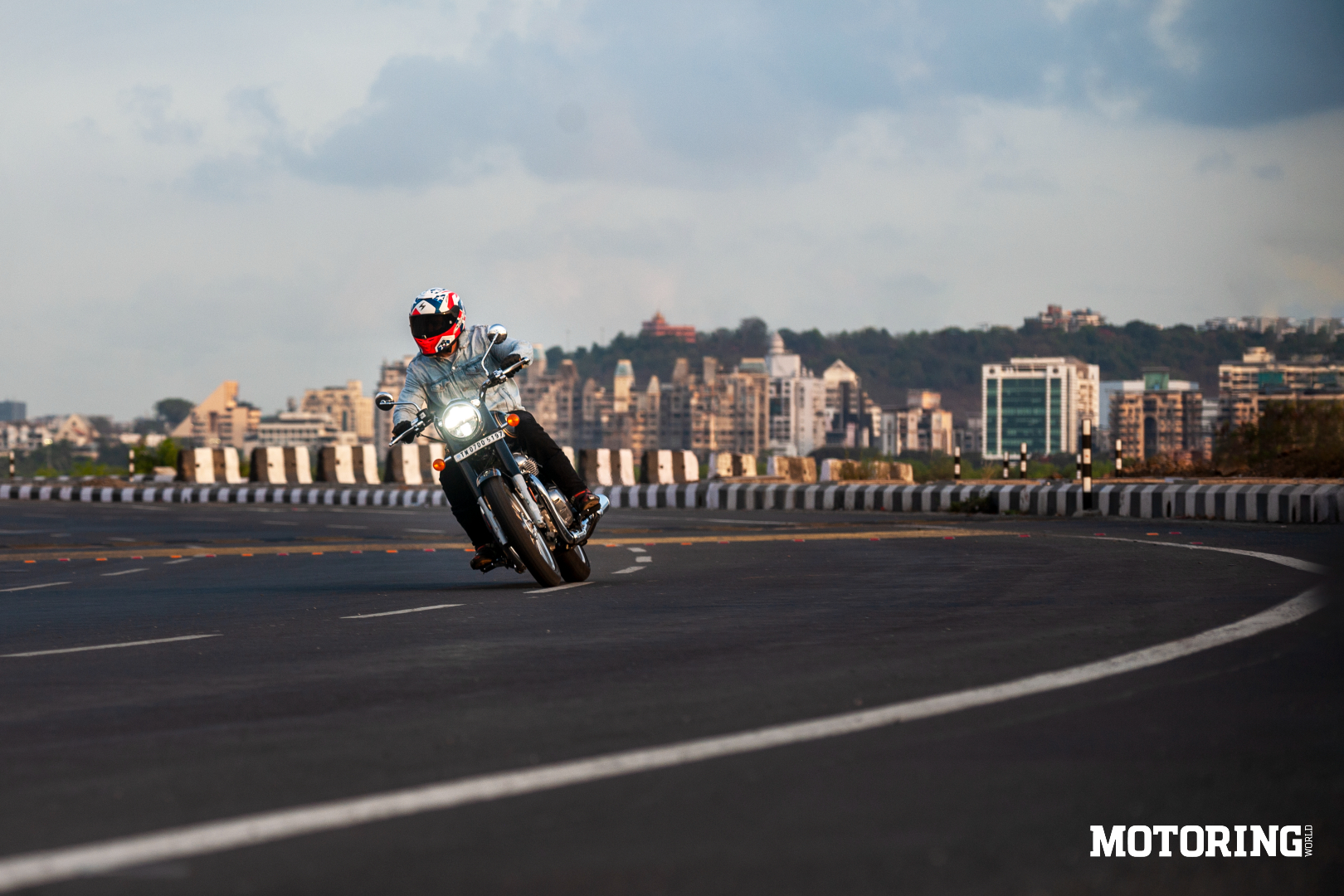
Not everything is perfect, though. The bench seat is broad enough for larger riders but proves too soft for long journeys. Within roughly 100 kilometres, you begin sinking into it and the edges start becoming uncomfortable. The metal pillion grab rail creates another issue — once the pillion settles into the seat, the rail begins poking and quickly turns comfort into complaint.
And yet, despite these flaws, the Bullet 650 leaves behind an impression that is difficult to dismiss. Purists may struggle with the idea of a heavier, twin-cylinder Bullet and that hesitation is understandable. But perhaps they’re asking the wrong question. The Bullet 650 was never trying to replace the Bullet 350.
If anything, it complements it. For younger riders drawn to the Bullet’s heritage but wanting the effortless performance of Royal Enfield’s 650 platform, this makes compelling sense, even if the Interceptor and Continental GT remain sharper performance tools. And for existing Bullet owners, adding this to the garage feels far more logical than replacing what they already have.
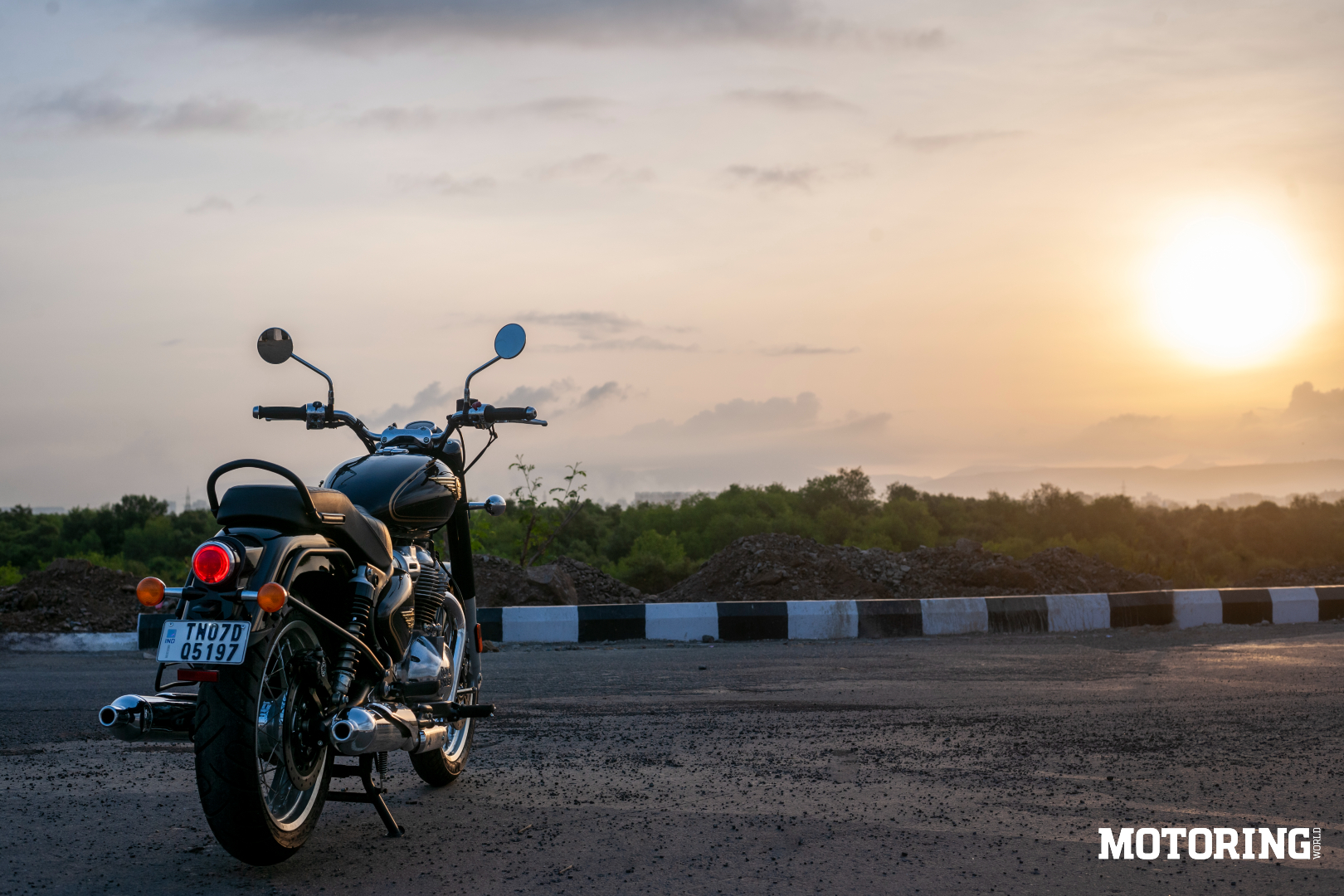
Because somewhere during this ride, an uncomfortable assumption quietly fell apart. For decades, we believed the Bullet’s identity lived inside its thump. But the Bullet 650 suggests otherwise. Somehow, despite the extra cylinder, the extra weight and the absence of that familiar soundtrack, this motorcycle still feels profoundly, unmistakably Bullet. And perhaps that is its greatest achievement.