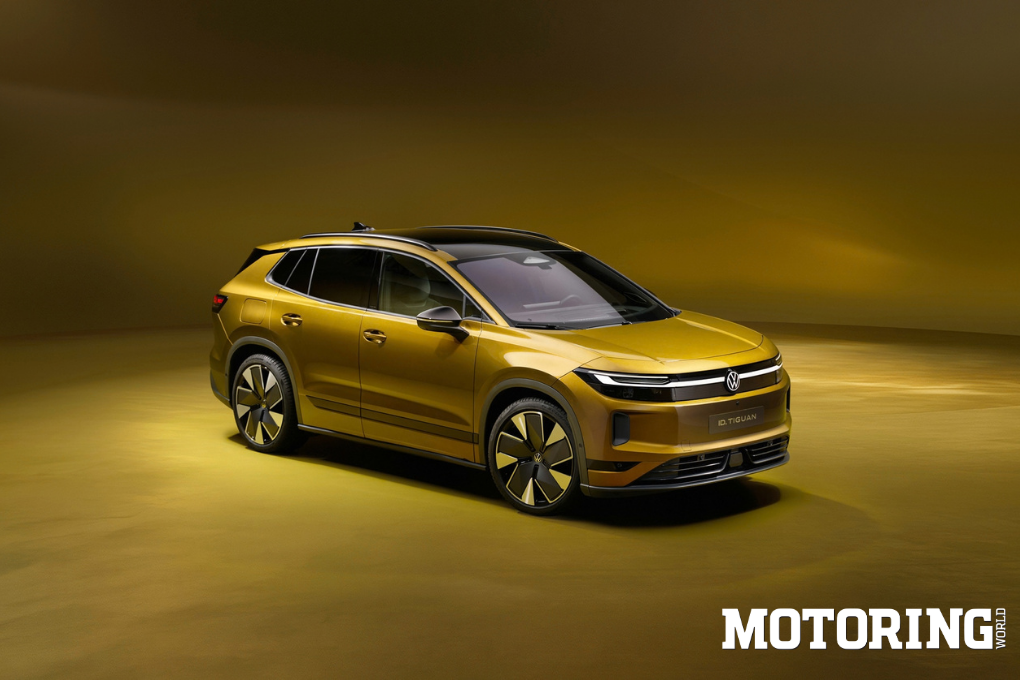


Volkswagen’s best selling SUV family is going electric, and it’s bringing up to 295 bhp, a claimed 600 km range and enough screens to keep the front passenger busy without hijacking the driver’s attention. Meet the new ID. Tiguan, the electric SUV that wants to make the future feel rather familiar.
The Tiguan has been one of Volkswagen’s most important nameplates globally, and now the German carmaker is giving it an electric future. Revealed as the successor to the ID.4 and ID.5, the new Volkswagen ID. Tiguan is set to arrive in early 2027, while the existing petrol, diesel and hybrid-powered Tiguan will continue to be sold alongside it. The ID.4 and ID.5 have collectively clocked more than 950,000 units built, leaving the new arrival with some rather large shoes to fill.
A tougher new look
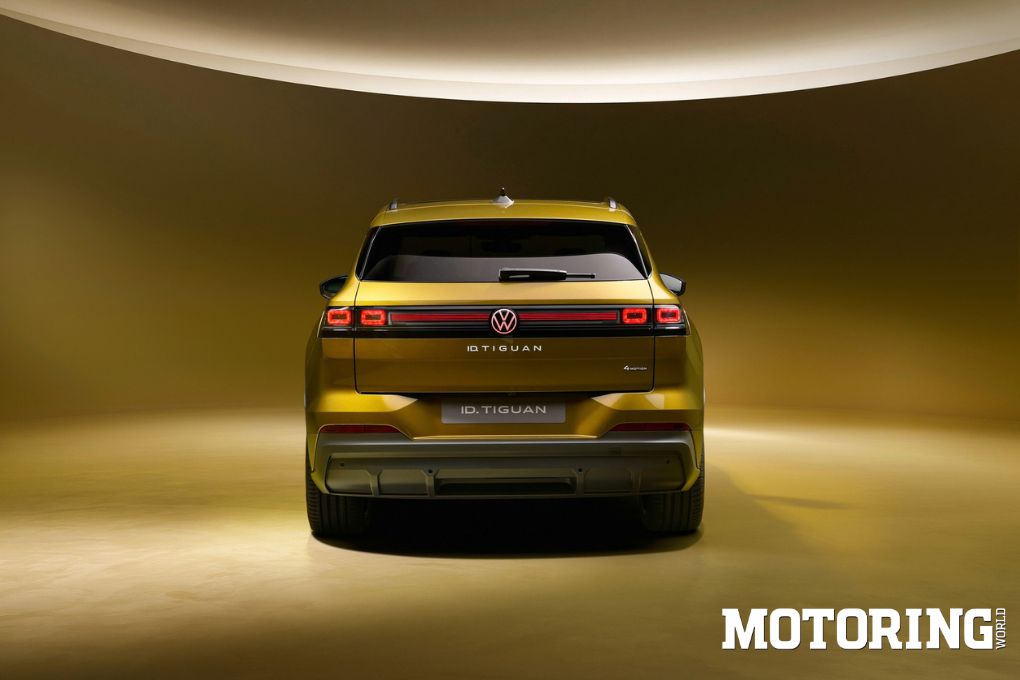
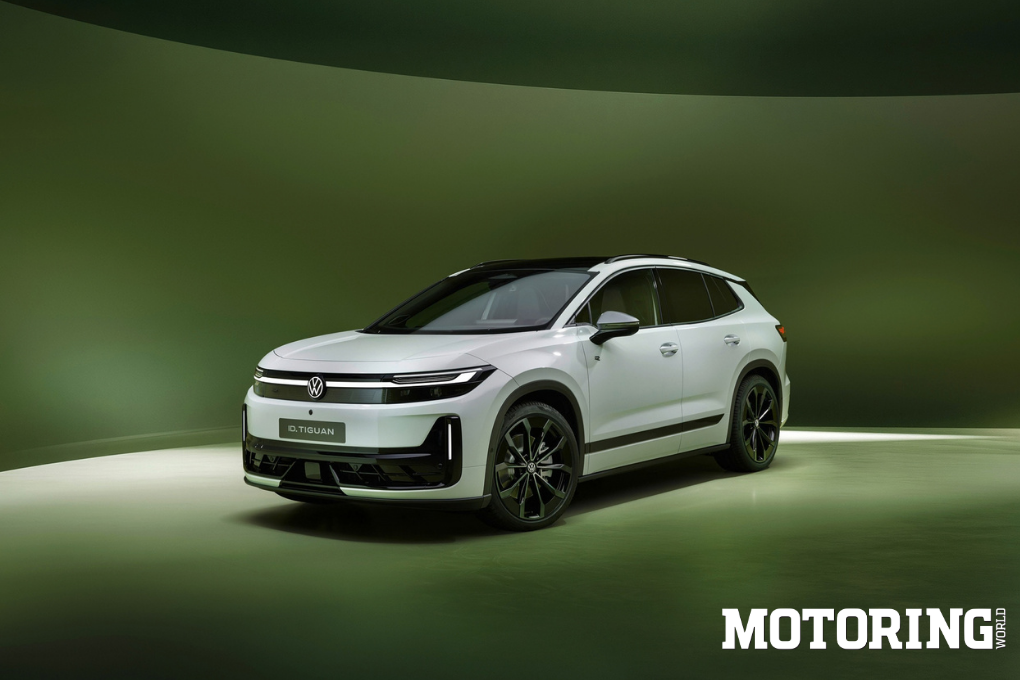
The ID. Tiguan adopts Volkswagen’s ‘Pure Positive’ design language, swapping the softer crossover styling of its predecessors for a more muscular SUV stance. Sharper lines, tightly sculpted surfaces and a more substantial appearance give it the visual presence of a vehicle from the class above.
Volkswagen has also brought back classic pull-style door handles. It’s a small detail, but a welcome reminder that not every car interaction needs to involve swiping, tapping or negotiating with a touchscreen.
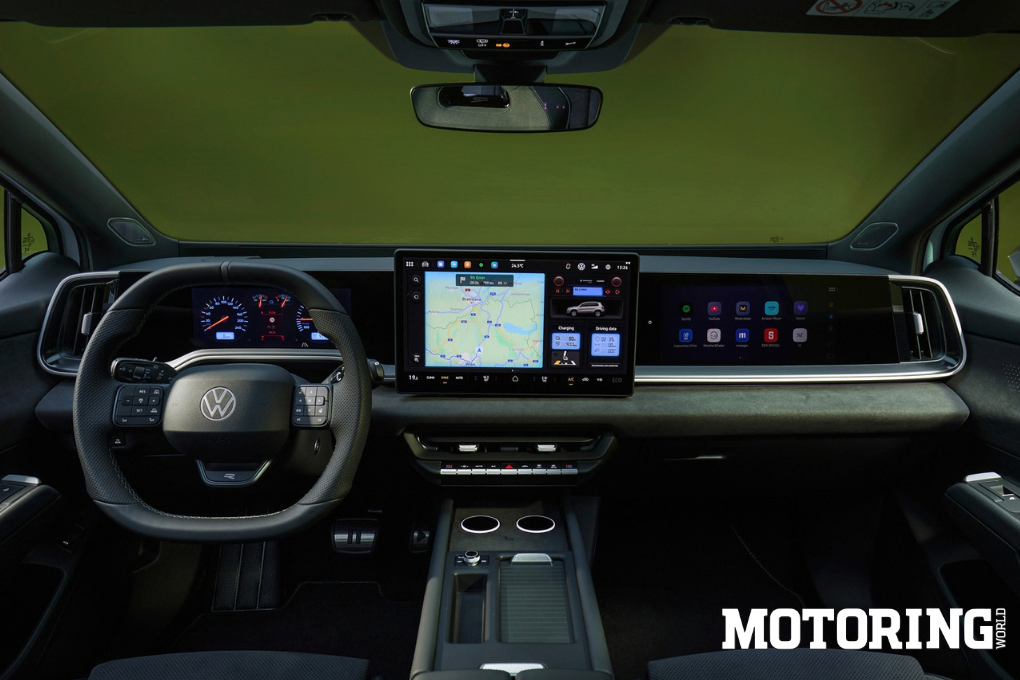
A cabin full of screens, with a nostalgic twist
Inside, the ID. Tiguan gets a substantial technology upgrade. There is a 10-inch digital instrument display, a 15-inch central infotainment touchscreen and, for the first time on a European Volkswagen, an optional 12-inch co-driver display. The passenger screen features a privacy mode, allowing the person sitting beside you to enjoy entertainment, information and gaming without distracting the driver. Bluetooth headphones help keep the peace, which could prove particularly useful on long family road trips.
Thankfully, Volkswagen has also listened to customers asking for more physical controls. Climate functions return to a dedicated button bar, while the multifunction steering wheel gets physical buttons instead of touch-sensitive controls. Two Qi2 wireless charging points with magnetic positioning round off the convenience upgrades. Then comes the fun bit. The new ‘Retro’ display recreates the iconic blue-and-red instrument graphics of the Golf IV. The infotainment screen can also display a virtual garage featuring six Volkswagen icons, including the original Golf, Golf II Country, Golf IV, first-generation Tiguan, Race Touareg and Beetle. Nostalgia, it seems, is now available at the press of a button.
Up to 295 bhp and 600 km of range
The ID. Tiguan will be offered in three powertrain configurations. The entry-level rear-wheel-drive version produces 187 bhp and gets a 58 kWh battery. Step up to the more powerful rear-wheel-drive variant and output rises to 282 bhp, with a larger 77 kWh battery. At the top sits a 4MOTION all-wheel-drive version producing 295 bhp, also paired with a 77 kWh battery. Volkswagen claims a maximum WLTP range of up to 600 km, depending on the variant and equipment. As always, real-world range will depend on driving style, temperature, road conditions and how enthusiastically the climate control is being used.
Practicality hasn’t been forgotten either. The ID. Tiguan gets a 32-litre front storage compartment, or frunk, alongside a boot offering up to 534 litres. Towing capacity is rated at up to 1,800 kg with the smaller battery and 2,000 kg with the larger one.
Clever tech for everyday life
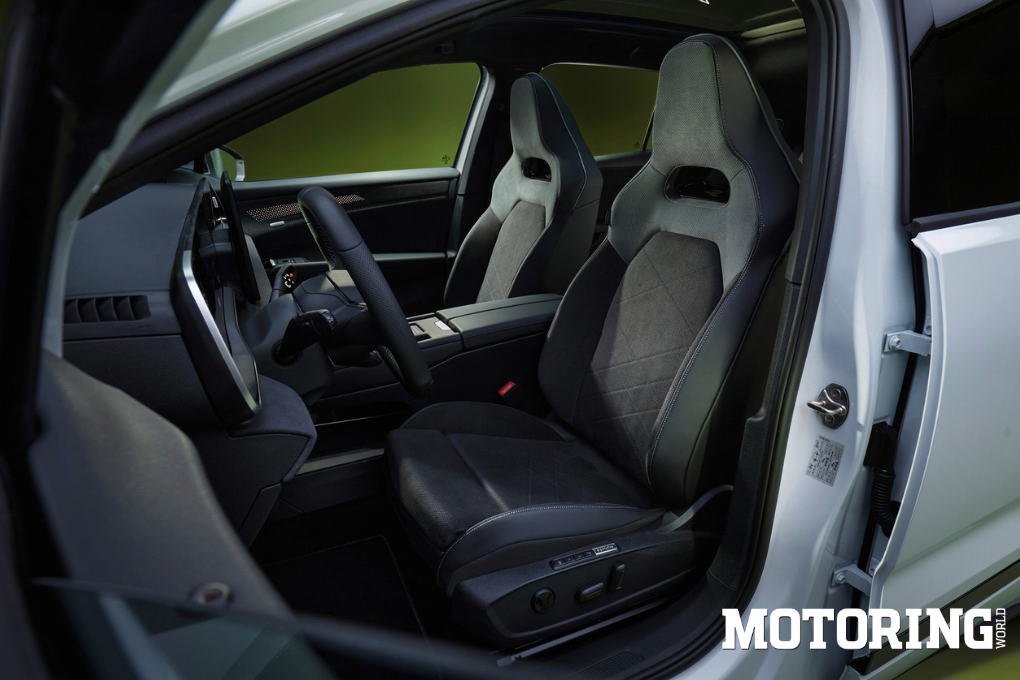
One-pedal driving comes as standard, allowing drivers to accelerate and decelerate using the accelerator pedal alone. Connected Travel Assist can support assisted lane changes on motorways and, within system limits, bring the SUV to a stop at red traffic lights. Optional features include ventilated and massaging front seats, memory functions, a panoramic sunroof and a 480 W Harman Kardon sound system. A Digital Key allows compatible smartphones to lock, unlock and start the car, while a Vehicle-to-Load adapter can power external devices, from e-bikes to electric grills.
Pre-sales in Germany and several other European markets begin on 13 October, with prices starting at € 42,695, which works out to approximately ₹ 46.3 lakh at recent exchange rates. This is a direct currency conversion, not an Indian price, and excludes import duties, taxes and other market-specific costs. Volkswagen has not announced an India launch timeline or pricing.
The ID. Tiguan is Volkswagen’s attempt to make electric motoring feel less like stepping into the unknown and more like climbing into a familiar SUV, just with fewer visits to the fuel station.
And if that Golf IV-inspired display makes you feel a little misty-eyed, at least you won’t need to find an old one with a functioning dashboard.
The power outputs and specifications are based on Volkswagen’s announcement. The approximate ₹46.3 lakh conversion uses a rate of around ₹108.4 per euro as of 9 October 2026.