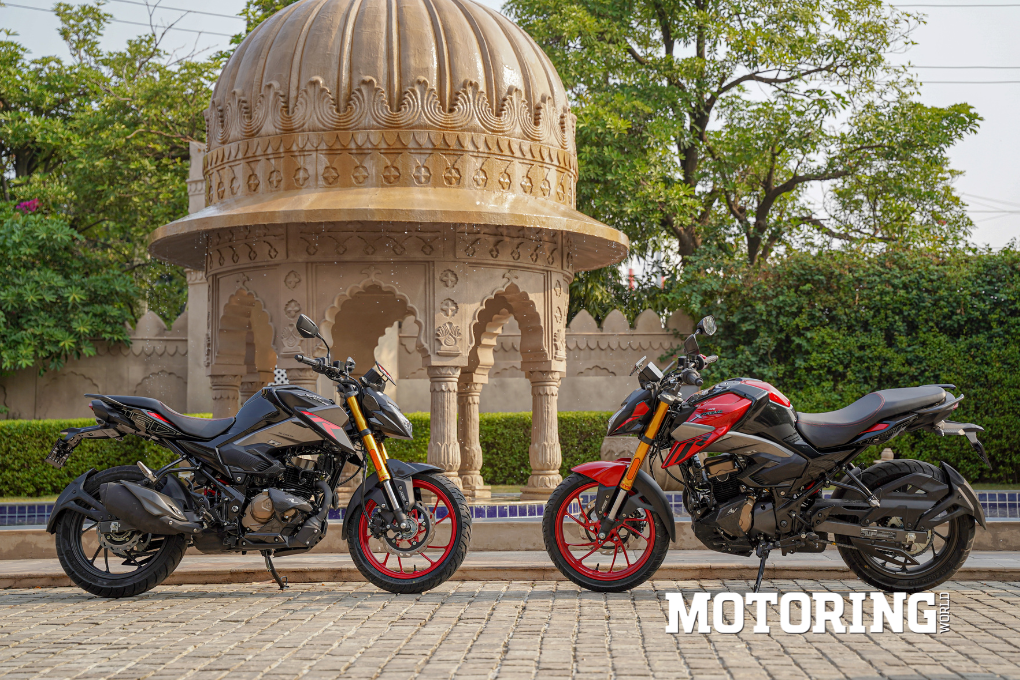


The 160cc motorcycle has an identity crisis of sorts. It must be affordable enough for everyday use, entertaining enough to justify its sporty styling, and now, increasingly, equipped with features that once belonged to much larger motorcycles. The 2026 Hero Xtreme 160R 4V takes that last expectation rather seriously. After spending a few hours with it in Jaipur, though, I came away thinking that its electronics are only half the story.
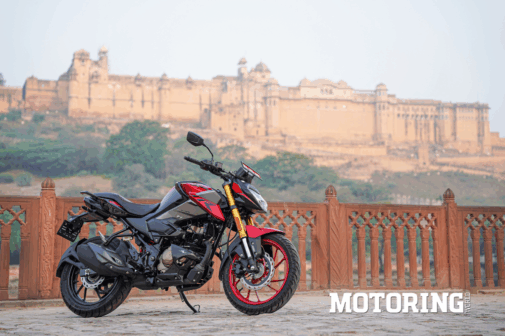
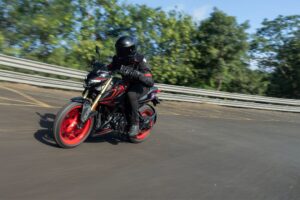
The most obvious change is the styling. The revised bodywork gives the Xtreme a sharper, more assertive appearance, with its lighting and sculpted panels borrowing visual cues from the larger Xtreme 250R. The result is a motorcycle that looks more purposeful without straying too far from its compact streetfighter proportions. The Carbon variant adds faux hydrodipped carbon-fibre detailing and coloured wheels, lending it some extra visual drama.
But it is the equipment list that really distinguishes this update. The top-spec version gets a TFT instrument console, Bluetooth connectivity, navigation and adjustable brake and clutch levers. More unusually, there is cruise control, too. On a motorcycle of this size, that feature might initially seem excessive. Yet for riders whose daily routes include stretches of open road, it could prove useful rather than merely impressive on a brochure.
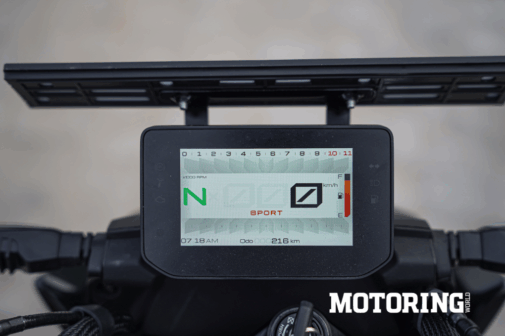
The electronic throttle also unlocks three riding modes — Rain, Road and Sport. These offer different responses to the rider’s inputs, although the additional technology doesn’t automatically translate into a more polished riding experience. Switching between modes involves navigating the handlebar controls, and a more straightforward interface i.e, a dedicated mode button would make the feature easier to use while riding.
Underneath all the new technology is a familiar 163.2cc, four-valve, oil-cooled single-cylinder engine. Output now stands at 17.1 bhp and 14.6 Nm, figures that place the Xtreme firmly in the competitive end of the segment. The marginal increase in power, however, doesn’t fundamentally change the character of the motorcycle. Its appeal remains rooted in accessible performance rather than outright speed.
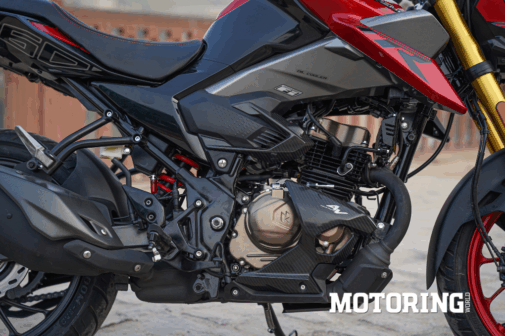
The ride-by-wire system is the bigger talking point. While it enables the new riding modes, throttle response could be smoother, particularly when moving between acceleration and deceleration in traffic. The transition between opening and closing the throttle isn’t always as seamless as one would expect from an electronic setup, especially between 2,500 – 4,000 rpm. Though Hero clarified that this was purposely done to bring a sense of urgency, it ended up feeling jumpy, meaning, I had to try to figure out how to modulate the throttle when shooting out of corners.
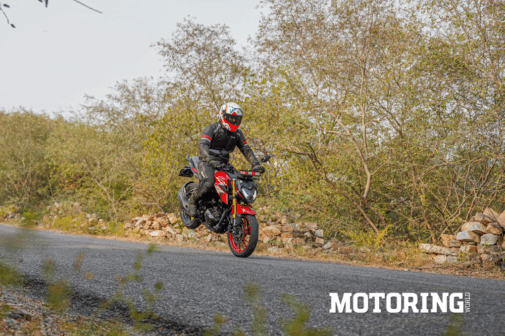
Away from the engine, the Xtreme retains its nimble, approachable nature. Its compact proportions make it easy to manoeuvre, while the suspension deals reasonably well with smaller road imperfections. Larger potholes still call for a more cautious approach, and the front brake could offer a more immediate initial bite and feedback. These are not deal-breakers in isolation, but they matter in a segment where everyday usability often counts more than headline specifications.
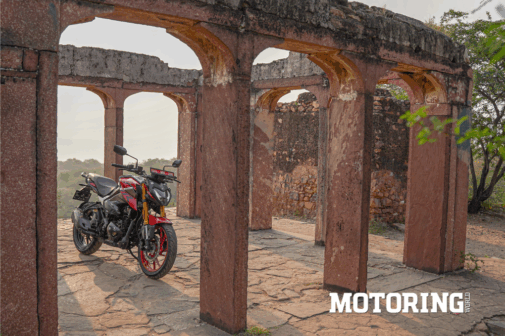
Hero offers the updated motorcycle in three variants. The Standard is priced at ₹1.27 lakh, the Pro at ₹1.37 lakh and the Carbon at ₹1.41 lakh, all ex-showroom. The range allows buyers to choose between a simpler mechanical-throttle setup and the more elaborate electronic package.
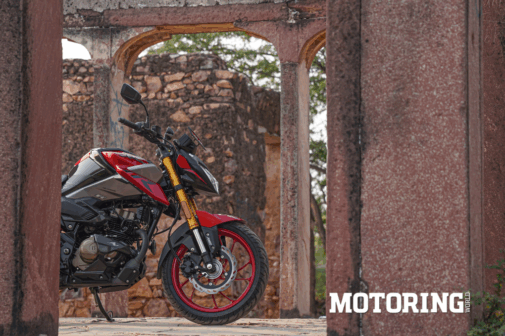
The Xtreme 160R 4V has clearly grown more sophisticated, and its equipment list gives it an unusual talking point in this class. Yet the real measure of this update will be how naturally those features integrate into everyday riding. The styling has moved forward, and the technology makes a strong case for itself. Now, the finishing touches need to catch up. And that shouldn’t be too hard.