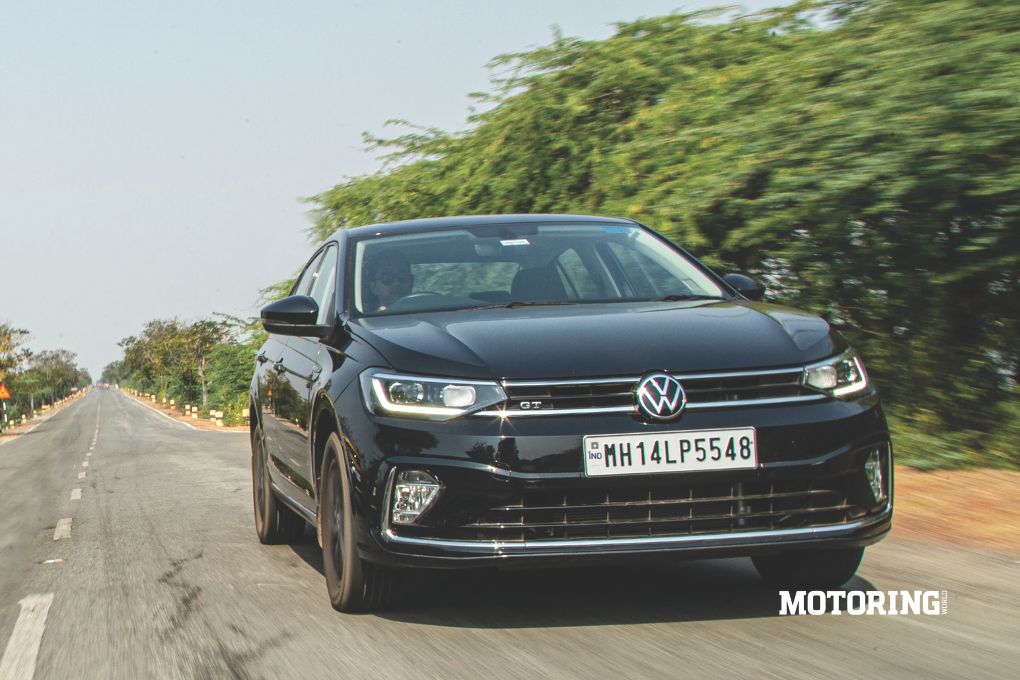


In the pre-SUV days, a sedan meant you had arrived. It carried a sense of authority that reflected success, a balance between professional ambition and personal aspiration. That idea never really went away; it just got buried under a tide of high-riding crossovers. The Volkswagen Virtus has spent the last few years quietly making the case for its revival, and the sales figures suggest it is working.
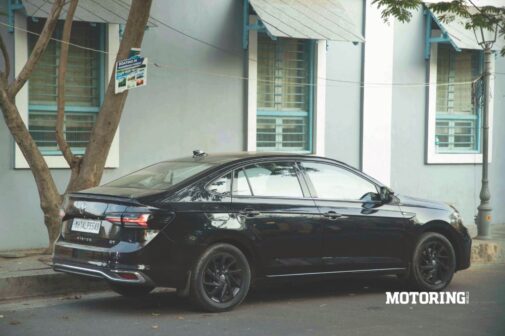
Built under Volkswagen’s India 2.0 programme at the brand’s Pune facility, the Virtus delivers the solidity that the badge has always promised, without the premium that imported engineering traditionally demands. Shut the door and the thud tells you everything: no flex, no suggestion that corners were cut to meet a price point. It’s clear that build quality has been recalibrated for local conditions, without being diluted.
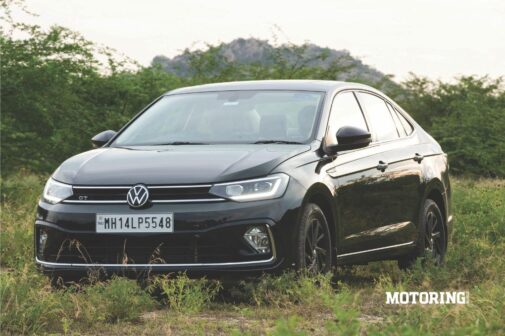
One of those conditions is the road surface, or the frequent absence of one. Volkswagen addressed this directly: the Virtus offers 179 mm of ground clearance, which is class-leading for the segment and sufficient for the vast majority of what Indian roads can produce. Importantly, the additional ride height has not come at the expense of handling. The chassis is composed and communicative, offering a balance through corners that SUVs in this price bracket cannot approach. On a winding road, the Virtus behaves like a car designed to be driven, rather than merely steered.
Two engines are available, and both make a coherent argument for the car. The 1.0-litre TSI produces 114 bhp and 18.15 kgm of torque, which is more than adequate for city use and pleasant company on a highway run. The 1.5-litre TSI steps things up to 148 bhp and 25.49 kgm of torque, paired with a seven-speed dual-clutch gearbox that is among the best units in the segment. In Sport mode, the responses sharpen and the car feels genuinely quick without becoming tiring. In its everyday setting, it is smooth, efficient, and undemanding.
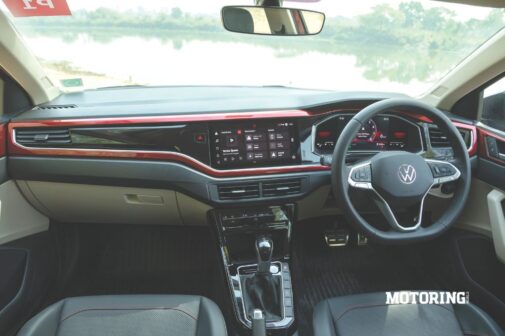
The cabin reflects the same considered approach. Materials are well-chosen, the driving position is properly sorted, and the overall sense of space is generous for the class. It presents itself equally well outside a corporate office and on a weekend run to the hills, which is a harder balance to strike than it sounds.
In a market where the SUV has become the default choice, the Virtus makes a different argument: that low-slung does not mean compromised, that a sedan can handle Indian conditions without apology, and that driving engagement still matters. For buyers who have not forgotten what a well-sorted car feels like from behind the wheel, it remains the choice in its segment.