

Now gets sharper electronics, a cleaner engine and optional carbon winglets
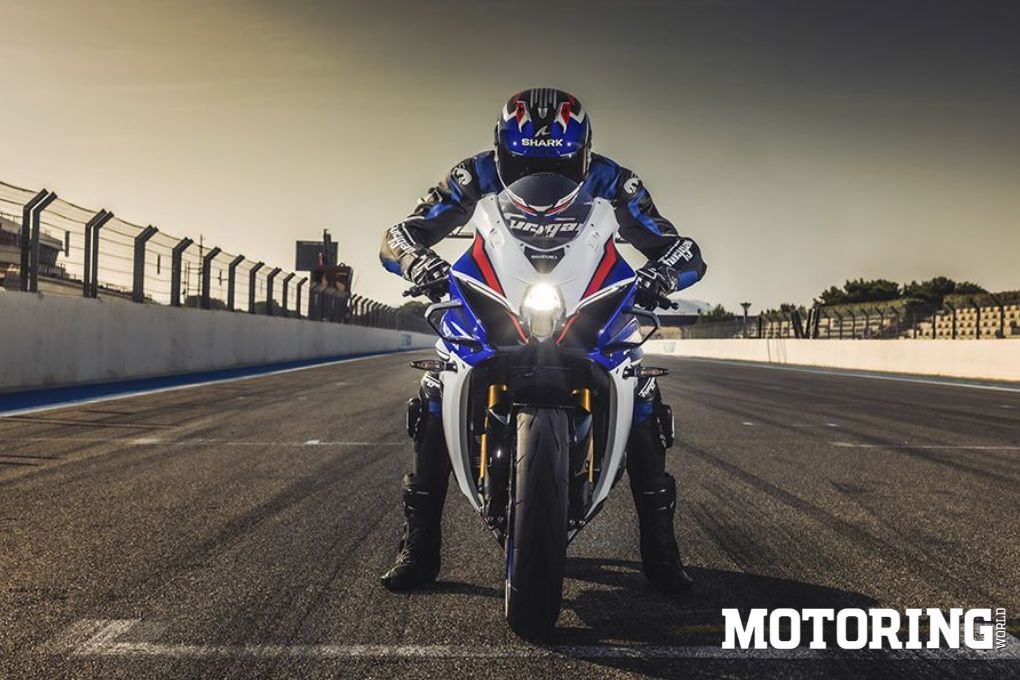
Suzuki has brought one of motorcycling’s most iconic names back into the spotlight with the unveiling of the updated GSX-R1000 and GSX-R1000R. After disappearing from several major markets due to tightening emissions regulations, the litre-class superbike returns for 2027 with a thoroughly revised engine, smarter electronics and a host of aerodynamic improvements aimed at keeping the legendary GSX-R relevant in an increasingly competitive superbike segment.
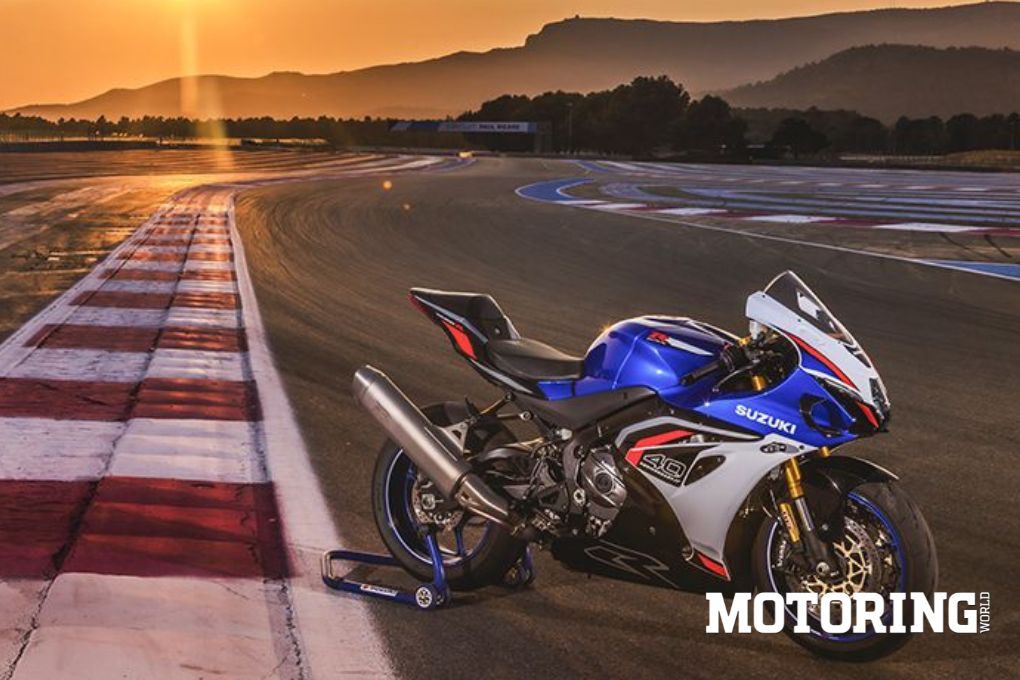
Rather than reinventing the motorcycle, Suzuki has focused on refining the formula that made the GSX-R1000 a benchmark in the first place. The biggest changes lie beneath the fairing, where the 999.8 cc inline-four has received a comprehensive overhaul to comply with the latest emissions and noise regulations without sacrificing the performance expected of a modern superbike. The updated engine now produces 192 BHP and 11.2 kgm, while internal revisions are also claimed to improve durability, an important consideration given the motorcycle’s long-standing association with endurance racing.
Suzuki has redesigned several key engine components, including the injectors, cylinder head, camshafts, valves, pistons and crankshaft. The valve lift remains unchanged, but the lift curve has been revised to reduce overlap, helping the engine meet stricter regulations while maintaining strong performance. The cam chain has also been widened to better withstand the demands of sustained high-speed riding, while a slimmer titanium exhaust system features a revised catalytic converter layout that balances cleaner emissions with improved packaging.
Aerodynamics have also received attention. Borrowing directly from the Team Suzuki CN Challenge motorcycle that competed at the Suzuka 8 Hours endurance race, the GSX-R1000R can now be equipped with carbon fibre winglets. These are designed to generate additional downforce and reduce front wheel lift during hard acceleration, improving stability when driving out of corners. Depending on the market, the winglets will either be offered as an accessory or fitted as standard equipment.
The electronics package has taken a significant leap forward too. Suzuki has introduced Anti-lift Control, which works alongside the six-axis IMU-based traction control and the new Roll Torque Control system. Together, these technologies form the Smart TLR System, constantly monitoring lean angle, wheel speed and vehicle attitude to optimise traction and torque delivery when accelerating out of corners. The result should be a motorcycle that feels more composed and confidence inspiring without dulling its performance character.
The familiar Suzuki Intelligent Ride System continues to offer a comprehensive suite of rider aids, including selectable riding modes, launch control, ride-by-wire throttle, a bi-directional quickshifter and cornering ABS. The GSX-R1000R also retains its premium Showa suspension package, comprising Balance Free Front Forks and a BFRC-lite rear shock, while a lightweight lithium-ion battery from ELIIY Power replaces the conventional unit to save weight and improve reliability across a wider range of operating temperatures.
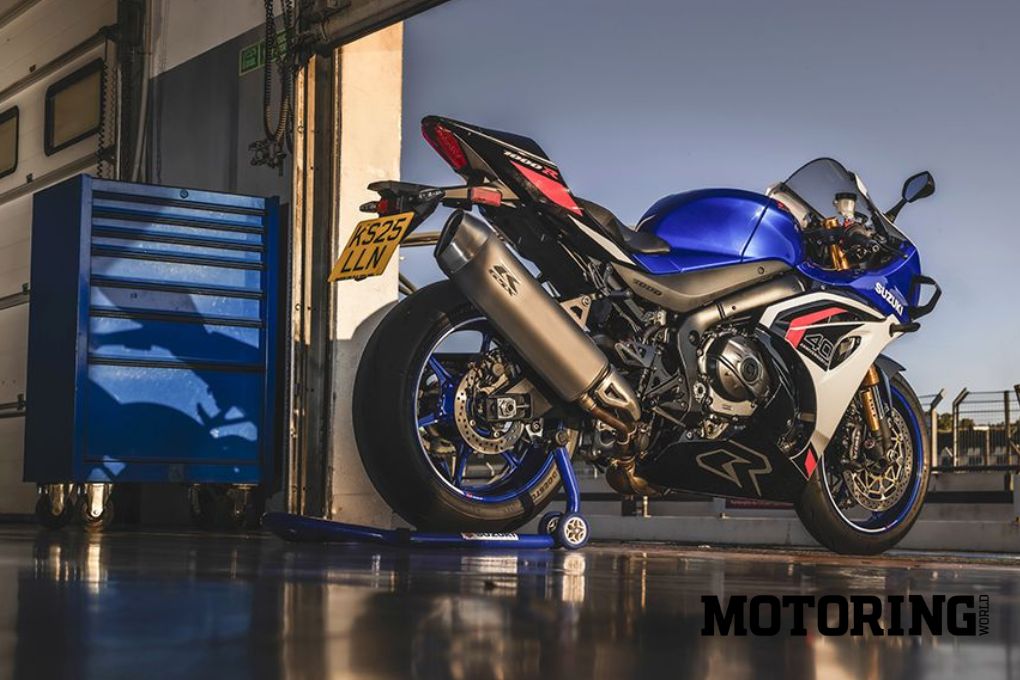
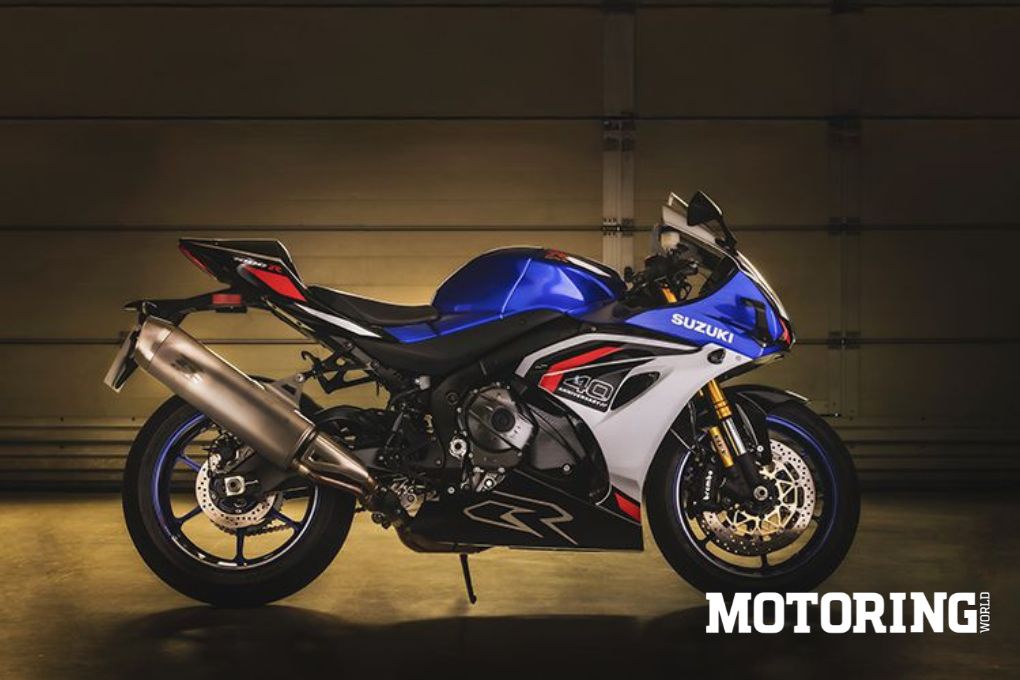
Visually, the updated superbike remains unmistakably a GSX-R. Suzuki has chosen evolution over revolution, introducing three new 40th Anniversary colour schemes that celebrate four decades of the GSX-R lineage. Special anniversary graphics appear on the fairing, fuel tank and key, while GSX-R logos have been integrated into the seat and exhaust to reinforce the commemorative theme.
With the updated GSX-R1000 and GSX-R1000R, Suzuki has chosen to preserve the motorcycle’s core identity while ensuring it meets the demands of modern regulations and rider expectations. Cleaner, smarter and more technologically advanced than before, the latest GSX-R1000 demonstrates that there is still plenty of life left in one of motorcycling’s most celebrated superbike nameplates.