

With roughly 16,000 Balenos finding homes every month, it is easy to forget just how important this unassuming hatchback remains for Maruti Suzuki. It doesn’t generate the excitement of an electric flagship or a performance SUV, but it quietly does the job that matters most to a mass-market manufacturer: selling in large numbers. The Baleno has been central to Nexa’s growth, bringing a more premium experience to buyers who might otherwise have considered a conventional hatchback. Its success has helped establish that a hatchback can offer more than just practicality and affordability.
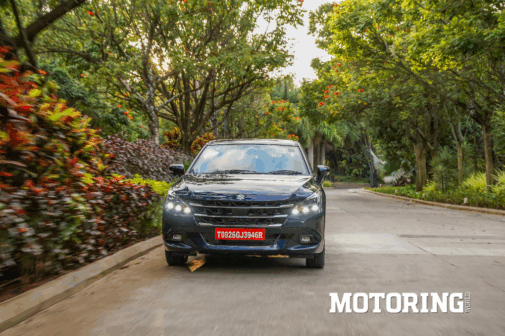
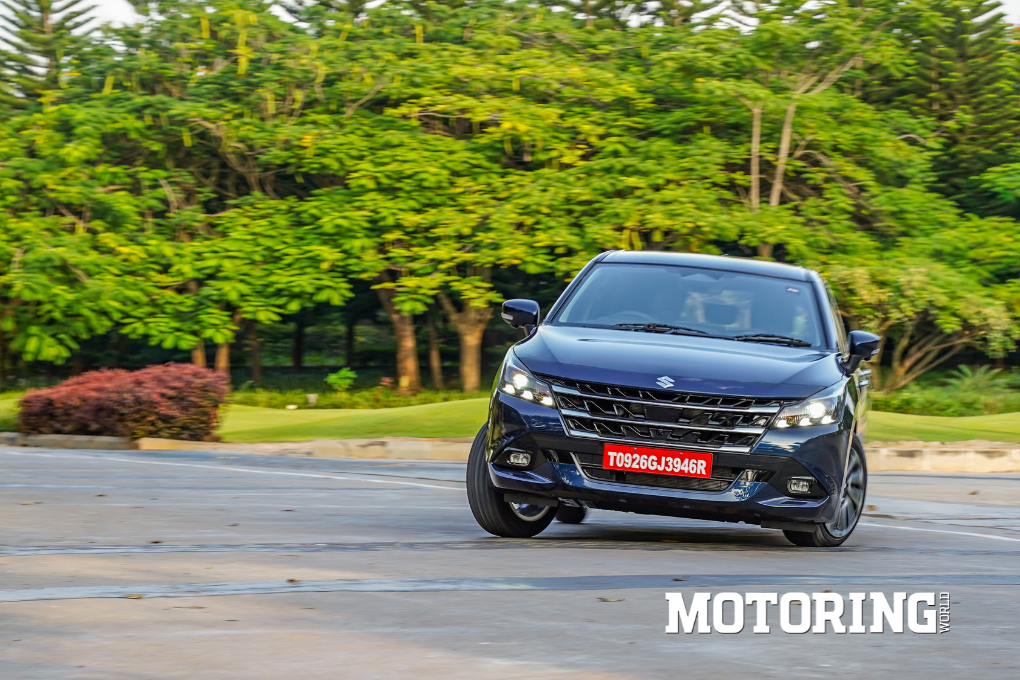
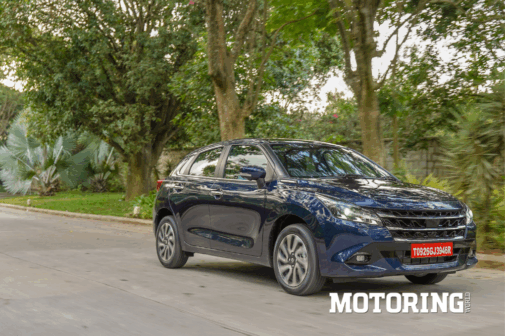
At Rs 6.09 lakh, the refreshed Baleno remains competitively positioned. This isn’t an all-new car, but there are enough changes to make it feel fresher. The biggest are at the front. The grille is now wider, with sleek black horizontal slats, while the bumper has been re-profiled, with redesigned fog lamp housings. The LED daytime running lights have also been tweaked, giving the nose a sharper appearance without disturbing the overall character. Move around to the side and the changes are more subtle. The silhouette remains essentially unchanged, which is probably wise. The Baleno has always had a clean, well-proportioned shape, and there was little reason to interfere with it. There are new 16-inch alloy wheels and a shark-fin antenna, while the familiar LED lighting continues to give the car a contemporary look. At the rear, the bumper receives minor revisions. There is also a new Enigmatic Teal colour.
The same restraint carries over into the cabin. The biggest addition, and perhaps the most appreciated in our climate, is ventilated front seats. The cooling function works quickly and effectively, drawing heat away almost immediately. The fan motors can be rather audible, but given how rapidly the seats cool you down, that’s a trade-off worth accepting. The equipment list is generous. The Baleno gets a 360-degree camera, wireless smartphone charging, automatic climate control and a height-adjustable driver’s seat. The Head-Up Display remains one of the more interesting features in this segment, projecting speed, navigation directions and other driving data into the driver’s line of sight. Space continues to be one of the Baleno’s strengths. The front seats offer plenty of room and support, while rear-seat occupants get respectable legroom and headroom. The boot is deep and practical, with enough room for multiple suitcases and luggage for a family road trip.
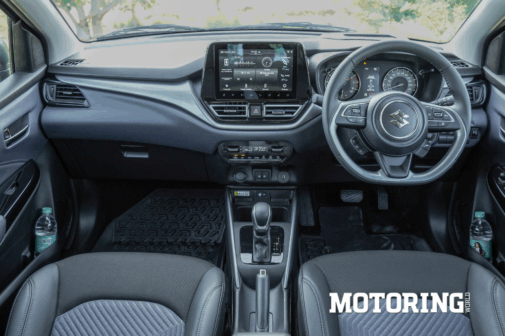
The biggest addition is undoubtedly Level 2 ADAS, bringing lane-keep assist, adaptive cruise control, and forward-collision warning and braking technology to the hatchback. We had the opportunity to test these systems, and the experience was reassuring. Adaptive cruise control maintained a safe distance and adjusted speed progressively, rather than with abrupt interventions. Lane-keep assist helped the car remain within its lane without constantly fighting the driver. Maruti has also recognised that Indian roads aren’t always ADAS-friendly. Instead of burying controls inside infotainment menus, the Baleno gets a physical button to deactivate the system. Anyone who has driven here knows there are times when ADAS intervention can become more of a hindrance than a help. Being able to switch it off quickly without navigating touchscreen menus is a thoughtful touch.
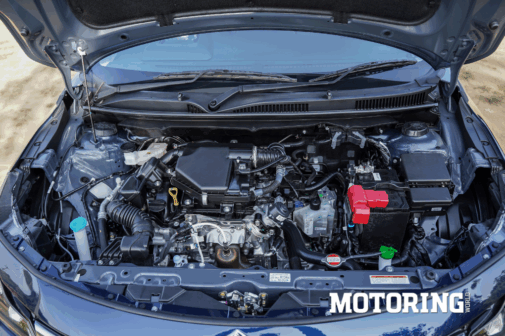
Under the bonnet is Maruti’s new 1.2-litre Z-Series petrol engine, developing 83 bhp at 5,700 rpm and 113 Nm between 4,300 and 4,500 rpm. It can be paired with either a five-speed manual or an AMT. On the move, the engine feels predictable and easy-going. Maruti says it has worked on low-end torque, and there is a noticeable improvement in the way it gets away from a standstill (particularly useful in stop-start traffic). The AMT, however, could do with further calibration, as shifts can occasionally feel pronounced. The new engine also suits the Baleno’s character. There is no great surge of power, but it responds cleanly to throttle inputs and feels willing enough around town. The manual should suit drivers who want more control, while the AMT is aimed at buyers who want convenience above all else. Its occasional hesitation between ratios is noticeable, particularly when you ask for a quick burst of acceleration, but otherwise it is easy to live with.
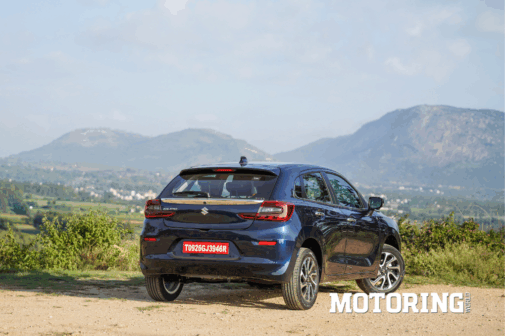
The driving experience is uncomplicated. The controls are light, visibility is good and power delivery is linear. The ride quality is equally impressive. Even at triple-digit speeds, the Baleno remains composed, while broken roads and speed breakers are dealt with without unsettling the cabin. The driving position is easy to settle into, and there is enough room for adults in both rows. That matters, because the Baleno’s appeal has always been broader than its badge or equipment list. It needs to work as a commuter during the week, and as a family car on the weekend. It remains easy to drive, easy to park and sufficiently comfortable for longer journeys. The additions feel like sensible responses to how people actually use their cars, rather than technology added simply to make a specification sheet look impressive. The steering remains light enough for urban use, while the suspension does a good job of keeping the body settled when the road surface deteriorates. That balance suits the Baleno particularly well in traffic.
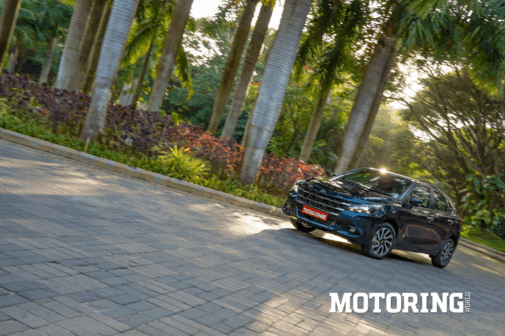
The updated Baleno is a case of Maruti knowing when not to mess with a winning formula. The company has resisted sweeping changes and focussed instead on safety, convenience, comfort and a little more visual appeal. Ventilated seats add genuine value, the styling keeps the car fresh, the Z-Series engine improves urban manners, and Level 2 ADAS brings technology that was once confined to much more expensive cars. At Rs 6.09 lakh onwards, the Baleno remains the bread-and-butter Maruti we have always known, but with better equipment, more comfort and a stronger safety proposition. At a time when almost everyone seems to want an SUV, that makes this unassuming hatchback rather more interesting than its sales numbers might suggest.