

After years of teasing, testing and carefully curated previews, the first-ever Range Rover Electric has finally arrived, bringing zero-tailpipe-emission motoring to the original luxury SUV without, thankfully, turning it into some sort of rolling science experiment.
Instead, JLR has taken the rather sensible approach of making an electric Range Rover first and an electric vehicle second. The result is a machine that promises to be quieter, quicker to respond and, rather amusingly, more torquey than any Range Rover that has come before it.
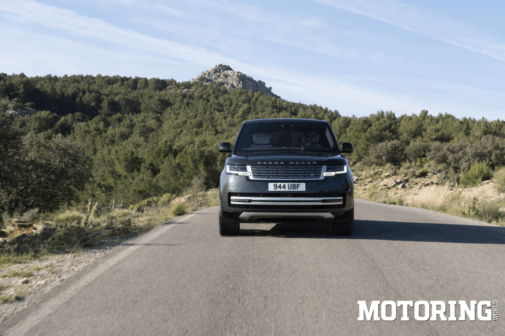
Underneath that familiar, minimalist bodywork sit two permanent-magnet electric motors, each producing 260 kW. Combined, they deliver up to 542 bhp and a substantial 850 Nm of torque. That is enough to propel the Range Rover Electric from 0 – 100 kph in as little as 4.3 seconds, which is probably more urgency than anyone expects from something designed primarily to waft its occupants around in leather-lined serenity.
The headline range is equally impressive. The 118.5 kWh usable lithium-ion battery gives the Range Rover Electric a claimed WLTP range of up to 598 km, while JLR quotes a real-world range of up to 535 km. The battery uses an 800-volt architecture and can accept charging at up to 350 kW. Using one of the fastest compatible DC chargers, a 10-80% charge takes around 22 minutes, while 10 minutes on the plug can add up to 220 km of WLTP range.
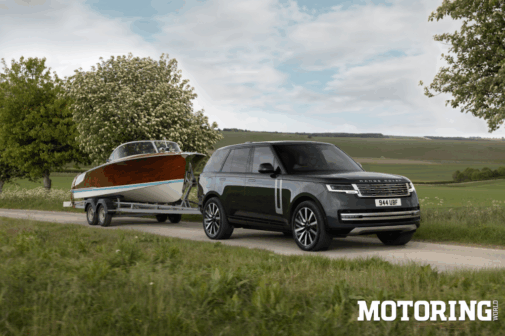
Naturally, Range Rover hasn’t forgotten what these things are actually supposed to do. The Electric has been engineered to retain the brand’s all-terrain ability, rather than becoming an expensive, electrically powered city lounge. Its new Integrated Traction Management system can control motor speed in as little as 50 milliseconds, which JLR says is up to 100 times faster than an equivalent combustion-engine system.
That matters when the terrain gets slippery. The system works alongside Intelligent Driveline Dynamics, which can distribute rear torque from 100% to zero to prevent traction loss. There is also a new Single Pedal mode, allowing the Range Rover Electric to pull away smoothly on slopes of up to 33 degrees and tackle rolling climbs of up to 45 degrees.
And yes, it can still go swimming.
The electric Range Rover can wade through up to 900 mm of water, meaning that the arrival of batteries and motors has not suddenly made a muddy puddle into an existential crisis.
The chassis gets twin-chamber air suspension and a lower centre of gravity, which should help the big SUV feel more composed when pointed at something resembling a road. JLR has also spent an extraordinary amount of time making sure that electric propulsion doesn’t compromise the fundamental Range Rover experience. Development has included more than 1.5 million kilometres of physical and virtual testing, along with more than 250,000 hours of virtual testing.
Testing has taken the Electric from the -40°C conditions of Arjeplog in Sweden to the heat of the Dubai desert and JLR’s Eastnor Castle facility in the UK. There is plenty of cleverness hiding beneath the skin, too. The battery is a double-stacked unit using 344 prismatic cells, while silicon carbide semiconductors in the motors help balance efficiency and performance. JLR’s ThermAssist heat management system can add up to 40km of range and reduce heating energy consumption by 40 per cent, while a Battery Digital Twin monitors more than 900 diagnostic data points to help with serviceability.
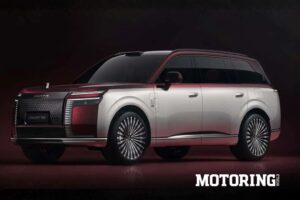
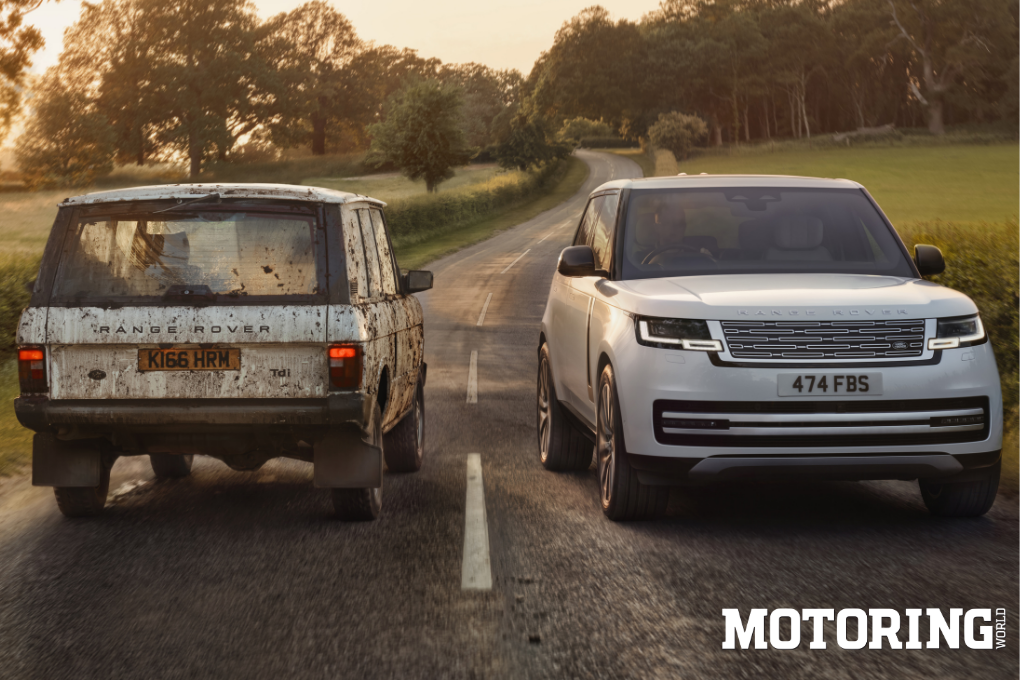
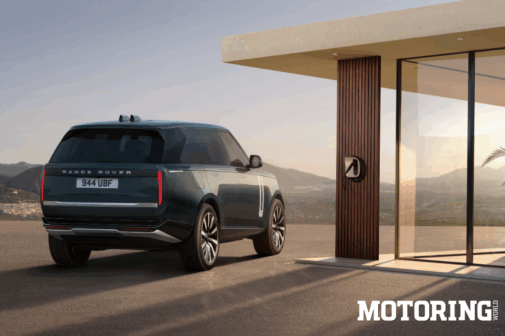
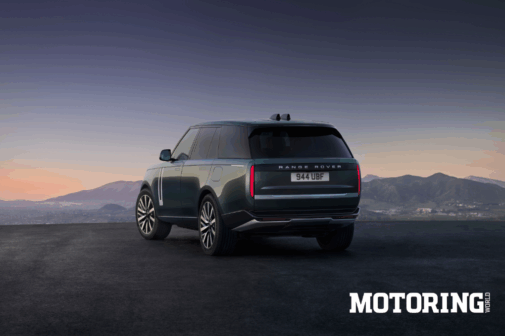
Visually, however, the Range Rover Electric has resisted the temptation to shout about its green credentials. The silhouette remains unmistakably Range Rover, with the electric hardware integrated beneath familiar proportions. There are subtle aerodynamic changes, including a redesigned grille, wheels and underbody, all intended to improve motorway efficiency.
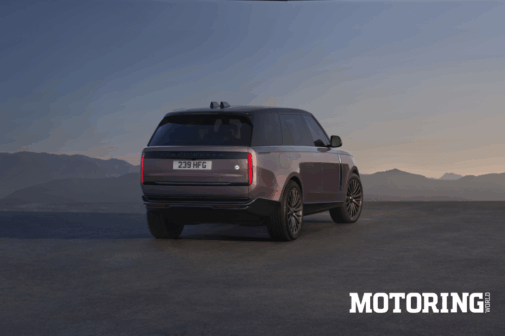
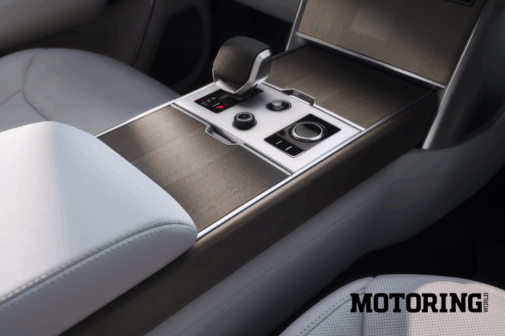
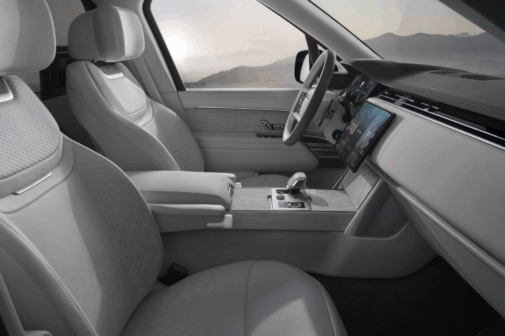
Inside, the emphasis is predictably on serenity. The absence of an internal-combustion engine should make an already quiet cabin even quieter, while the Curated First Edition gets a choice of Belgravia Green, Santorini Black or Varesine Blue exterior finishes. The cabin uses new Light Cloud Ultrafabrics PU and Kvadrat materials, keeping the luxury theme intact without relying entirely on traditional leather.
The first electric Range Rover is being built at Solihull, the spiritual and manufacturing home of the nameplate since 1970. JLR has also invested heavily in electrification at its UK facilities, with 9,000 manufacturing employees in Solihull trained for electrification and a further 1,500 colleagues across the wider West Midlands.
It is, in other words, considerably more than a battery-powered version of an existing Range Rover. It represents a fairly important moment for the brand.
Range Rover has always been about effortless performance, enormous capability and an almost suspicious ability to make difficult terrain feel like a minor inconvenience. The Electric simply changes what is providing the effortlessness. And with 850Nm available without waiting for a gearbox, turbocharger or combustion engine to get its act together, it might just be the most effortless Range Rover yet.