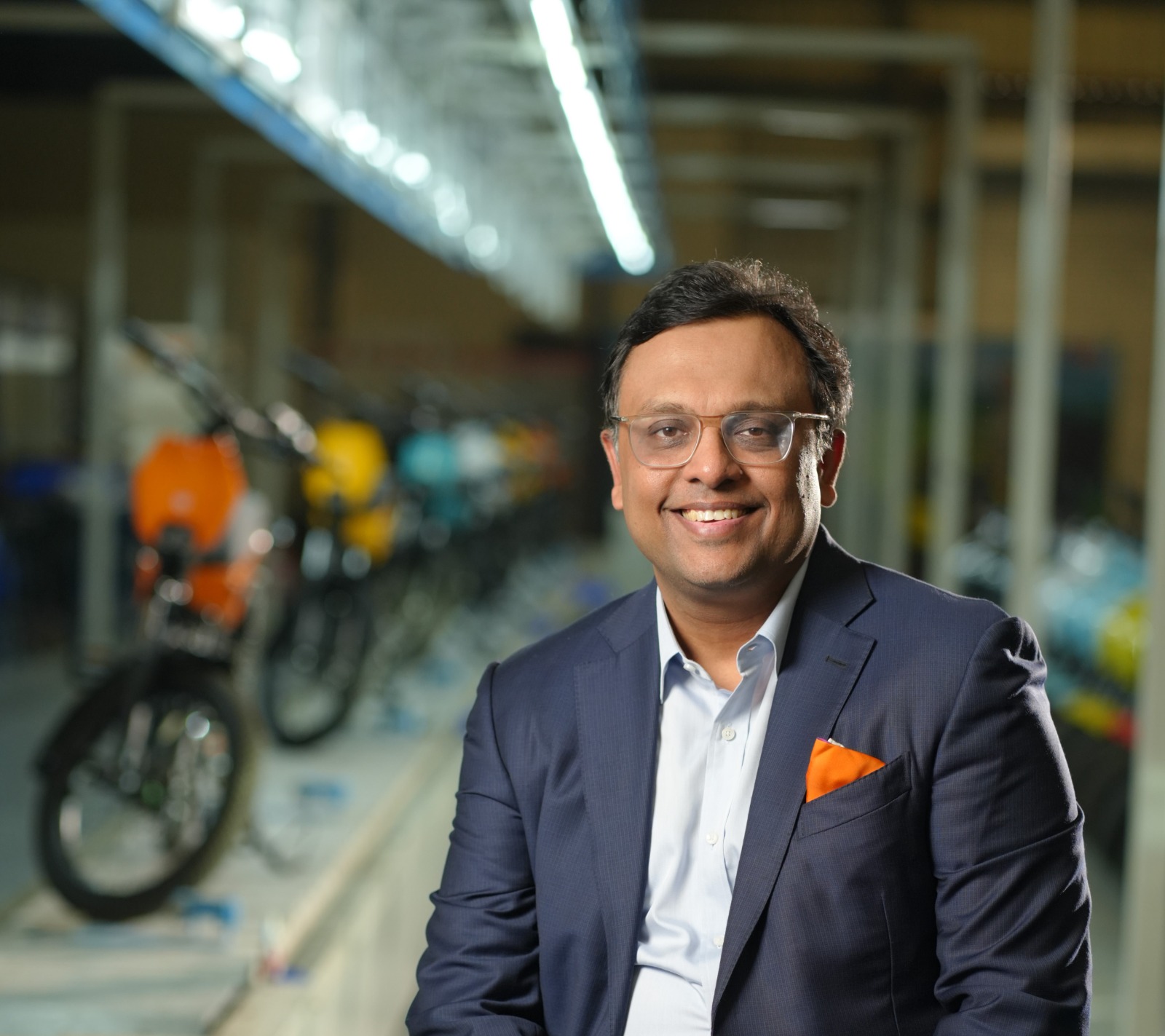


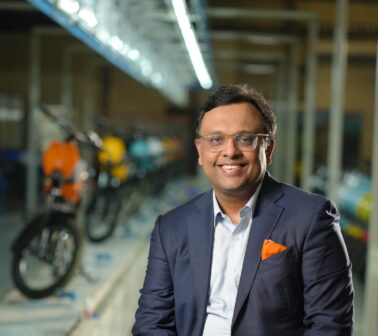
Motoring World (MW): The EV space today is dominated by legacy brands focusing on personal mobility. Where does Motovolt fit in?
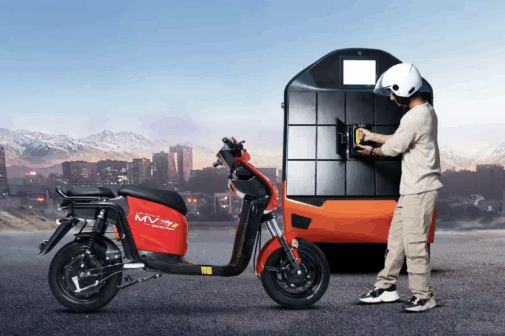
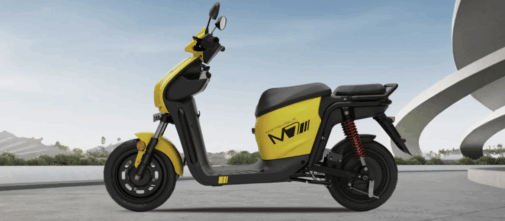
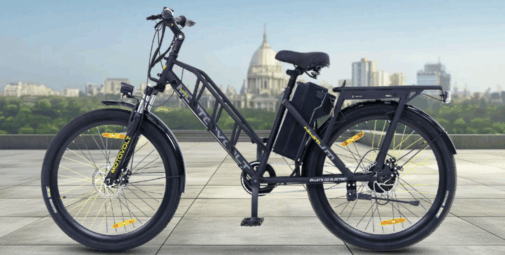
Tushar Choudhary (TC): Most EV products today cater to B2C users and are priced upwards of ₹95,000–₹1 lakh. But the reality is that 70–80% of India earns under ₹4 lakh annually. At Motovolt, we’re building for this mass market. Our products start from ₹25,000 for non-registered categories and go up to ₹55,000–₹60,000 for high-speed scooters (excluding battery). The idea is to make EVs truly accessible for urban India.
MW: You mentioned a new segment—EV commercial two-wheelers. What makes this category significant?
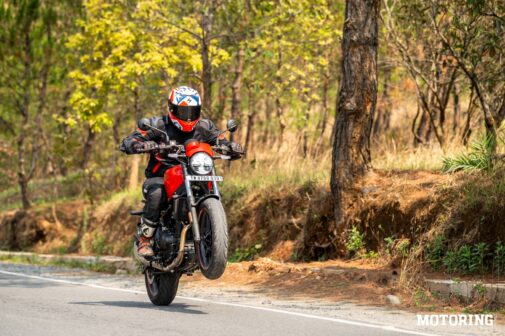
TC: This is an underserved but massive opportunity. Current EV scooters from brands like Ather, Ola, or TVS are built for personal use. But India has over 5 million gig workers—across e-commerce, food delivery, and bike taxis—who need reliable, long-distance mobility solutions. Existing products aren’t designed for 100+ km daily usage. We’ve developed a platform specifically for commercial use—durable, low-maintenance, and efficient.

MW: How is Motovolt tapping into this commercial ecosystem?
TC: We’re already working with companies like Domino’s, Zomato, Blinkit, Zepto, Rapido, and Flipkart. Beyond manufacturing, we’ve launched a Mobility-as-a-Service (MaaS) platform, offering vehicles on subscription to fleet operators and gig workers. We’re among the few OEMs combining product + service for this segment.
MW: Is this commercial focus driving Motovolt’s growth?
TC: Absolutely. The B2B segment is our biggest growth driver. We’ve already built a strong order pipeline of over 50,000 units, which validates both the product and the category.
MW: What kind of market size are you targeting?
TC: The EV commercial two-wheeler market has an annual demand of 5–6 million units. Currently, EV penetration is just 300,000–400,000 units. With the gig economy expected to grow to 20 million riders in the next 3–4 years, the opportunity is enormous—and we aim to lead this space.
MW: What innovations is Motovolt working on?
TC: We’ve partnered with global players—Germany-based EDAG for high-speed two-wheelers and VESC for advanced power electronics and controllers. These bring superior motor control, higher torque, and better ride experience. Our goal is to combine affordability, reliability, aspiration, and performance—something missing in today’s EV market.
MW: Tell us about your retail expansion plans.
TC: We currently have over 100 retail touchpoints. By next year, we plan to expand to 250, adding 120–150 outlets. This includes exclusive Motovolt stores as well as multi-brand outlets.
MW: Is AI playing a role in your products?
TC: Yes. Our motor controllers feature intelligent firmware that reads real-time vehicle data and auto-tunes performance based on Indian conditions. This is supported by advanced technology from Sweden, enabling better efficiency and durability.
MW: How is Motovolt contributing to sustainability?
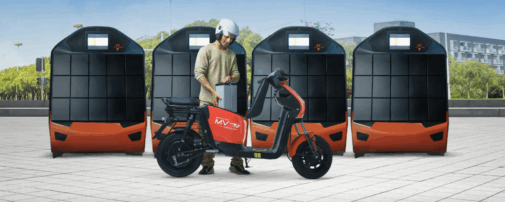
TC: Beyond being an EV brand, we’re incorporating recycled materials like plastics in our components. More importantly, our Battery-as-a-Service (BaaS) model helps users transition from ICE vehicles like the Splendor or TVS XL to electric, making sustainable mobility more accessible.
MW: Range anxiety remains a concern. How do you address it?
TC: Our BaaS partnerships with Sun Mobility, Indofast energy, and Yuma energy enable battery swapping, offering virtually unlimited range. Additionally, our in-house LFP batteries deliver an ARAI-certified range of up to 166 km.
MW: What’s been the key to Motovolt’s success so far?
TC: Identifying and solving for the commercial EV segment. We’ve built a multi-utility product that works across use cases, and the strong demand pipeline proves we’ve cracked a space that others overlooked.
MW: Finally, what is Motovolt’s long-term vision?
TC: To make electric mobility accessible to every common man in India.