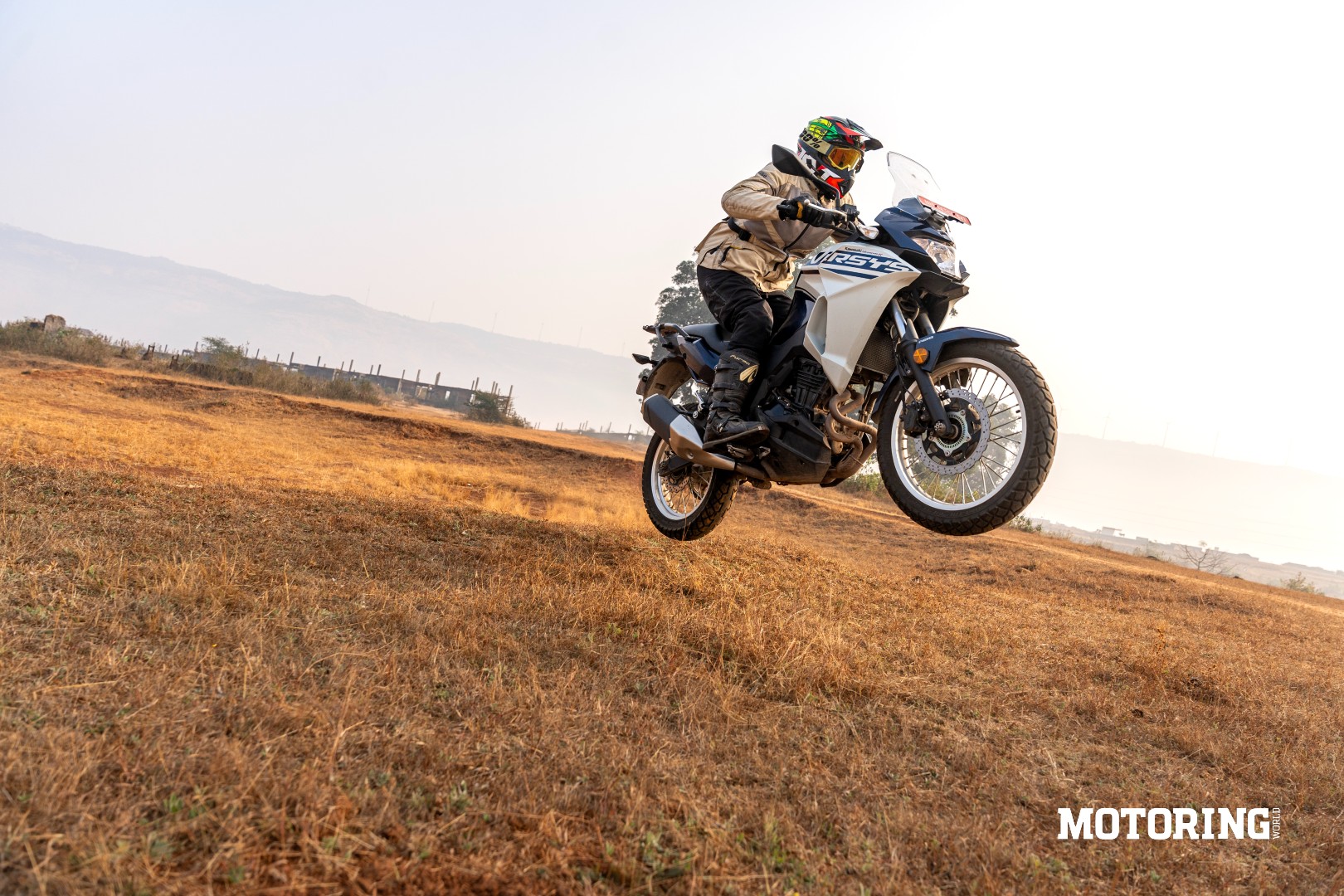


The Kawasaki Versys-X 300 was the first motorcycle I ever rode as an automotive scribe. It wasn’t to review the bike, but just a 50-odd-km return run to Kawasaki’s Chakan facility, cutting through the city, a stretch of highway and a few broken backroads in between. But that ride stayed with me. Not because the Versys-X did anything dramatic, but because it did everything comfortably, without asking for attention.
Eight years on, the adventure motorcycle segment has exploded. Bigger engines, more electronics and louder personalities. Somewhere in all that noise, my memory of the Versys-X 300 softened… until I found myself standing at the same facility again, waiting for the same motorcycle. Not that very unit, of course, but a mechanically identical one, save for a fresh paint scheme and the minor changes needed to meet the latest emission norms.
And that’s when the déjà vu kicked in.
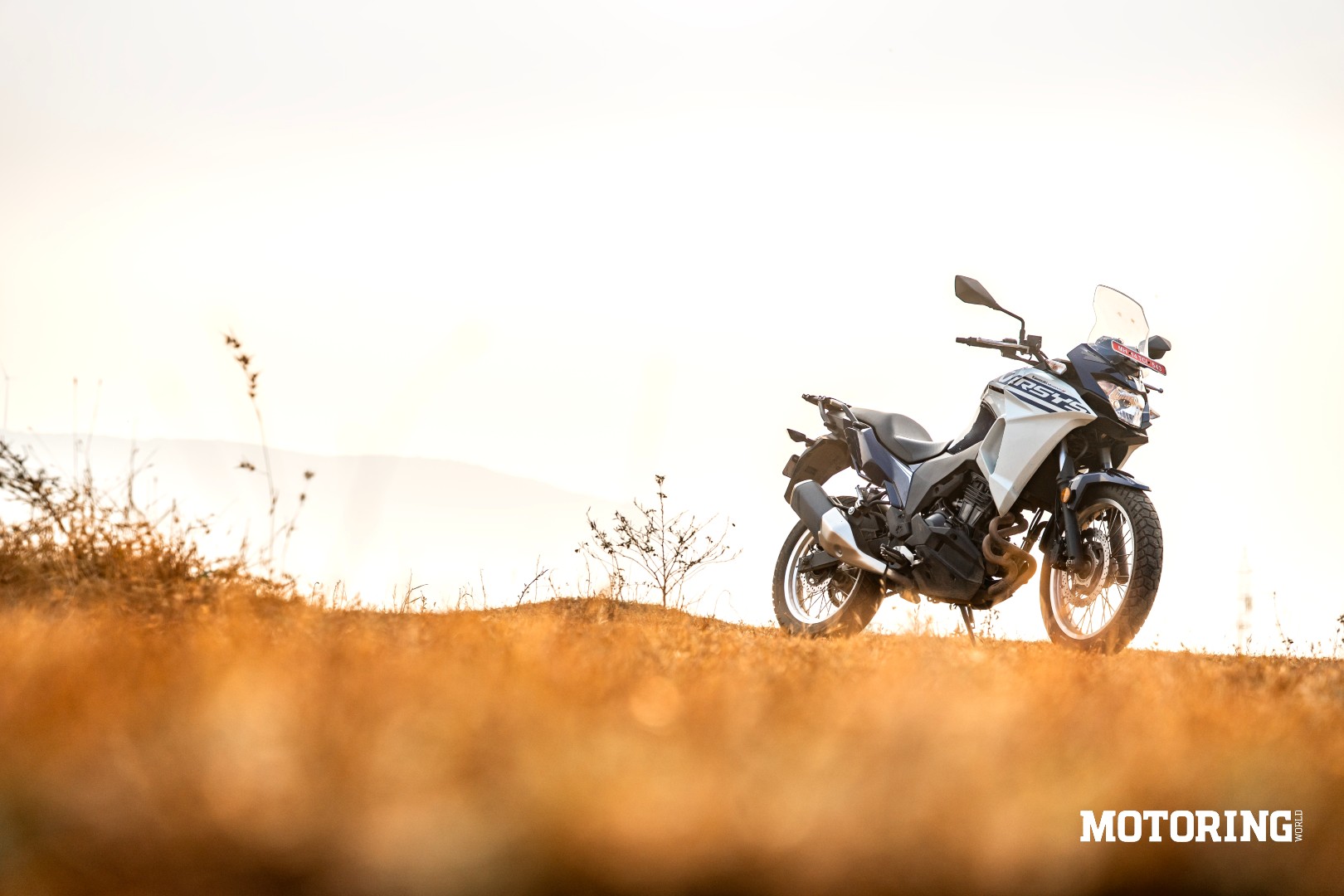
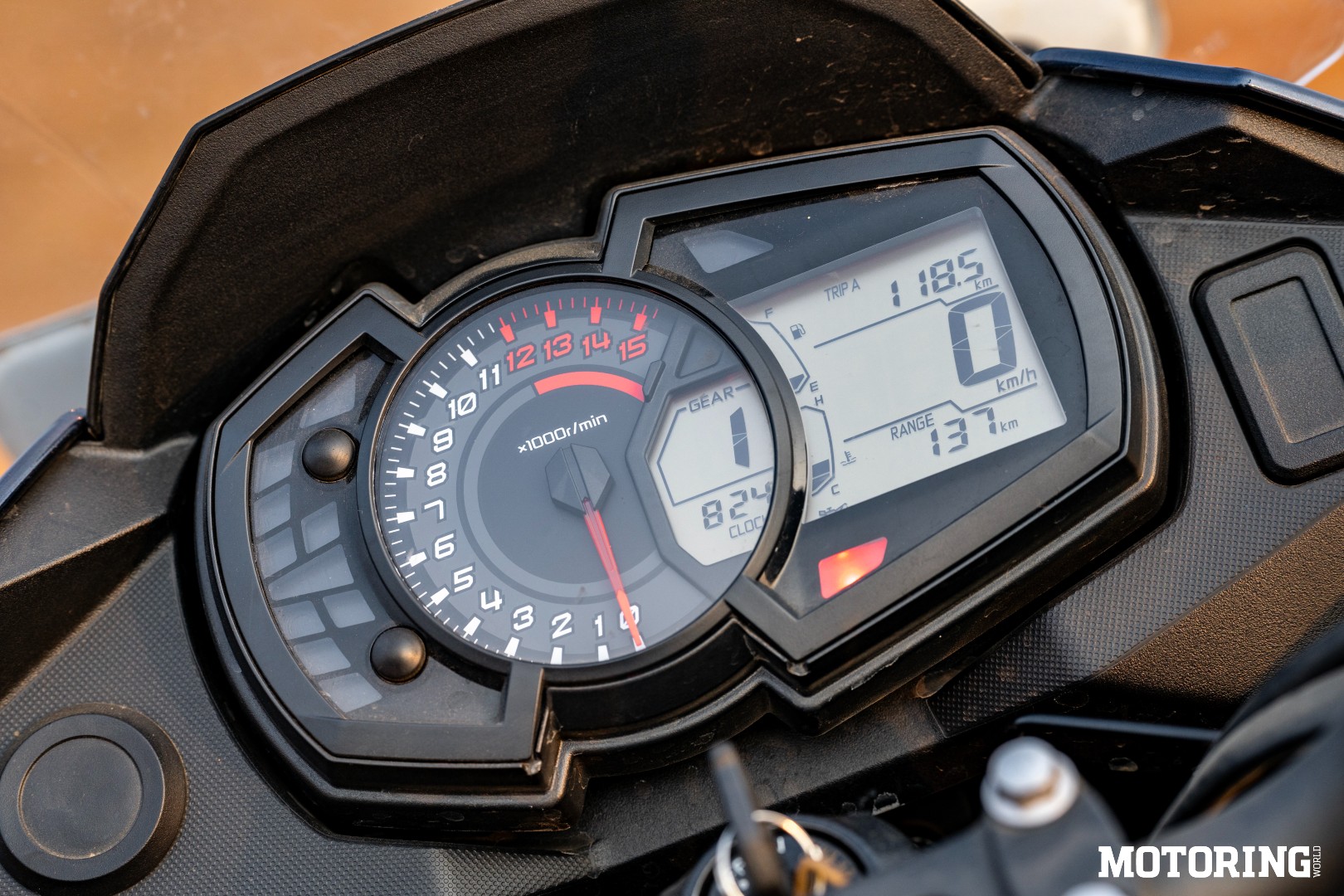
Even after all these years, the Versys-X 300 still looks appealing. There’s a simplicity to its proportions that hasn’t aged badly. Yes, it still uses halogen bulbs. Yes, the instrument console remains part-analogue, part-digital. Yes, the wire-spoke 19-/17-inch wheels still run tubes. But barring the lack of tubeless tyres, none of this bothered me. In fact, some of it felt oddly refreshing.
The halogen headlamp works better than the stock LED units on many modern motorcycles. The console shows you what you need and nothing more. And the analogue tachometer sweeping all the way to its 12,800-rpm redline adds a layer of involvement that TFT dashboards have quietly erased. There’s nothing to configure, no modes to cycle through. You just ride.
That philosophy carries straight into the way the Versys-X 300 rides. Even back when it was first launched, this was never a hardcore off-roader. The name tells you as much — Versys, short for Versatile System. It was built to be comfortable in the city, relaxed on the highway and capable enough to deal with rough roads. Eight years later, that hasn’t changed. What has changed is the segment around it.
Today’s ADVs don’t just bring more features and electronics; they bring more performance too. Against that backdrop, the Versys-X feels almost understated — but not confused.
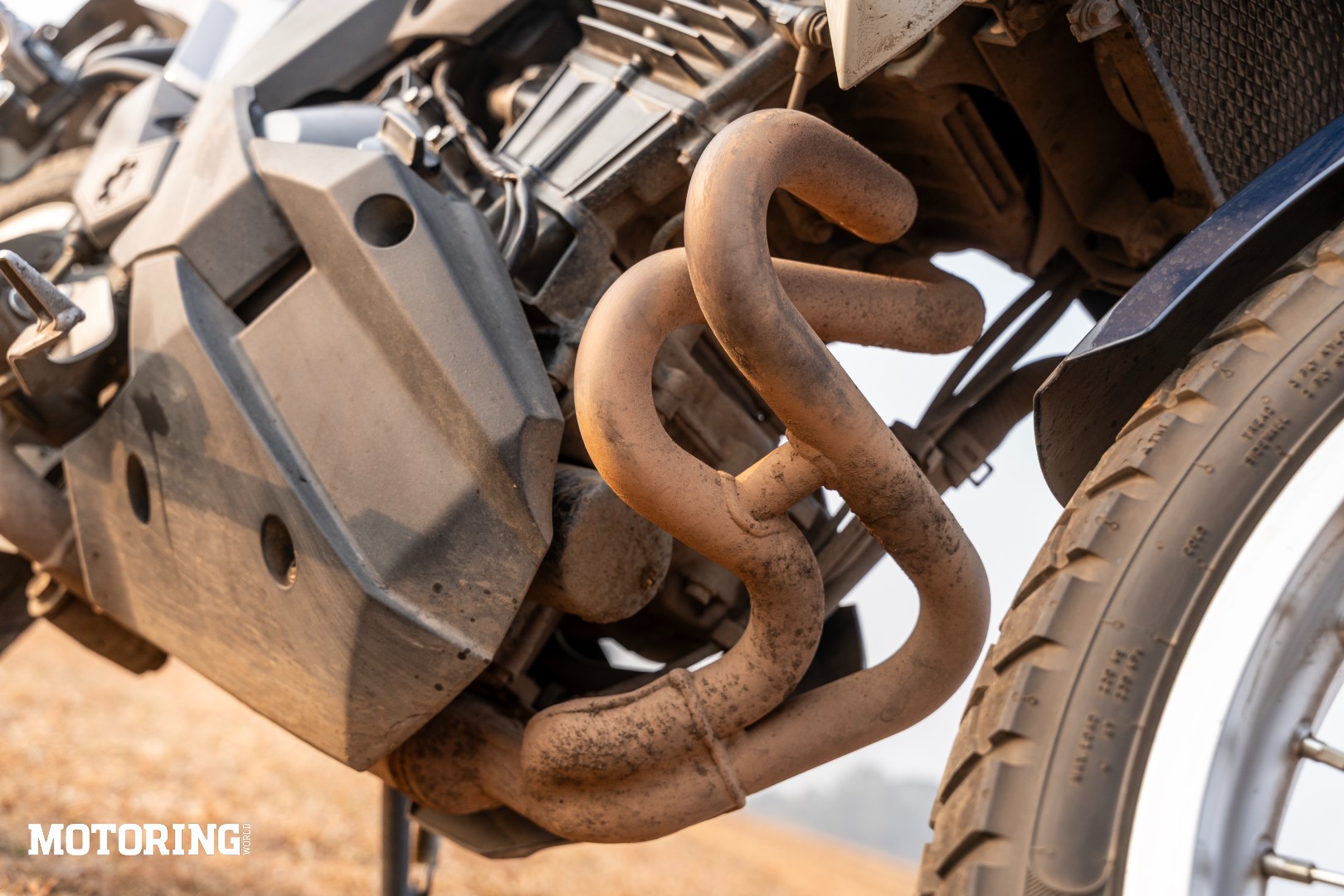
At the heart of it is the 296cc liquid-cooled parallel-twin engine, borrowed from the Ninja 300. It makes 39.4 bhp at a heady 11,500 rpm — figures that sound more at home on a fully-faired sportsbike than a mild-mannered tourer. And yet, this engine is the Versys-X’s greatest strength.
The first four gears are short, and I often found myself upshifting as early as 4000 rpm, partly because of the vibrations that creep in through the footpegs and handlebar, and partly because the engine simply doesn’t demand to be revved hard all the time. Despite its top-end focus, it is remarkably tractable. In sixth gear, it pulls cleanly from as low as 35 kph and keeps going all the way to 140 kph without complaint.
When you do decide to work the gearbox, the experience is genuinely satisfying. The clutch is light enough to operate with one finger all day, the shifts are clean, and the engine has that familiar Kawasaki smoothness once you’re in its comfort zone, which is oddly a mere 85 kph or post 120 kph. It can cruise lazily, or it can hustle — and that duality is something a single-cylinder motor would struggle to replicate.
Living with the Versys-X 300, however, does reveal its age. In traffic, the engine heats up quickly. The radiator fan does its best to push hot air away from your legs, but the area around the engine gets noticeably warm — almost like an air-cooled motorcycle stuck in rush-hour chaos.
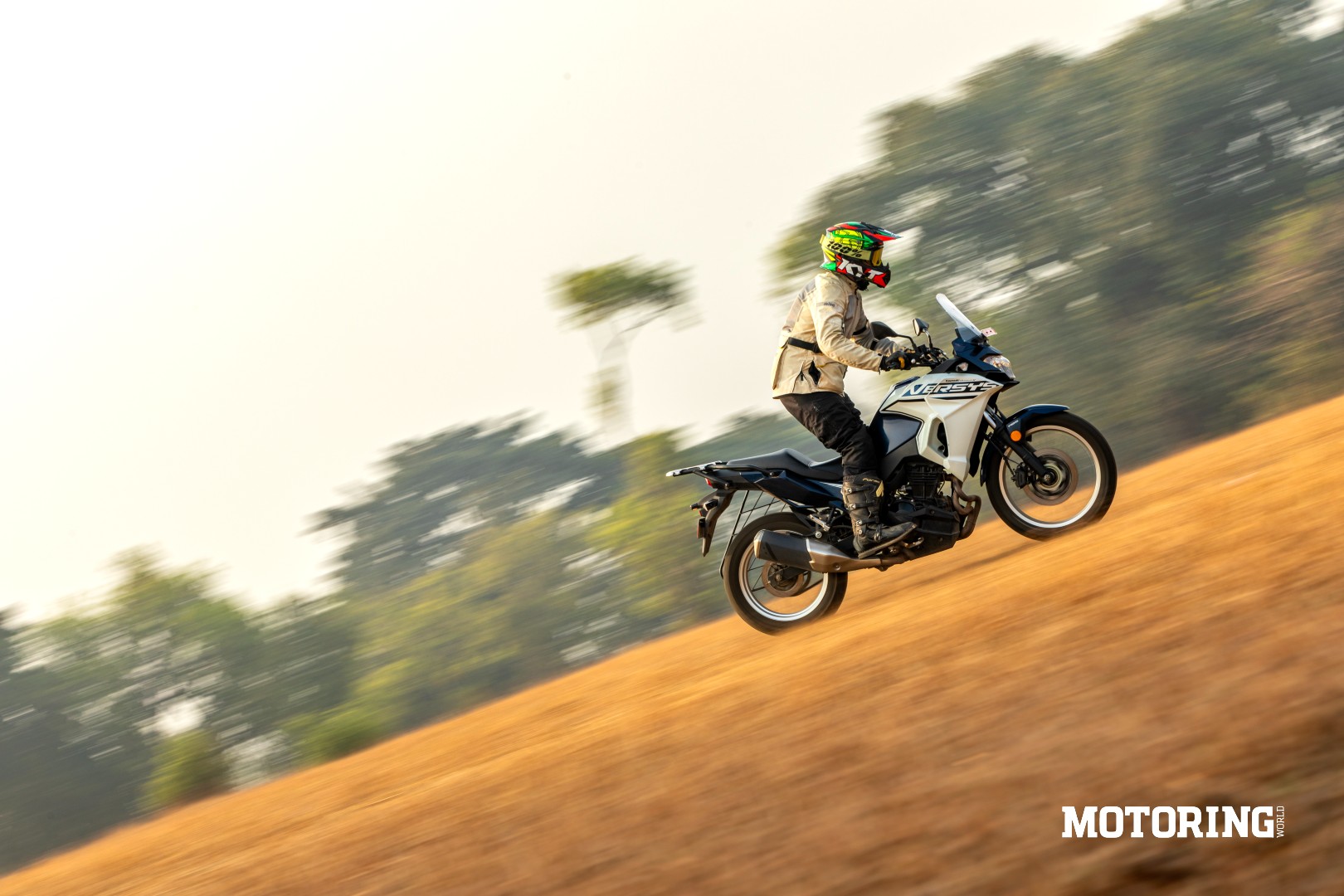
Push it hard off-road and the suspension is quick to draw boundaries. Rough roads, broken tarmac and everyday urban abuse are handled well, but once things get properly gnarly, the Versys-X makes it clear that it isn’t built for aggressive trail riding. The front brake, too, feels wooden — functional, but lacking bite or feedback when you’re riding at your (and the bike’s) limits.
Kawasaki has tried to sweeten the deal by pricing the Versys-X 300 at ₹3.49 lakh (ex-showroom) and offering panniers and a main stand as standard. That makes it better value than before, but realistically, this will only matter to riders who already understand what the Versys-X is about. For everyone else, the newer crop of ADVs offers more power, more features and more perceived versatility for similar money. Which brings us to the uncomfortable question: Who is this bike for?
This isn’t for a young rider looking for their first big motorcycle. Nor is it for an experienced rider chasing excitement or extreme capability. Does that make it a bad motorcycle? Not at all.
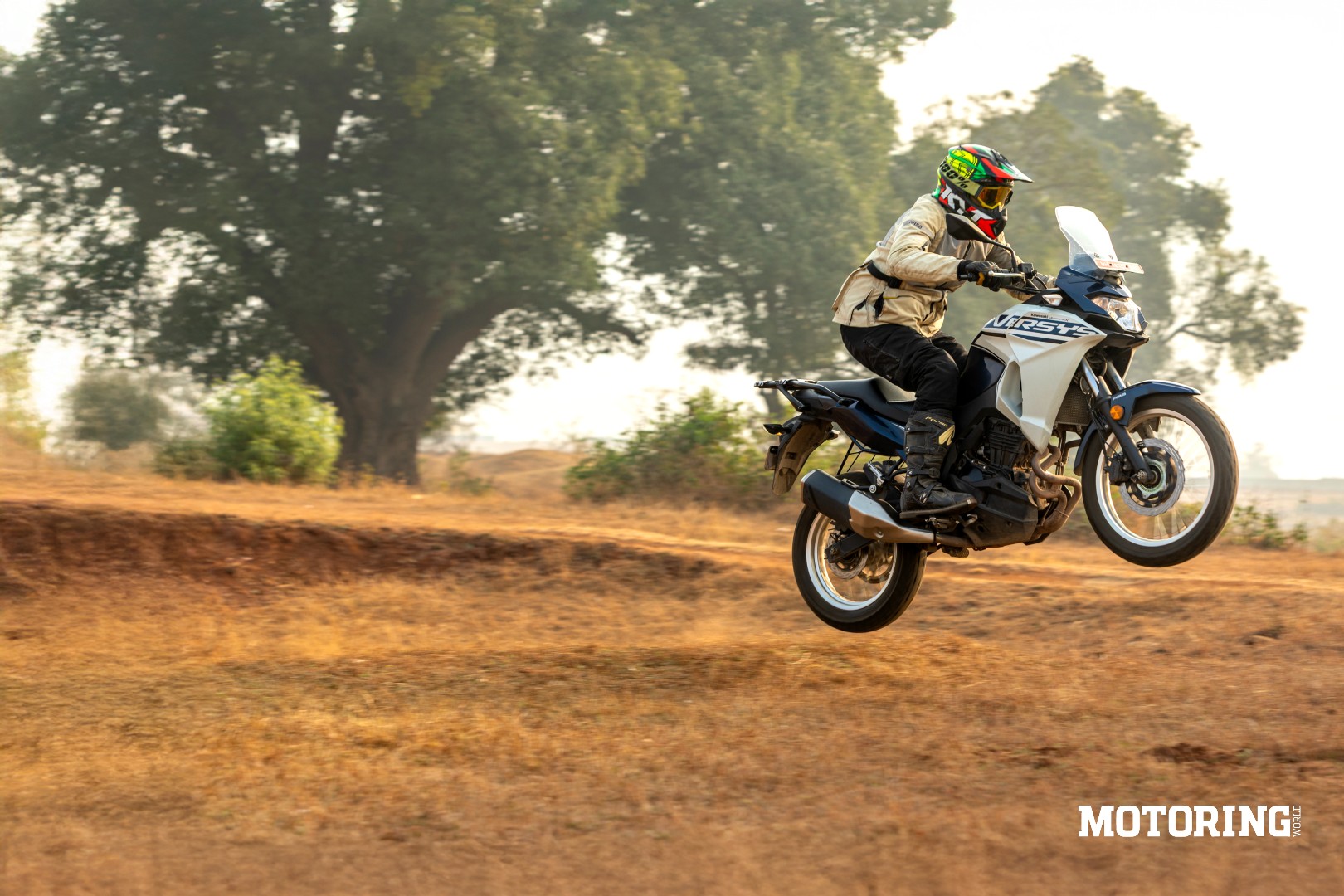
The Versys-X 300 isn’t meant for conquering trails or chasing spec-sheet supremacy. It’s a quietly competent tourer built around an old-school idea of riding. You load your bags, get on the motorcycle and keep riding. You enjoy the scenery, take the occasional detour, and never once stop to fiddle with electronics or settings to make the bike work for a particular surface. Most of the time, it just does — naturally.
Eight years after that first ride to Chakan, the Versys-X 300 hasn’t changed much. And neither, in many ways, has the feeling it leaves you with. In a segment obsessed with progress, that sense of familiarity feels almost rebellious.
Déjà vu, indeed.