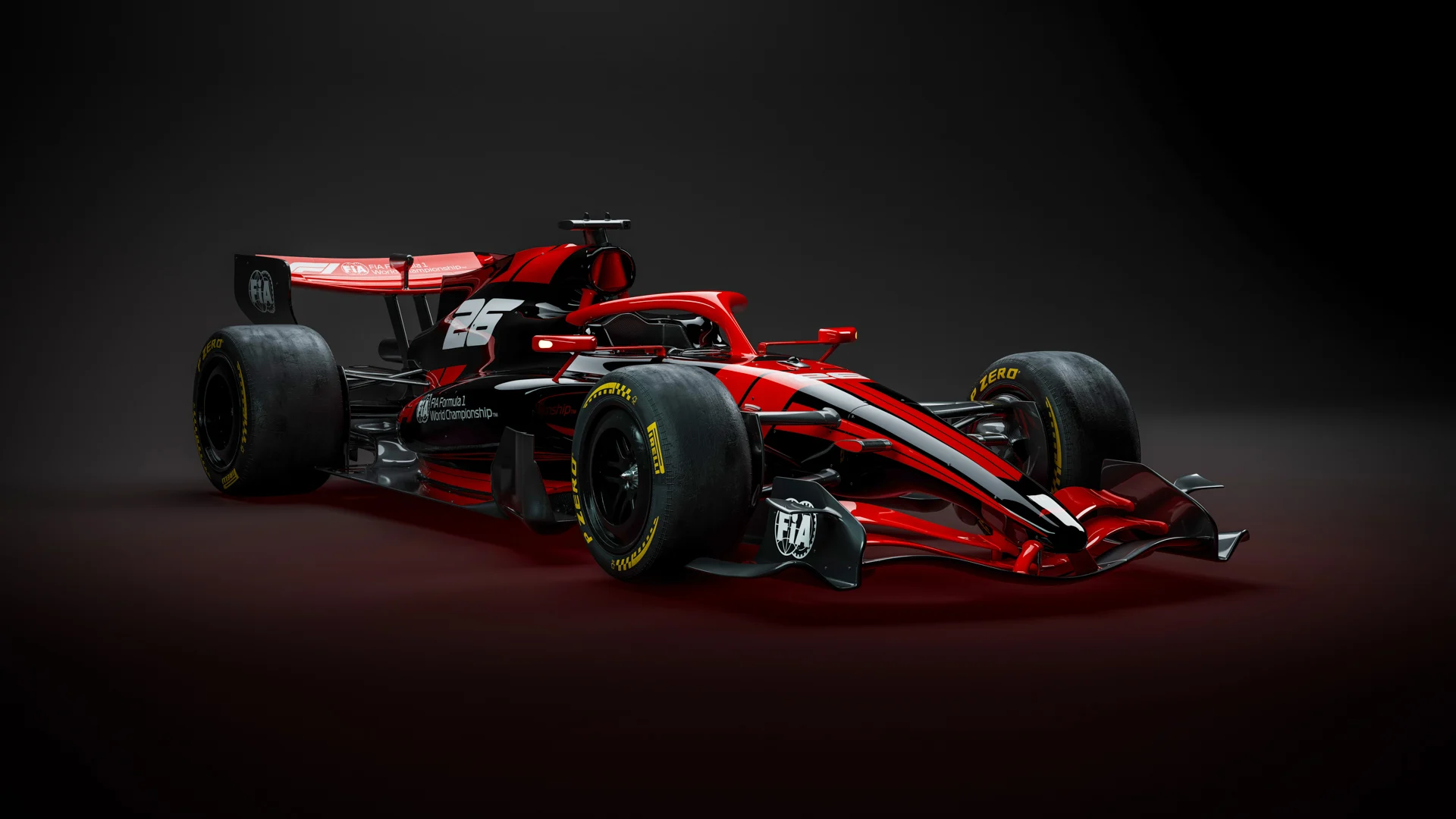


Formula 1 is heading for one of its biggest technical shake-ups in decades, with all-new regulations set to debut in the 2026 season. These changes are designed to make the sport more sustainable, more competitive, and more relevant to future road-car technology, while still preserving the thrill that defines Formula 1.
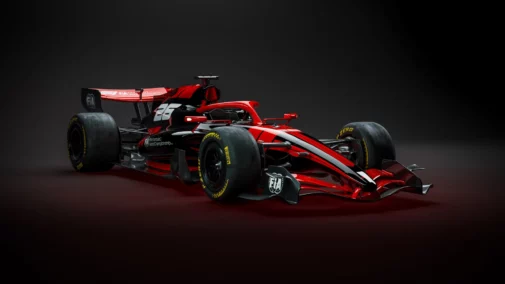
At the heart of the 2026 regulations is a completely revised power unit. F1 will continue with hybrid engines, but with a much stronger emphasis on electrification. The internal combustion engine (ICE) will still be a 1.6-litre turbocharged V6, but the electrical component will contribute nearly 50 percent of total power output, up from around 20 per cent today. This shift places F1 closer to modern electrified road cars while reducing reliance on fossil fuels.

Sustainability is a major pillar of the new rules. From 2026, F1 cars will run on 100 per cent sustainable fuels, developed to be carbon-neutral and compatible with existing internal combustion engines. This is a significant step toward F1’s goal of achieving net-zero carbon emissions by 2030 and positions the sport as a testbed for future fuel technologies.

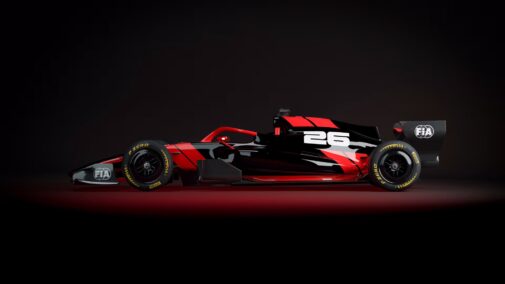
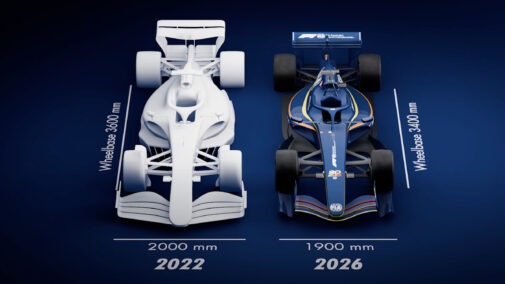
Aerodynamics will also undergo major changes. The 2026 cars will be smaller, lighter, and more agile than current machines. Active aerodynamics will be introduced, allowing cars to switch between low-drag and high-downforce modes depending on whether they are racing or defending. This is aimed at improving overtaking and reducing the ‘dirty air’ problem that has historically made close racing difficult.
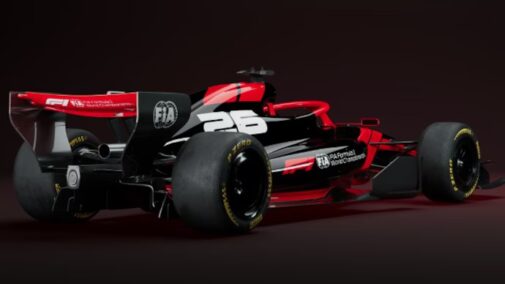
Another key focus is cost control and competitive balance. Power unit development costs will be capped, making it easier for new manufacturers to enter the sport. This has already attracted brands like Audi and encouraged Honda to recommit to F1 beyond 2025. Standardised components and simplified systems will also help keep costs in check and reduce performance gaps between teams.
From a racing perspective, the 2026 regulations promise closer competition, more strategic racing, and cars that reward driver skill. With lighter chassis, increased electric deployment, and active aero, drivers will need to manage energy more intelligently while pushing harder on track.In short, the 2026 Formula 1 regulations mark the beginning of a new era—one that blends cutting-edge performance with sustainability, innovation, and closer racing, ensuring F1 remains relevant and exciting for the next generation of fans.