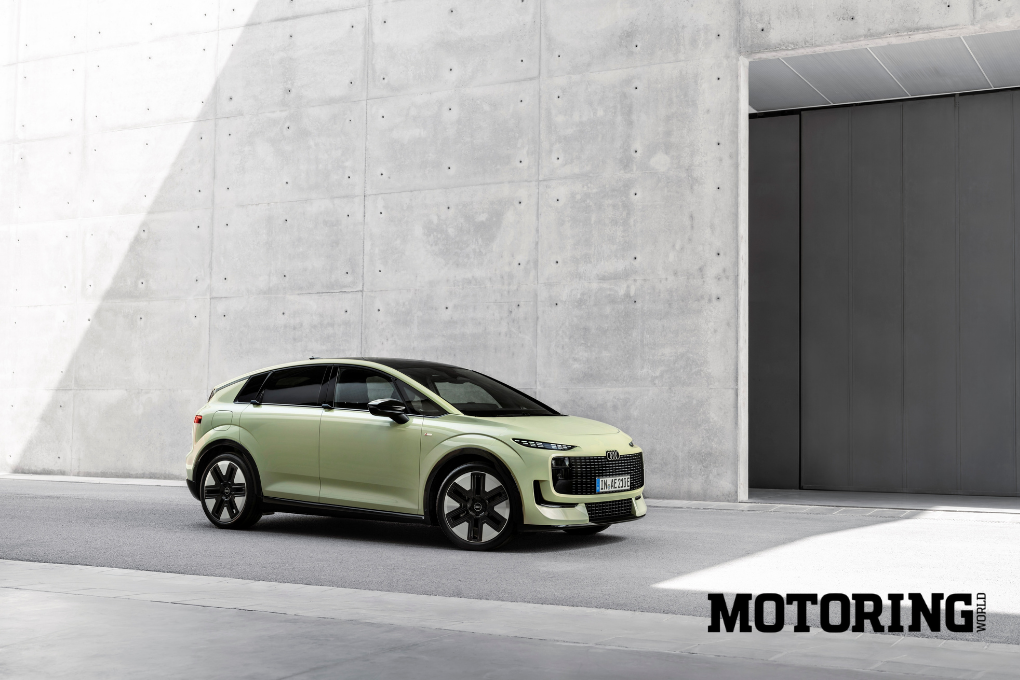


Audi has resurrected the A2 for the electric age, and instead of chasing outrageous power figures, it has gone after something considerably more useful: efficiency.
Audi has resurrected one of its most recognisable names for a very different era. The new A2 e-tron is a compact electric car that puts efficiency ahead of outright performance, using as little as 12.8 kWh of energy every 100 km. That makes it the most efficient production Audi ever, while offering up to 646 km of WLTP range.
Developed in Germany and built at Audi’s Ingolstadt plant, the A2 e-tron is designed specifically around the needs of European customers. Audi says it has also used the car to rethink how it develops and manufactures electric vehicles, bringing it to production 21 months faster than comparable predecessor models. Orders commence in Germany on September 10, 2026, with deliveries beginning in December. Prices start at € 38,200. (₹ 41.98 lakh)
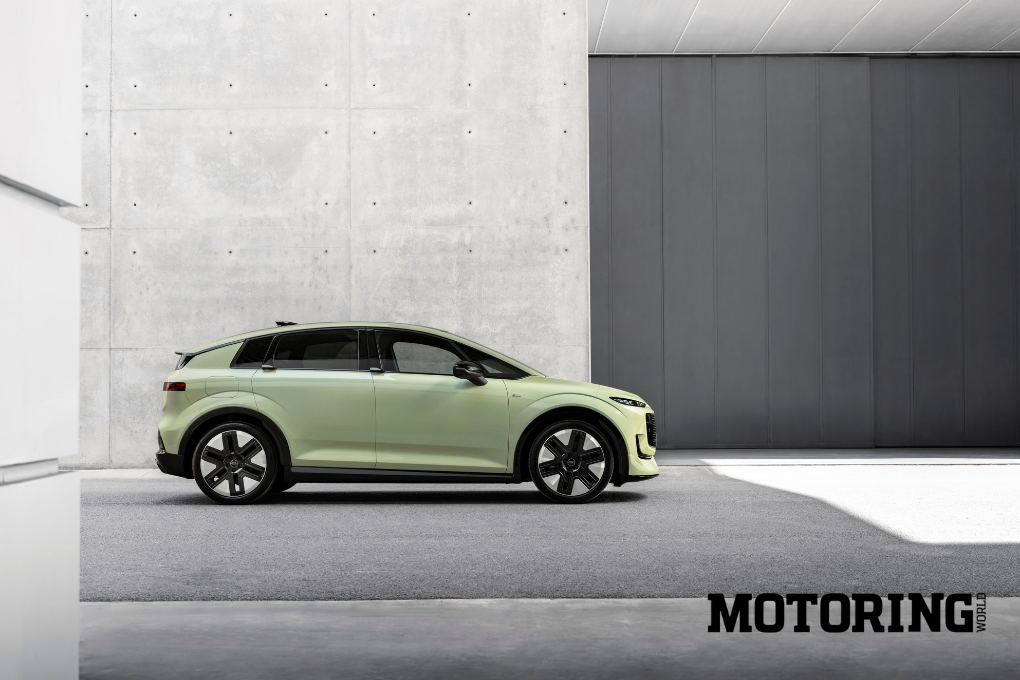

Efficiency is the name of the game
While most electric cars seem to be locked in an arms race over battery size, power and acceleration, the A2 e-tron takes a slightly more sensible route. Its efficiency figure of 12.8 kWh / 100 km comes from the 140 kW version fitted with the optional efficiency package, giving Audi its lowest-ever energy consumption figure. Aerodynamics play a major role. The A2 e-tron has a drag coefficient of just 0.24, the best figure in Audi’s compact segment. Its enclosed underbody, controllable cooling-air intake, aero-optimised wheels and clever wheel-arch gap reducers all work to reduce turbulence and drag. The result is a car that can travel up to 646 km on a single charge, depending on the configuration. There are three battery sizes available: 52 kWh, 61 kWh and 84 kWh.
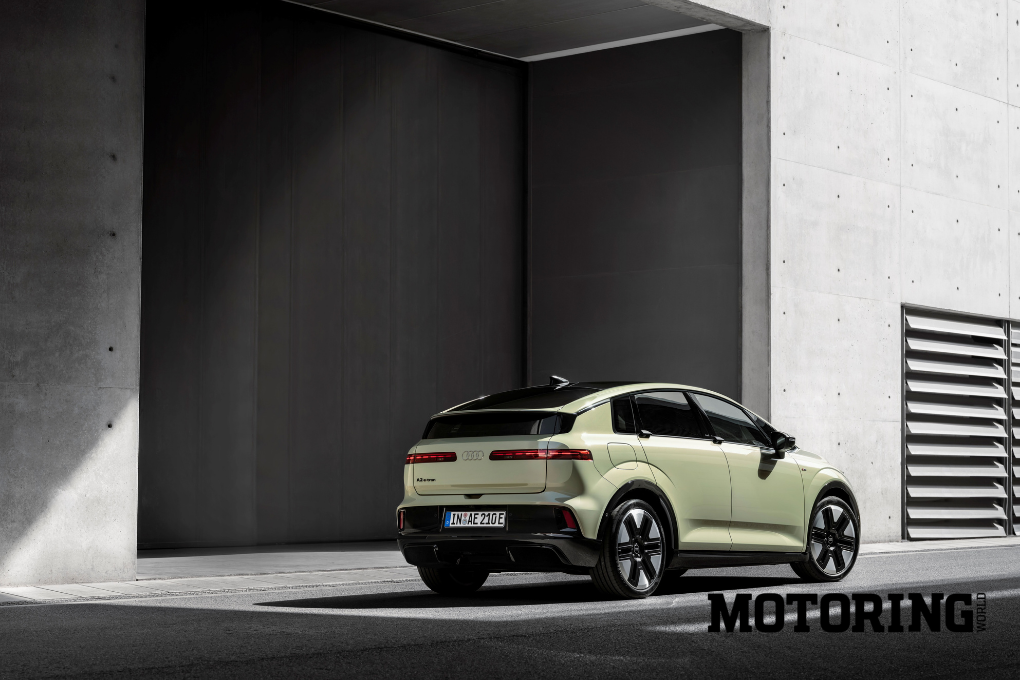
Four power options, rear-wheel drive
The A2 e-tron will be offered in four power levels, ranging from 125kW to 240kW. That’s approximately 168 bph to 322 bhp, while torque ranges from 350 Nm to 545 Nm.
The entry-level 125 kW version does 0-100kph in 8.8 seconds and has a top speed of 160 kph. At the other end, the 240 kW version manages the same sprint in 5.7 seconds and reaches 200 kph. All versions use rear-wheel drive and permanent-magnet synchronous motors. Audi has also fitted four recuperation levels, including one-pedal driving through the B setting.
Charging is reasonably brisk, too. The 84 kWh battery supports up to 183 kW DC charging and can go from 10 to 80 per cent in 29 minutes. The smaller 52 kWh battery takes 24 minutes at up to 100 kW, while the 61 kWh unit takes 26 minutes at up to 105 kW.
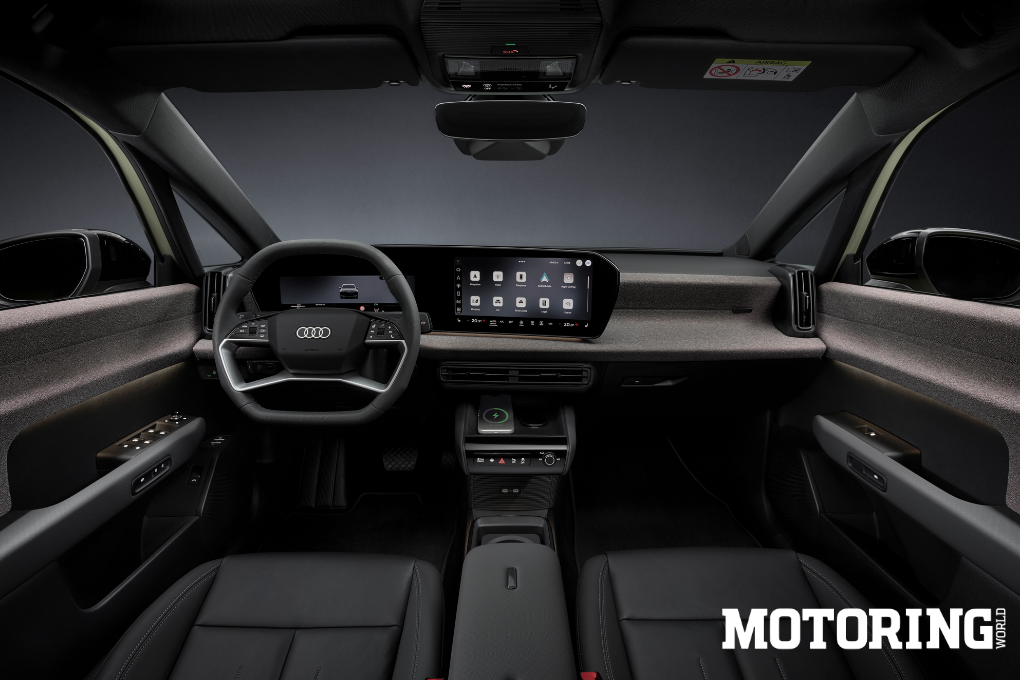
Small outside, surprisingly roomy inside
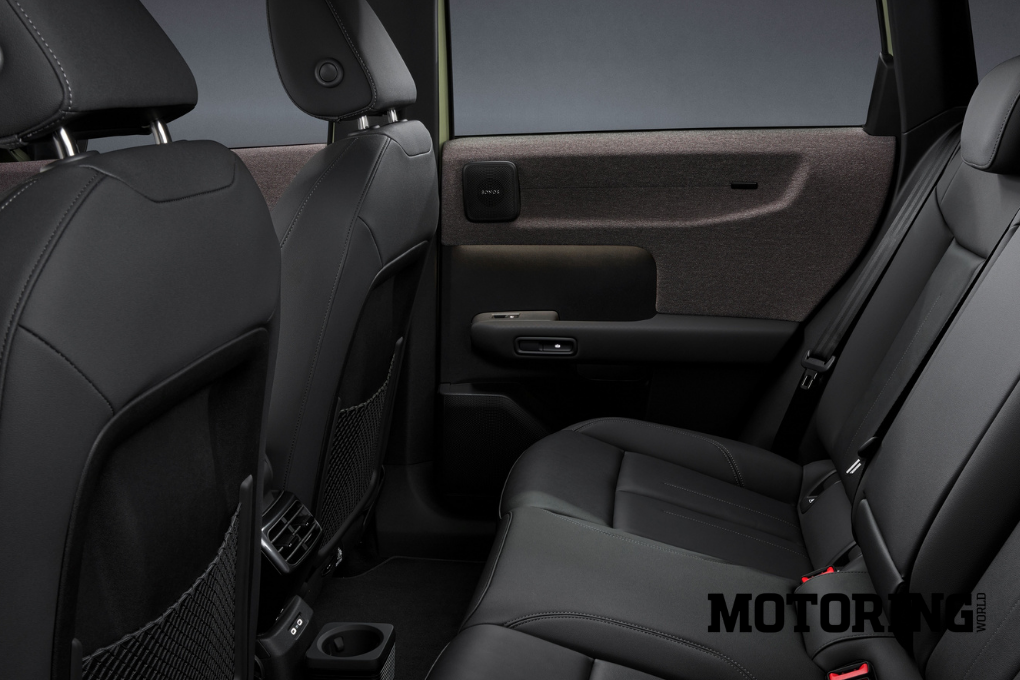
Despite its compact dimensions, Audi has concentrated heavily on interior space. The A2 e-tron gets a 2.77-metre wheelbase, a 396-litre boot that expands to 1,336 litres with the rear seats folded, and an optional 1.6-square-metre panoramic glass roof. The cabin also gets Audi’s latest digital kit, including an 11.9-inch Virtual Cockpit Plus and a 12.8-inch curved MMI touchscreen. An AI-powered Audi assistant, e-tron route planner and connected services are available, while the optional Sonos system brings 14 speakers and 660 watts of amplifier power.
One particularly neat touch is Audi’s use of the Fidlock magnetic fastening system as standard. It lets owners attach and secure things such as cup holders, storage bags and other accessories with a satisfying click.
It is clever about more than just energy
The A2 e-tron also supports bidirectional charging. Vehicle-to-Load allows it to power external devices, while Vehicle-to-Home can turn the car into a home energy storage system in Germany, Austria and Switzerland. Audi has also made a serious effort with recycled materials, using more than 300 components made from recycled steel, aluminium and plastics, with more than 100 containing post-consumer recycled material.
Perhaps most interestingly, Audi is using more than 1,200 existing production assets and around 250 robots at Ingolstadt to build the A2 e-tron. That means the car isn’t just designed to use energy efficiently. Audi is trying to build it efficiently too. The A2 name once stood for doing more with less. In electric form, Audi seems to have remembered exactly why.