

JSW MG Motor is preparing to expand the Hector family once again, but this time there will be no petrol or diesel engine involved. The Hector Tomahawk, the upcoming electric SUV from the brand, is set to make its India debut tomorrow and will bring the Hector nameplate into the growing seven-seat EV segment.
Based on the Wuling Starlight 560, the Tomahawk is expected to combine the familiar Hector’s focus on space and equipment with an all-electric powertrain. While the complete specifications will only be confirmed at the unveiling, the information available so far points towards a sizeable SUV with a single battery pack, a long claimed range and a cabin packed with technology.
Familiar name, completely new face
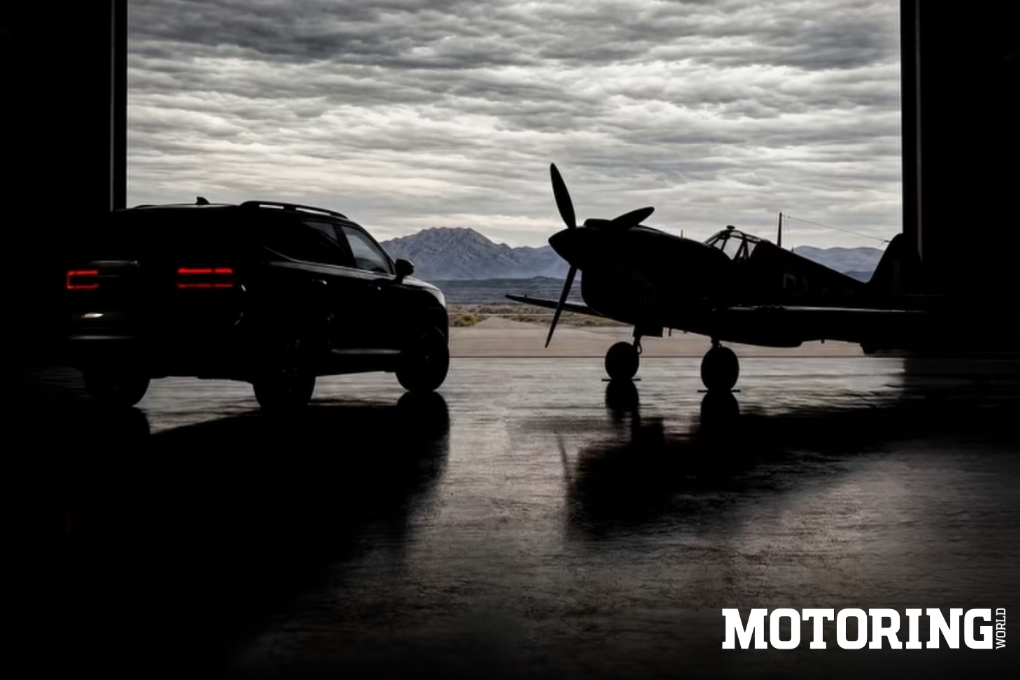
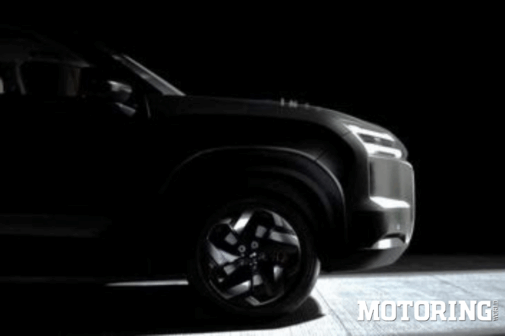
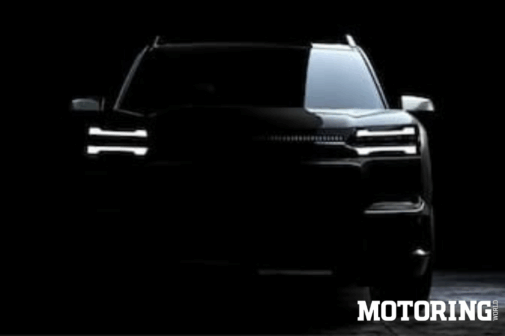
The Hector Tomahawk is expected to get a substantially different exterior from the existing Hector. Up front, the SUV appears to feature a new face with slim LED headlamps and distinctive H-shaped LED DRLs. With an EV powertrain underneath, the conventional grille is expected to make way for a closed-off design, while the sculpted front bumper should give the SUV a more substantial appearance.
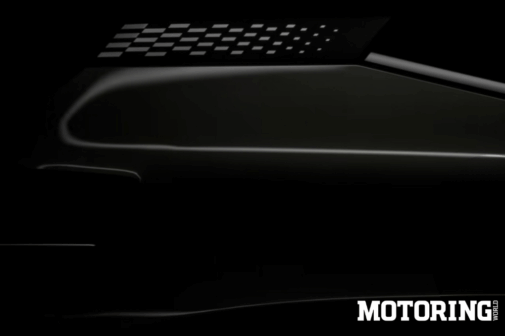
The profile looks equally imposing. Teaser images point towards large alloy wheels, black cladding around the wheel arches and body-coloured door handles. The tall roofline flows towards the rear, where an integrated spoiler adds a slightly sportier touch.
At the back, however, MG appears to have retained some of the visual DNA associated with the Hector. The Tomahawk is expected to feature sleek LED tail-lamps with clear lenses, a split-tailgate appearance and silver inserts on the rear bumper.
In other words, it looks like MG has taken the Hector formula and given it an electric makeover rather than simply sticking a battery underneath the existing SUV.
A minimalist cabin with a massive screen
Inside, the Hector Tomahawk is expected to take a more minimalist approach, with a dual-tone cabin and a large floating infotainment screen taking centre stage.
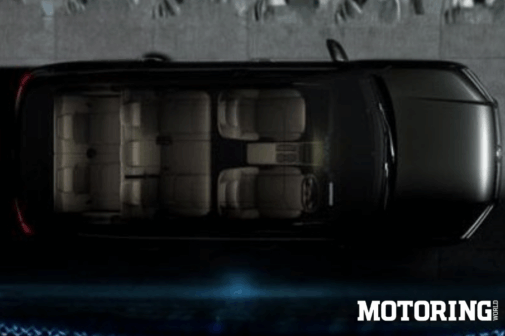
The touchscreen is expected to measure 12.8 inches and could also incorporate physical controls for functions such as climate control and ventilated seats. This should make the cabin feel considerably more modern, while hopefully avoiding the increasingly common trend of putting absolutely everything behind a touchscreen.
The dashboard is also expected to feature leatherette upholstery, adding to the premium feel of the seven-seat SUV.
Plenty of equipment on the cards
If MG’s reputation for loading its cars with equipment is anything to go by, the Hector Tomahawk should not be short on features.
Expected equipment includes wireless Android Auto and Apple CarPlay, connected car technology, a wireless phone charger, automatic climate control and a panoramic sunroof.
Safety equipment is expected to be equally comprehensive. The Tomahawk could get Level 2 ADAS, a 360-degree camera, front and rear parking sensors, a tyre pressure monitoring system, electronic stability control, an electronic parking brake and ISOFIX child-seat mounts.
The final equipment list is yet to be confirmed, but the Hector Tomahawk is expected to follow the brand’s established approach of offering a long list of features, particularly on higher variants.
One battery, 530 km claimed range
Underneath its substantial body, the Hector Tomahawk is expected to use a 69.2kWh battery pack powering a single electric motor.
The motor is claimed to produce 201 bhp and 310 Nm, with power sent to the front wheels. The claimed range stands at 530 km on the CLTC cycle.
Those figures should give the Tomahawk enough performance for everyday driving while keeping the focus firmly on range and usability. The single-motor configuration should also help keep the powertrain relatively straightforward compared with larger dual-motor electric SUVs.
Expected price and rivals
The Hector Tomahawk is expected to be priced at around Rs 26 lakh (ex-showroom) when it arrives in India.
At that price, it will enter an increasingly competitive part of the electric SUV market, going up against models such as the Tata Harrier EV and Mahindra XEV 9S, while the upcoming Tata Safari EV is also expected to join the fight.
The big question now is whether MG can translate the Hector’s established reputation for space and equipment into a convincing electric package.