

There are few cars in the Indian market that command the sort of loyalty enjoyed by the Hyundai Creta. For more than five years, it has remained at the top of the C-SUV sales charts, with a consistency that most manufacturers would happily trade their entire product portfolios for. The Creta sells so reliably that Hyundai could probably stop advertising it for six months and still have customers walking into showrooms. That’s quite a position to be in.
The trouble with being successful for so long is that the market eventually catches up. The C-SUV segment has grown, cars have become larger and more sophisticated, and prices have climbed accordingly. The Creta, once the obvious benchmark, is beginning to look a little dated beside some of its newer rivals. A new generation is expected in due course, and will almost certainly be larger and more expensive. Hyundai, then, has a gap to fill, and the Bayon is its answer.
A global model joining Hyundai India’s line-up, the Bayon sits between the Venue and Creta. The thinking is fairly straightforward. As the Creta moves further upmarket, the Bayon takes over some of the ground it once occupied, offering similar dimensions and presence at a potentially more accessible price. It has a sizeable task ahead of it, given the standing of the car it is expected to follow.
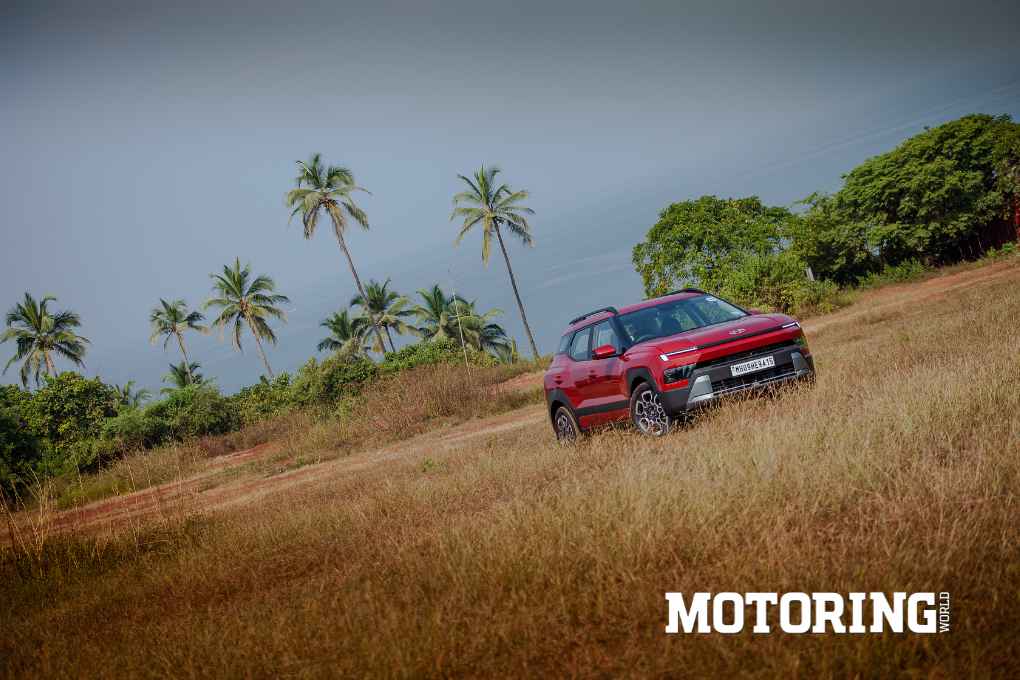
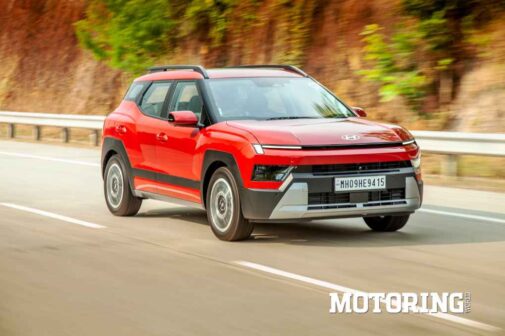
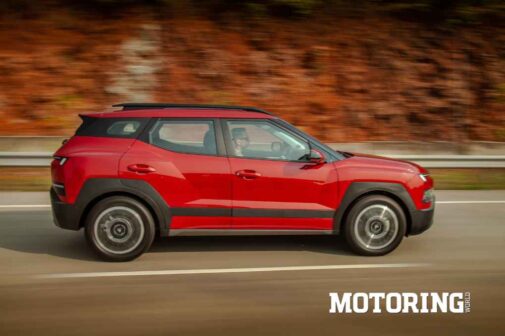
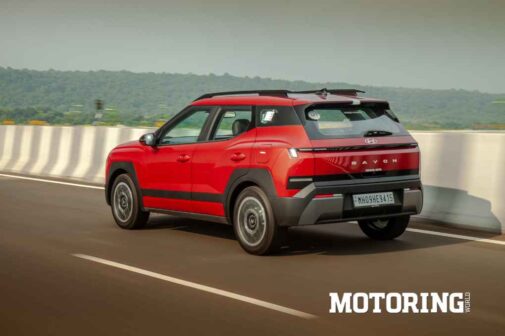
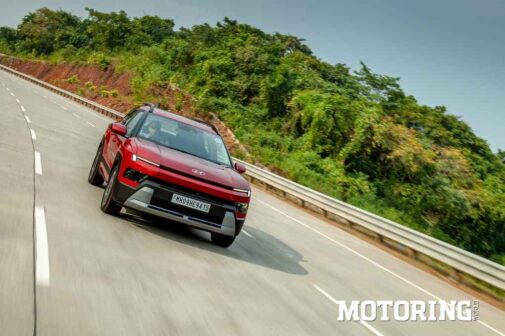
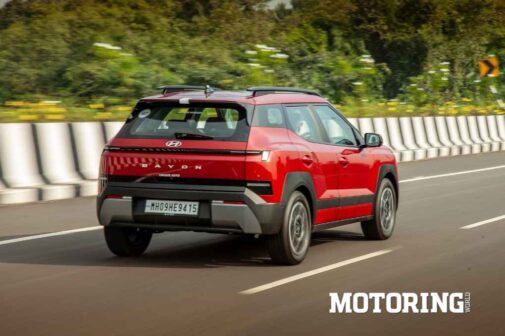
The Bayon gets off to a good start. Indian buyers have developed a particular fondness for SUVs, and the visual impression they make is often as important as their actual ability to tackle a rough road. The Bayon has enough presence to catch the eye, helped by a design that feels distinctly global. There are hints of the Exter and Tucson in its styling, but the overall shape has a character of its own. It looks contemporary without becoming needlessly elaborate, a welcome change in a market where styling has become an increasingly loud competition. I’m less convinced by calling it an SUV. The Bayon looks and feels more like a crossover, with proportions that are well judged and a fairly handsome overall appearance. There’s nothing wrong with that. In fact, its relatively restrained styling is one of its more appealing qualities.
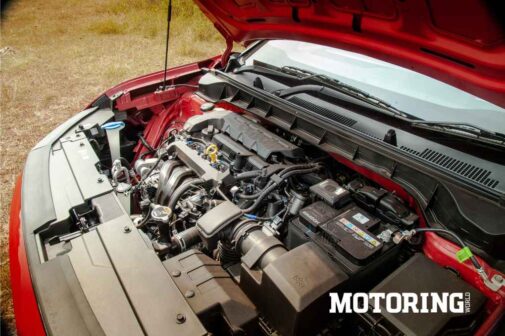
Mechanically, Hyundai has kept things simple. The Bayon gets a 1.5-litre naturally aspirated petrol engine producing 113 bhp, with the choice of a six-speed manual or an IVT automatic. There are no turbocharged fireworks here, and the performance figures won’t have anyone reaching for a helmet. For the sort of driving the Bayon is likely to see, though, the engine is perfectly adequate. There’s enough power to cruise at 100 kph without the engine sounding particularly strained, and it goes about its business without fuss. Fuel efficiency is respectable, too. We managed around 13 kpl in city driving, which is a reasonable return for a car of this size.
We drove both gearbox options, and the manual was the one I preferred. The clutch has a nicely judged weight, the throws are short and the shift action is clean. It feels properly sorted, making everyday driving an easy affair. The N Line gear knob is a pleasing detail, adding a little character to an otherwise sensible cabin.
The IVT is aimed at buyers who would rather leave the gear changes to the car. Like most CVTs, it allows engine revs to rise while the car gathers speed, and the resulting noise takes a little getting used to. Once settled, however, it is smooth and unobtrusive. It suits the Bayon’s easy-going nature, though overtaking requires some forethought. Ask for a sudden burst of acceleration and the gearbox takes a moment to respond.
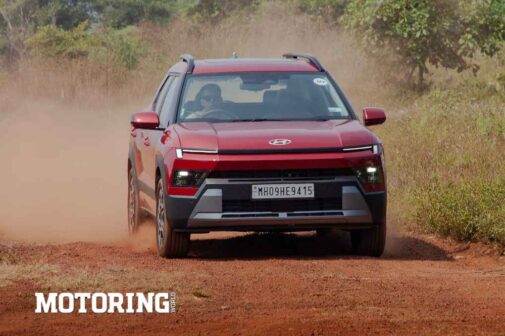
The suspension is one of the Bayon’s stronger points. Hyundai has opted for a relatively soft setup, but has managed to avoid the floatiness that can make a comfortable car feel poorly controlled. Most bumps are absorbed without much fuss, and smaller speed breakers barely disturb the cabin. It is an agreeable car to spend time in, particularly on the sort of broken urban roads that form the daily commute for many Indian motorists.
There is some body movement when you turn into a corner with enthusiasm, which is hardly surprising given the suspension’s comfort-oriented calibration. It remains composed, though, and never feels particularly unsettled. The steering is light and easy to use, if short on feedback and precision. That’s unlikely to bother the intended buyer. The Bayon is designed for everyday driving, and its controls make that job pleasantly undemanding.
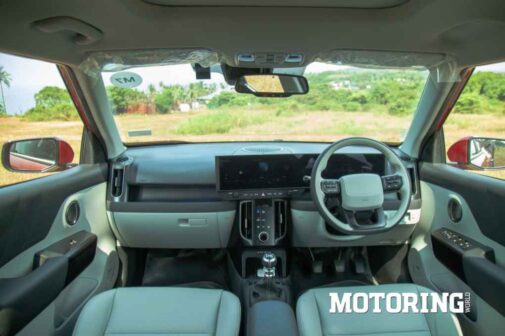
Inside, the cabin follows a familiar Hyundai layout, with a few details that give it some personality. The rounded door handles are reminiscent of the old Santro, an unexpectedly charming reference. Material quality is decent, the colour combinations are well chosen, and the use of matte black finishes in place of piano black is a sensible decision. Glossy black trim looks smart when new, but fingerprints, dust and scratches soon take their toll.
The two 12.3-inch panoramic displays give the dashboard a modern feel. Both are clear and easy to read, the interface is straightforward, and wireless connectivity makes pairing a phone simple. The haptic-touch climate controls are less successful. They look neat, but require more attention than they should. Physical buttons would be easier to operate, particularly while driving.
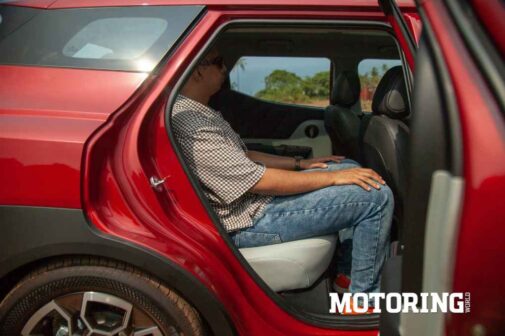
Rear-seat accommodation is another positive. There’s a good amount of room, and the seats provide decent support, especially for passengers under six feet and one inch tall. It is a comfortable place to sit, which matters in a car likely to spend much of its life carrying family members around town.
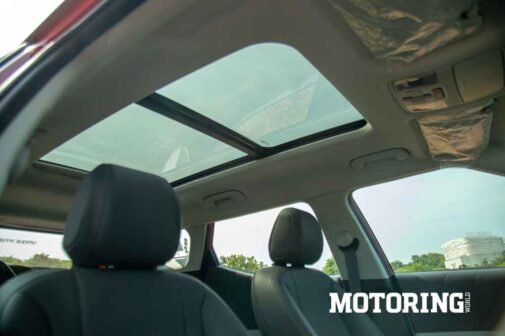
The equipment list is generous. The Bayon gets an AI assistant, more than 70 connected-car features and ADAS functionality that works well. The Bose audio system is also a welcome inclusion, delivering a pleasingly balanced sound without making a performance out of every track. There’s plenty here to keep technology-minded buyers satisfied, although the controls and interfaces are generally straightforward enough for everyone else.
The Bayon is likely to appeal to a fairly specific sort of buyer, someone who wants a comfortable, sensibly sized crossover for the daily commute, with the ability to handle an occasional highway journey. Someone who values a well-finished cabin, useful equipment and easy manners over outright performance. The naturally aspirated engine and soft suspension should suit that brief rather well.
Its rivals, however, make for a difficult comparison. At similar price points, buyers can consider well-equipped versions of the Kia Seltos and Hyundai Creta. Some offer more space, stronger turbo-petrol engines and a greater sense of size for the money. Indian buyers tend to examine equipment lists closely, often before they’ve driven the cars in question, and the Bayon will have to make a convincing case on that front.
For Hyundai, the Bayon is also an indication of where its Indian range is headed. It brings a global product into a line-up that has been built around some very familiar names, while giving the company a way to reposition its SUVs as the segment changes. Its appeal lies in its everyday usability, and it gets most of the fundamentals right.
The Creta has set a high bar, and the Bayon will have to establish itself on its own merits rather than rely on the reputation of the car above it. It has a good deal going for it, from its styling and cabin to its ride quality and easy-going character. Whether buyers will see enough value in it alongside the Seltos and Creta remains to be seen. For now, Hyundai has a new contender in the family, and one that deserves a closer look.