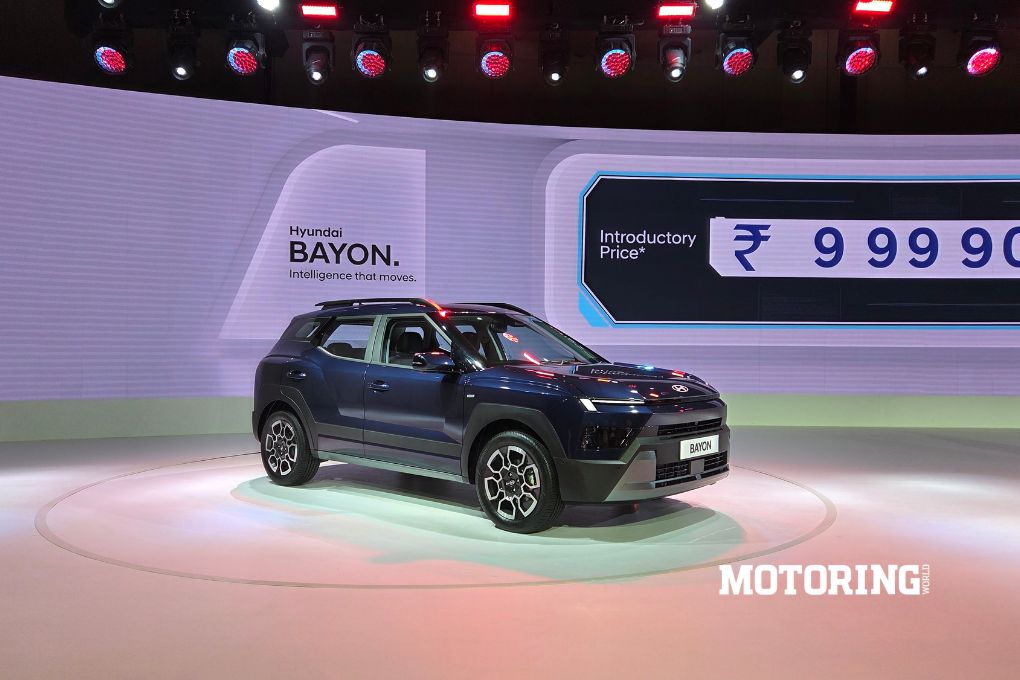


Weeks after revealing the Bayon’s design, Hyundai has finally launched its second midsize SUV, with an introductory starting price of Rs 10 lakh (ex-showroom). The other midsize SUV in Hyundai’s stable is the Creta, which is the bestselling SUV in its segment.
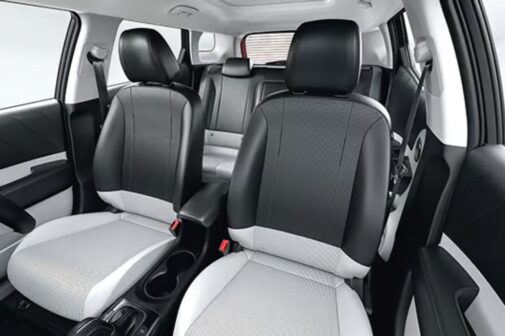
The Bayon is slightly smaller than the Creta, with a length of 4245 mm, a wheelbase of 2600 mm, a width of 1810 mm and a height of 1605 mm. The Bayon’s 205 mm ground clearance is also impressive and 15 mm higher than the Creta’s. While the Bayon doesn’t have the largest boot in the segment, the 505 litres of boot space is still quite spacious.
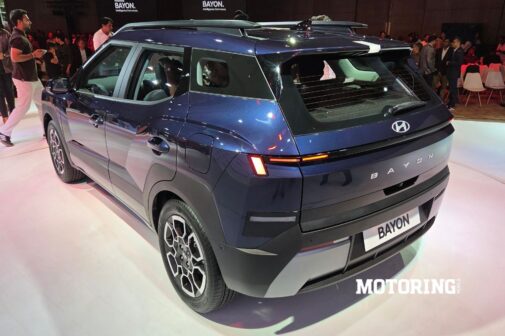
The design is very different compared to the Creta. It doesn’t have the large grille you see in the Creta, but it has a piano black panel connecting the DRLs. The 17-inch alloy wheels with their dual-tone finish also look good. The most interesting piece of design is the motorsport-esque stop lamp in the spoiler.
Inside, the Bayon is more similar to the Venue than it is to the Creta. Its dual 12.3-inch screens are identical to the Venue with its curved layout. In a first for Hyundai, and even the segment, it gets a vertical orientation for the AC vents and HVAC console.
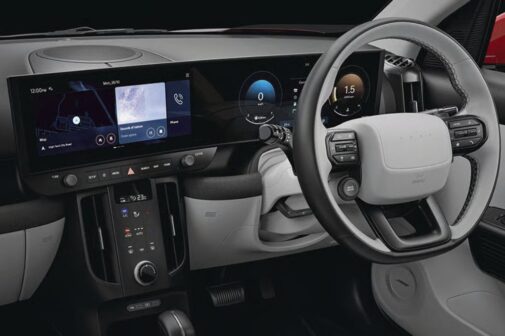
In addition to the dual screens, it also gets a segment-first feature with its Gen-AI voice assistant, powered by Perplexity and Soundhound AI. Furthermore, it gets ventilated front seats, a powered driver’s seat, a panoramic sunroof and more.
Powering the Bayon is the same 1.5-litre naturally aspirated petrol engine with a 6-speed manual and a CVT, as the Verna and Creta. However, it is going to get a CNG powertrain in January 2027. Hyundai is claiming a fuel efficiency of 18.6 kpl with the CVT transmission.
The Bayon enters a cut-throat segment that has the likes of the Hyundai Creta, Kia Seltos, Tata Sierra, Volkswagen Taigun, Skoda Kushaq, Honda Elevate, Renault Duster, Nissan Tekton, Citroen Aircross, Maruti Suzuki Grand Vitara, Maruti Suzuki Victoris and Toyota Urban Cruiser Hyryder.