


The Land Rover Discovery has received a comprehensive update for 2026, headlined by the introduction of a new Landmark edition that slots into a refreshed three-model line-up. Joining the existing flagship Tempest and entry-level S, the Landmark aims to celebrate everything that has made the Discovery one of the most versatile family SUVs over the past three decades.
Rather than focusing on mechanical changes, Land Rover has concentrated on improving the Discovery’s appeal through new design elements, enhanced equipment levels and a broader range of personalisation options. The result is a line-up that continues to prioritise practicality while adding a little more visual distinction across the range.
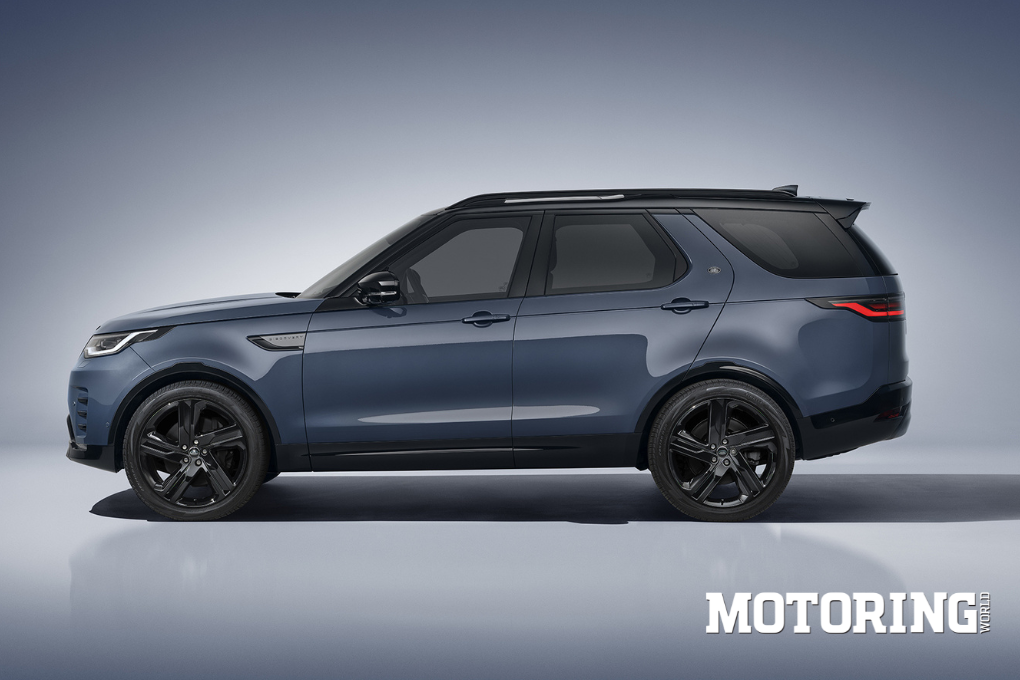
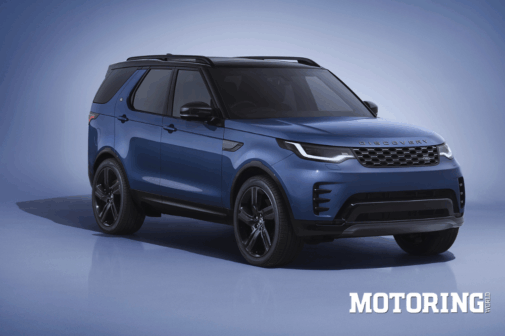
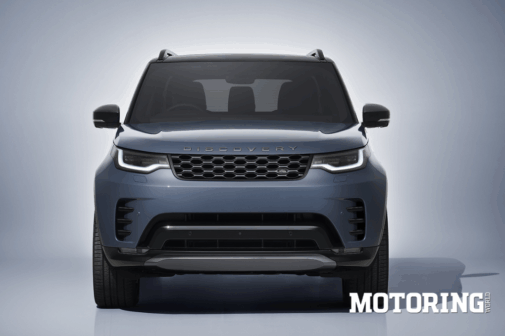
The new Landmark edition is undoubtedly the biggest talking point. It introduces Tasman Blue, a new metallic paint finish reserved exclusively for this variant. The colour draws inspiration from the original Clearwater Blue that featured on the first-generation Discovery when it debuted in 1989, offering a subtle nod to the SUV’s heritage.
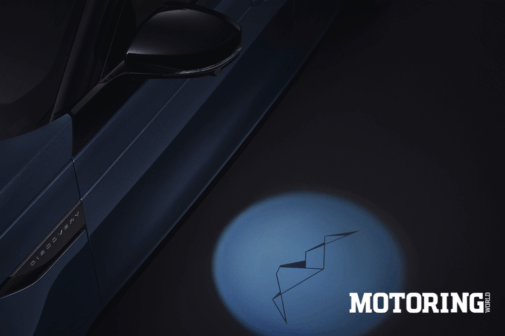
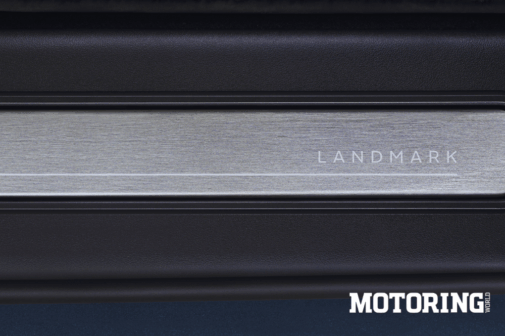
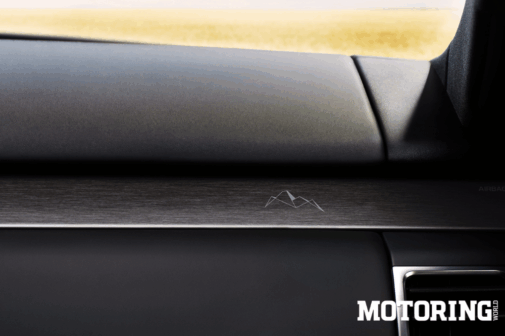
Beyond the paintwork, the Landmark receives unique branding across the tread plates, centre console, B-pillars and even the puddle lamps. Graphite Atlas detailing on the grille, side vents and Discovery lettering helps separate it from the rest of the range, while Carpathian Grey skid plates and new 21-inch alloy wheels finished in Dark Agate Grey complete the exterior makeover.
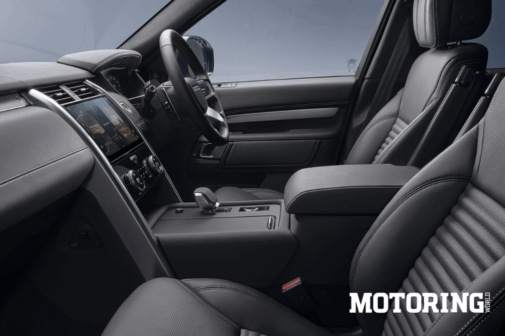
Inside, the changes are equally thoughtful. The cabin receives brushed aluminium trim with Landmark branding, Tech Velour inserts across the dashboard and door panels, a sliding panoramic sunroof and a refrigerated centre console. Together, these additions reinforce the Discovery’s focus on long-distance comfort and family-friendly touring.
Sitting above the Landmark is the Discovery Tempest, which continues as the range-topping model. First introduced last year, the Tempest now gains an exclusive Borasco Grey paint option alongside existing finishes, all protected by a matte coating as standard. Copper accents on the roof, side vents, Discovery script and 22-inch alloy wheels give the flagship a distinctive appearance, while new Light Oyster and Caraway interior colour schemes add a more contemporary feel to the cabin.
At the other end of the range, the Discovery S continues as the entry point into ownership without compromising on the model’s core strengths. Buyers still get seven seats, generous cabin space and practical touches including wireless phone charging, multiple USB ports, hidden storage compartments and durable upholstery designed to cope with busy family life.
Land Rover has also expanded the list of lifestyle-focused accessory packs, reinforcing the Discovery’s reputation as one of the most adaptable SUVs on sale. Owners can choose from dedicated packages for dog owners, cyclists, beach holidays, road trips and winter sports, each bringing accessories tailored to specific activities. From portable pet rinse systems and foldable carriers to roof-mounted cycle racks, cool bags and ski carriers, the aim is to make the Discovery as versatile outside the city as it is within it.
The Discovery’s off-road credentials remain unchanged. Terrain Response 2 and All Terrain Progress Control continue to feature across the range, helping drivers tackle slippery surfaces with greater confidence. A maximum wading depth of 900 mm and a towing capacity of up to 3,500 kg ensure the Discovery remains one of the most capable full-size family SUVs in its segment. Buyers can also choose between six-cylinder petrol and diesel engines, depending on the market.
Another welcome addition is the introduction of Driver Attention Monitor. Using a driver-facing camera, the system monitors the driver’s focus and provides visual and audible alerts if it detects signs of distraction. The feature can be adjusted or switched off through the vehicle’s driver assistance menu.
More than 35 years after the original Discovery arrived, Land Rover’s seven-seat SUV continues to evolve without losing sight of what made it successful in the first place. The refreshed line-up does not attempt to reinvent the Discovery. Instead, it builds on its strengths with better equipment, smarter technology and more distinctive styling, ensuring the family SUV remains as relevant today as it was when it first carried the Discovery badge back in 1989.