
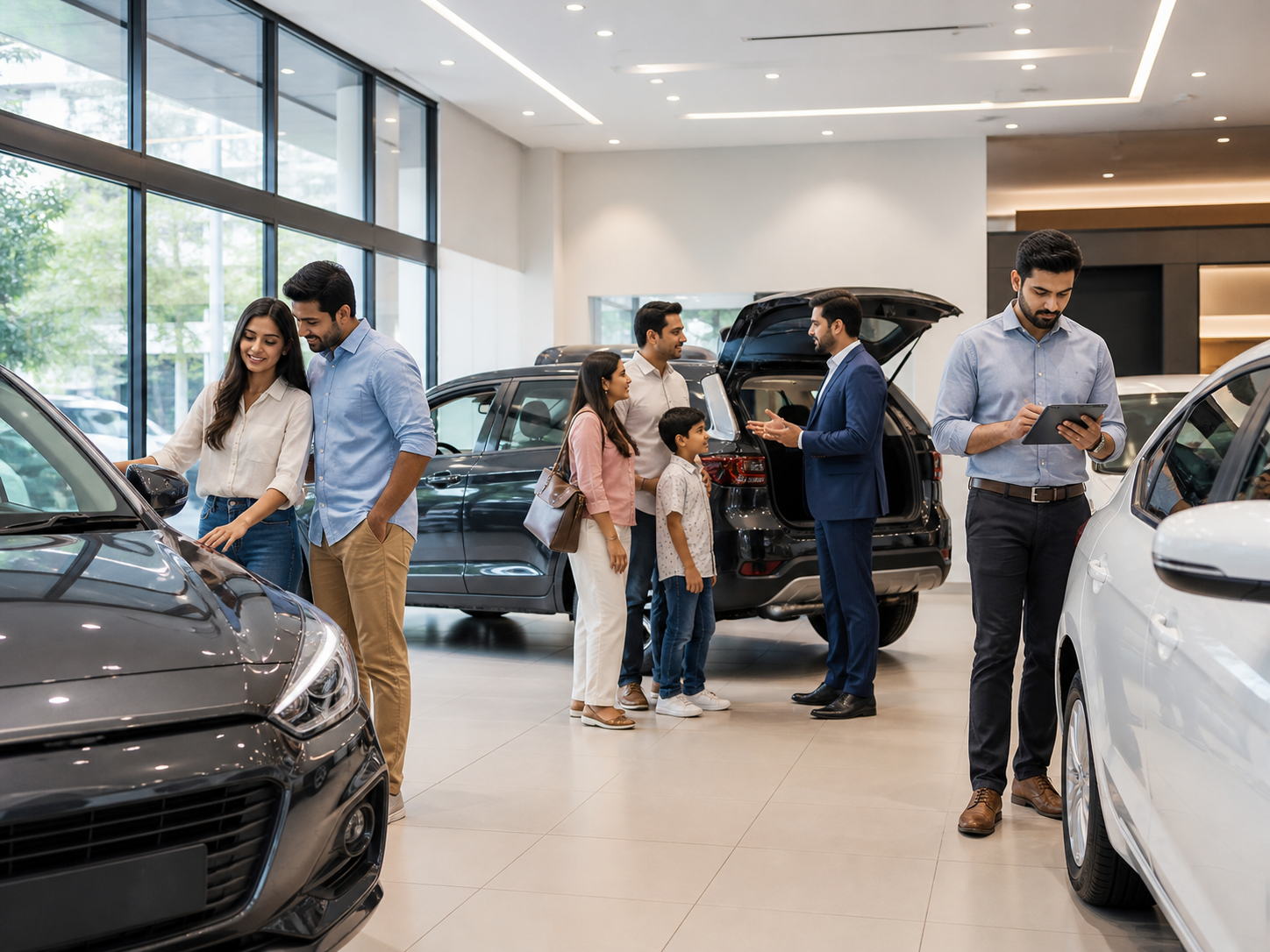



The Indian automotive market has transformed dramatically over the past decade. What was once a straightforward choice between visiting a dealership or scanning newspaper classifieds has evolved into a landscape rich with options. Today’s car buyers navigate a complex ecosystem where traditional showrooms coexist with digital platforms, peer-to-peer sales happen alongside corporate buyback programs, and financing models range from conventional loans to subscription services.
This shift reflects broader changes in Indian consumer behaviour. Rising digital literacy, improved access to information, and evolving financial preferences have created a buyer who expects convenience, transparency, and flexibility. Understanding these purchasing pathways helps both buyers and sellers make informed decisions in a market that now offers unprecedented choice.
The Traditional Dealership Experience
For decades, authorised dealerships represented the default path to car ownership. The model remains popular for good reasons. Buyers walk into a physical location, inspect vehicles firsthand, negotiate face-to-face with sales staff, and drive away with manufacturer-backed warranties. The tangible nature of this experience provides comfort, particularly for first-time buyers or those purchasing high-value vehicles.
However, this convenience comes with trade-offs. Dealership inventory limits selection to what’s physically available on the lot. Pricing transparency can be opaque, with final costs varying based on negotiation skills rather than standardised rates. Geographic constraints mean buyers in smaller cities face fewer options than metro residents, often requiring travel to access specific models or trim levels.
For eligible defence personnel and their families, another purchase route is through the Canteen Stores Department (CSD), where vehicles are available at concessional rates; buyers can compare the latest CSD car price list before deciding which models fit their budget.

The Rise of Online Marketplaces
Digital platforms have fundamentally altered how Indians shop for cars. Websites and mobile applications now aggregate thousands of listings, allowing buyers to filter by make, model, year, price range, fuel type, and dozens of other parameters. This level of choice was unimaginable in the pre-internet era.
The convenience factor cannot be overstated. A buyer in Pune can browse vehicles available in Delhi, compare prices across cities, and arrange interstate delivery without leaving home. High-resolution photos, 360-degree views, and detailed condition reports replace the need for initial physical inspections. User reviews and ratings provide social proof that helps buyers assess seller credibility.
Online marketplaces have also democratized access to market data. Real-time pricing information prevents buyers from overpaying, while historical price trends inform negotiation strategies. Financing calculators built into these platforms let buyers understand EMI obligations before committing, removing much of the financial uncertainty that once accompanied car purchases.
Yet digital purchasing introduces its own complexities. Photos can obscure flaws, and written descriptions may not capture the true condition of high-wear components like suspension or brakes. This is where second hand cars on trusted used car platforms with comprehensive inspection reports come into the picture, providing much increased transparency.
Peer-to-Peer Sales Through Classifieds
Despite the growth of organised platforms, direct peer-to-peer sales remain common. Sellers list vehicles on classified sites or social media groups, buyers respond, and the two parties negotiate directly. This model cuts out intermediaries, potentially saving both parties money.
The interpersonal nature of these transactions allows for relationship-building. Buyers can ask detailed questions about maintenance history, accident records, and driving patterns.
However, this model carries significant risk. Buyers have limited recourse if the vehicle develops problems post-purchase. No standardised inspection process exists, leaving buyers dependent on their own mechanical knowledge or the honesty of sellers. Documentation fraud, odometer tampering, and undisclosed accident history represent real dangers. Payment disputes and registration transfer complications can drag on for months without institutional support to mediate.
Financing Options and Their Impact on Purchase Decisions
How buyers fund their purchases shapes which channels they use. Traditional bank loans have long dominated, but the financing landscape has diversified considerably. Non-banking financial companies (NBFCs) now compete aggressively, often offering faster approvals and more flexible terms than banks. Manufacturer-tied financing arms provide promotional rates during sales periods, sometimes subsidising interest to move inventory.
Digital lending platforms have streamlined the application process. Buyers complete forms online, upload documents via mobile apps, and receive approvals within hours rather than days. This speed enables faster purchase decisions and reduces the risk of losing desired vehicles to other buyers during drawn-out approval processes. Pre-approved loans give buyers clarity on budget before they start shopping, strengthening negotiating positions.
Environmental Considerations and Government Incentives
Environmental concerns increasingly influence purchase decisions and available channels. Government incentives for electric vehicles (EVs) affect final purchase prices. Tax benefits, reduced registration fees, and subsidies make these vehicles more economically attractive through channels that facilitate subsidy processing, typically larger dealerships and organised retailers.
Scrapping policies for old vehicles create formal channels for disposal while opening opportunities for replacement purchases. The government’s vehicle scrappage scheme offers incentives for retiring old, polluting vehicles and purchasing new ones.