

The landscape changed faster than expected. One day, the dry, bleached highways outside Jaipur, driving the refreshed Skoda Kushaq. The next, a short ATR flight north and a completely different world, with cooler air, green hills, and roads that climbed and twisted toward the Tehri Dam. It was, as drive routes go, a good one. And waiting at the hotel was a car that has had enthusiast forums humming for the better part of a year.
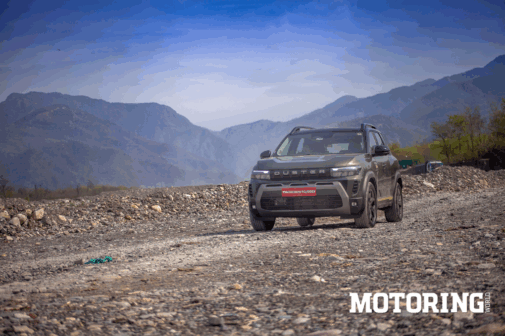
The Duster nameplate carries genuine weight in India. When the original arrived, it sold well, and created a category. Rugged, honest, and priced at a point that made proper SUV capability accessible, it built a following that outlasted the car itself. Renault eventually pulled it from the market, and the gap it left was keenly felt. So this return isn’t being treated as a routine new model launch, by Renault or anyone else. The question, as we headed out of Dehradun with the sun just clearing the hills, was simple: does it deliver?
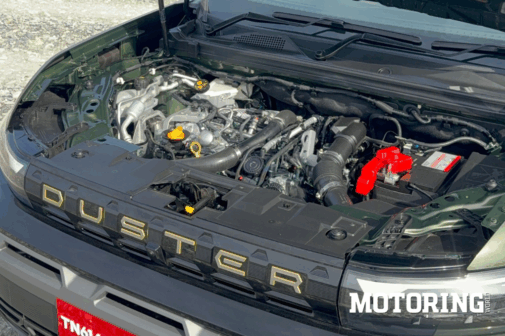
The variant we drove was the 1.3-litre turbo-petrol, and it makes a strong first impression. With 162 bhp and 28.55 kgm of torque on tap, it’s among the more powerful engines in this segment, and it doesn’t let you forget that. Press the accelerator with any conviction and the Duster responds immediately; there’s a directness to the power delivery that feels genuinely enthusiastic rather than merely adequate. On the open stretches near Dehradun before the climb began, it pulled hard and cleanly through the rev range.
Two gearbox options are available: a six-speed manual and a six-speed dual-clutch automatic. The manual is well-sorted — light clutch, slick shifts, easy to settle into — but the DCT is the more natural partner for this engine. It’s quick, seamless, and manages the torque without drama. In town, it’s smooth enough to be unobtrusive. On the move, it stays a step ahead of you. Unless you have a specific preference for three pedals, the DCT is the one to have.
One detail worth mentioning, particularly for those who appreciate a car with some character: with the windows down, you can hear the turbo spool and a faint wastegate whistle as you lift off the throttle. It’s subtle, but it’s there, and it adds a layer of texture to the driving experience that’s increasingly rare in modern, heavily sound-deadened cars. Inside, though, NVH levels are well controlled — the character is something you choose to engage with, not something imposed on you.
For buyers not in the market for the 1.3, Renault will also offer a 1.0-litre turbo-petrol producing 101 bhp for those prioritising efficiency, and a 1.8-litre full hybrid arriving later in the year that brings dual electric motors and energy recuperation into the equation. It’s a broad lineup that covers a wide range of buyers, though most people will likely want the 1.3.
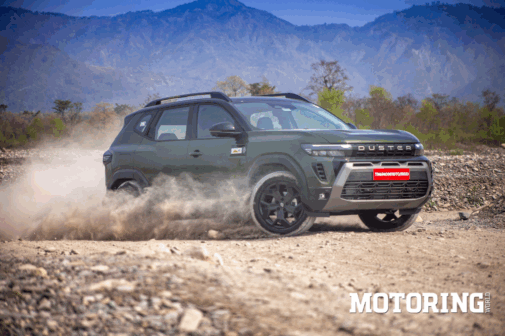
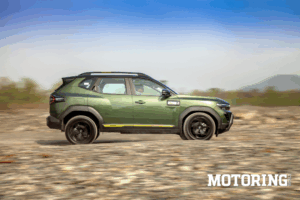
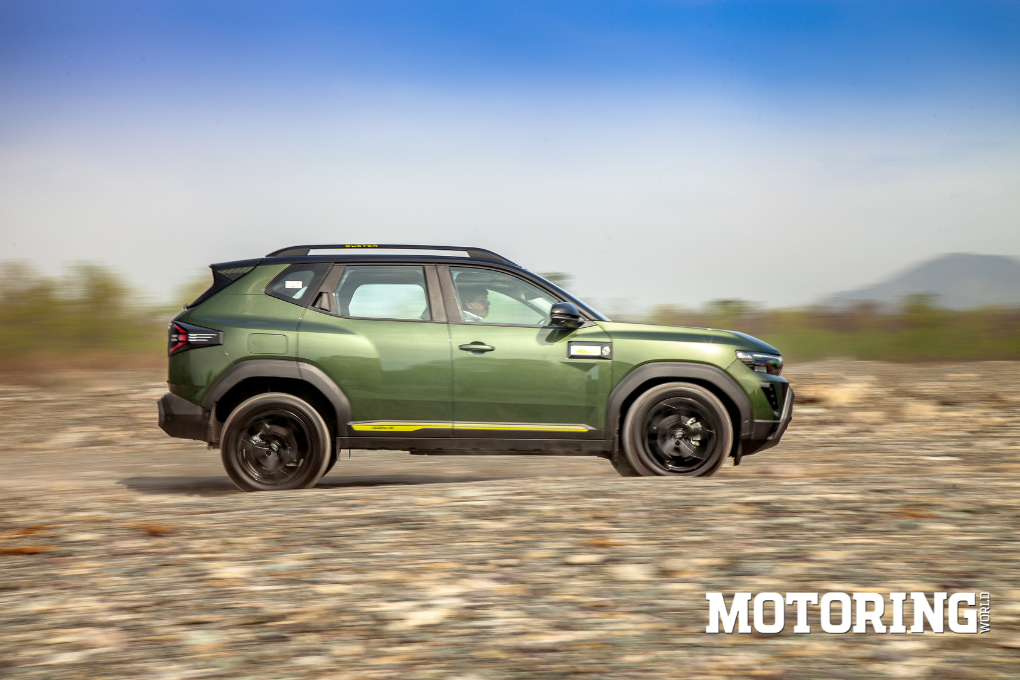
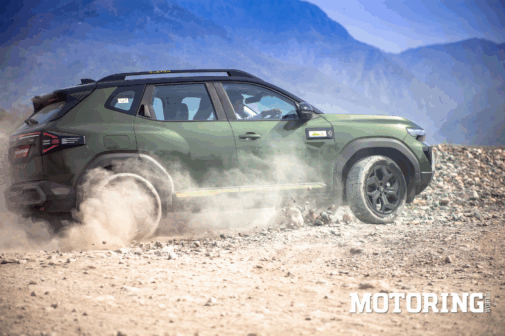
The drive to Tehri was an inadvertent capability test. Roads in this region have taken a battering from recent flooding, and significant stretches had been reduced to broken tarmac, exposed rock, and loose gravel. It wasn’t a purpose-built off-road course — it was just the road, in its current condition, and the Duster handled it without complaint.
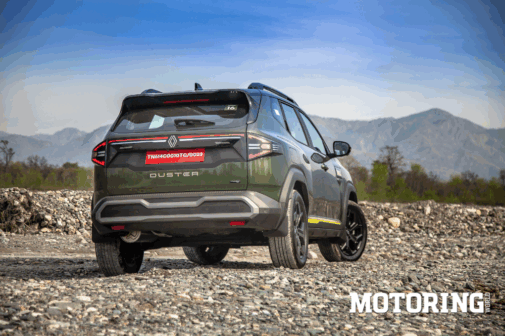
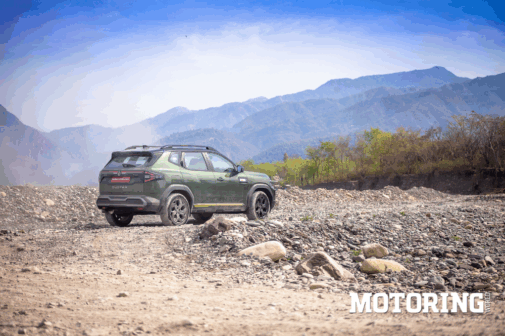
The Duster’s ground clearance of 212 mm helps considerably, and the suspension has clearly been calibrated with the understanding that Indian roads don’t follow scripts. Deep potholes, loose surfaces, and sudden transitions from smooth to broken tarmac — the Duster absorbed them in a composed way, without the cabin drama that characterises less well-sorted rivals. We pushed further and took it onto a dry riverbed, which is where front-wheel drive setups often begin to make excuses. The Duster didn’t. It managed loose gravel, scattered rocks, and mild inclines with a capability that felt like more than the spec sheet suggested.
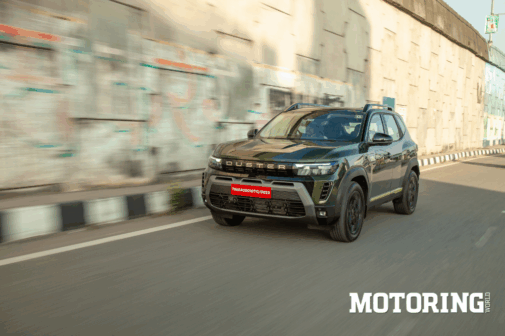
At higher speeds on better roads, the car settles into a confident, planted stride. Cornering is composed, the body doesn’t move around excessively, and there’s a solidity to the structure that you notice most when the road deteriorates and the car simply refuses to feel unsettled. An all-wheel-drive version is expected later, which will only strengthen that case, but on this drive, the front-wheel-drive car made a strong enough argument on its own.
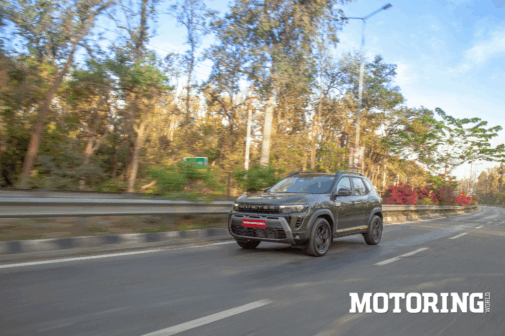
The ride quality is well-judged. It’s not soft; this isn’t a car that irons everything out and pretends the road is smooth. But it absorbs the rough stuff capably and stays composed at speed, which is the more useful balance for a car likely to spend time on both city roads and long highway runs.
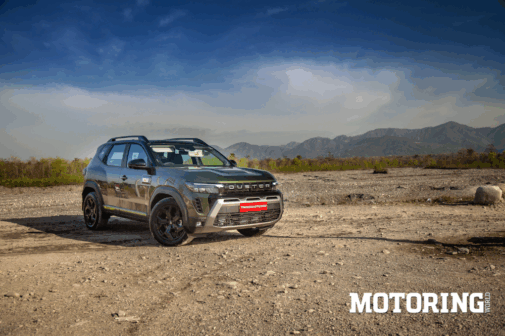
Renault has been confident with the Duster’s design, and it shows. The front end is assertive — prominent DUSTER lettering across the grille makes sure there’s no ambiguity about what you’re looking at, and the darkened LED headlamp treatment adds an edge without tipping into aggression. The sculpted bumper and skid plate do their job of reinforcing the SUV credentials visually, though they also back it up mechanically, which is the better kind of design honesty.
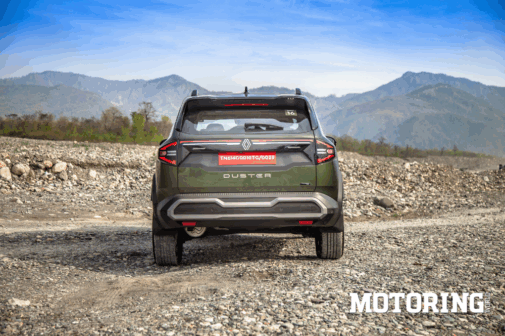
From the side, the proportions feel properly SUV-sized — longer, more planted, more substantial than the outgoing car. The character lines are clean rather than fussy. At the rear, the integrated LED tail lamps and strong bumper stance round things off without overcomplicating them. A wide colour palette and dual-tone options mean there’s enough variety for buyers to make it feel like their own.
It’s a design that suits the car’s character; it’s purposeful without being theatrical, modern without chasing trends that will look dated in three years.
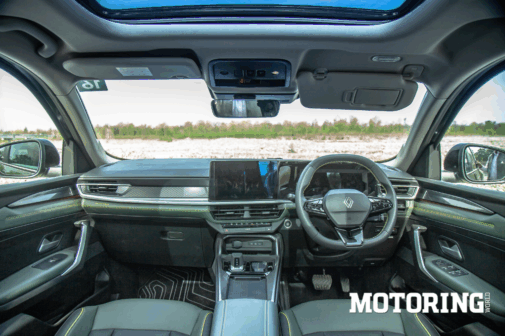
The cabin is where the generational leap is most apparent. The previous Duster was honest and functional, but it didn’t pretend to be particularly premium. This one does, and largely gets away with it. The highlight is the 10-inch digital instrument cluster running a Google-based operating system — native Google Maps and Google Assistant built directly into the car, behaving much as they would on your phone, without the fuss of mirroring or pairing. It works well, and the interface is responsive enough that you stop thinking about it and just use it. Wireless Apple CarPlay and Android Auto are available as well, but the built-in system is capable enough that many owners won’t feel the need.
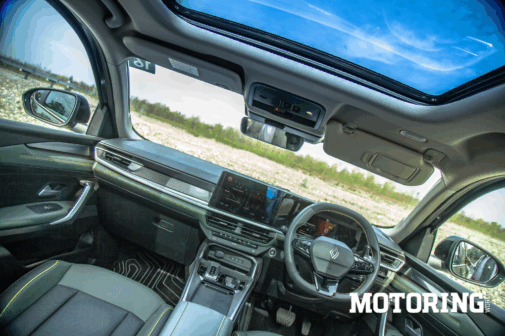
The 10.1-inch touchscreen infotainment display sits neatly alongside, and both screens are angled toward the driver, a small detail that signals the cabin’s driver-focussed intent. Material quality has taken a meaningful step up from the previous generation. The doors close with heft, the bonnet is supported by gas struts, and the overall impression is of a car that has been assembled with more attention to detail than before. There are still some harder plastics in less conspicuous areas, but they don’t undermine the overall quality of the experience.
The front seats are supportive and well-adjustable, and the driving position is easy to dial in. The panoramic sunroof brings light into what is otherwise a fairly dark interior theme, and it makes a real difference to how spacious the cabin feels. Rear seat space is genuinely comfortable for adult passengers, and 518 litres of boot space handles real-world luggage without negotiation.
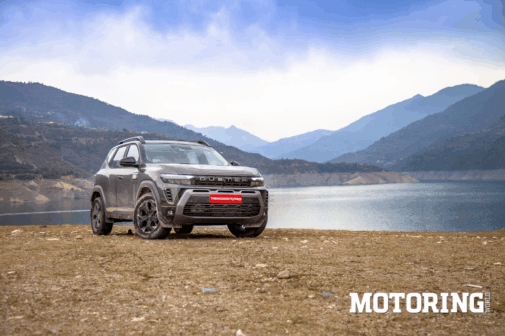
After five hours across mountain roads, broken tarmac, and a dry riverbed, the new Duster has made its position clear. It’s not simply the old car brought back with fresh styling — it’s a more complete, more refined, and more capable proposition than the original, while retaining the things that made the original worth caring about.
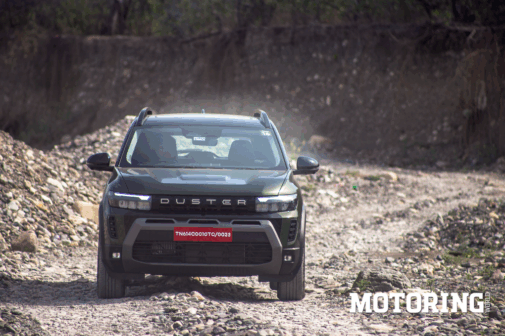
The 1.3-litre engine is the pick of the range as things stand — it’s punchy, characterful, and well-matched to the DCT. The platform handles varied terrain with a composure that front-wheel-drive SUVs don’t always manage. And the cabin, while not flawless, represents a genuine quality step that moves the Duster into more competitive territory than it’s previously occupied.
What Renault has understood is that the Duster’s legacy is both an asset and a liability. Expectations are high precisely because the original earned it. The new car doesn’t hide from that; rather, it akes it seriously, and the result is an SUV that feels less like a nostalgic return and more like a credible statement of intent.
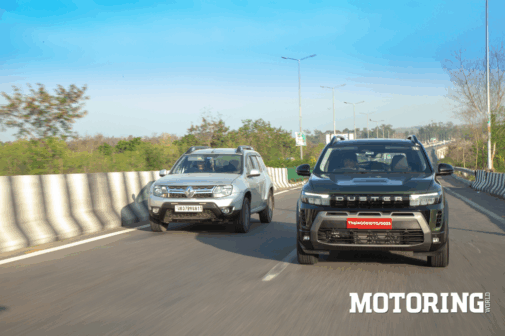
The throne analogy is tempting, and not entirely wrong. But the more accurate read is this: the Duster isn’t back to reclaim something. It’s back because it has a legitimate case to make, and on this evidence, it makes it well.