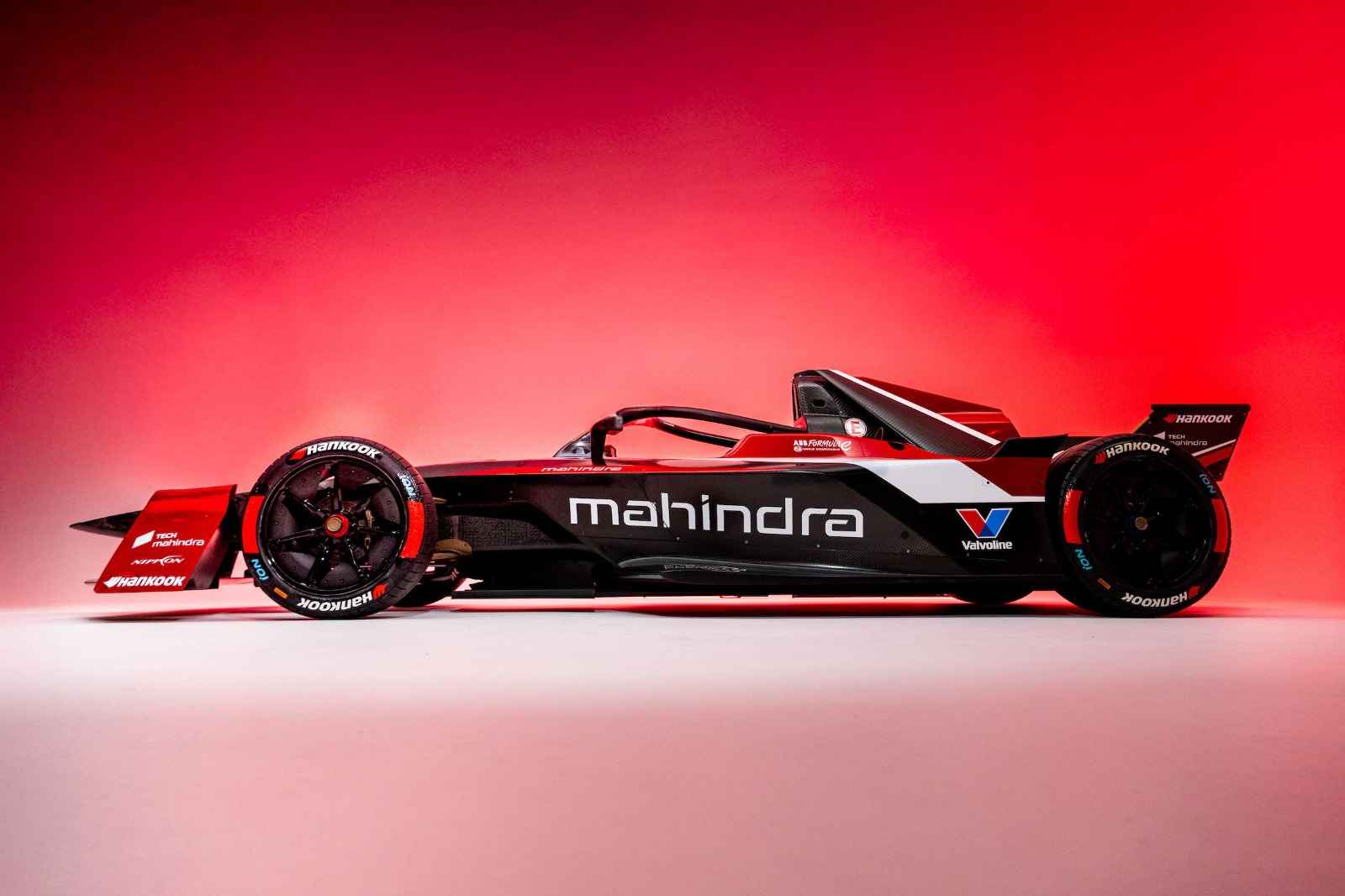


Valvoline Global and Mahindra Racing are taking their Formula E partnership beyond the racetrack, using the London E-Prix season finale as a platform to showcase how technology developed under the extreme demands of electric motorsport can eventually benefit everyday electric vehicles. The collaboration, built around a “Track-to-Road” philosophy, highlights the growing importance of specialised fluids and drivetrain technologies as electric mobility continues to evolve.
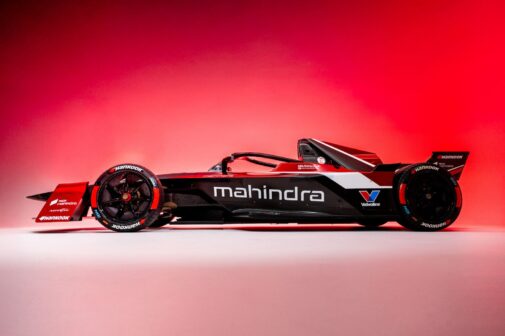
Formula E provides an unusually demanding environment for electric vehicle technology. With high-performance electric powertrains operating under intense thermal and mechanical loads, teams are constantly looking for ways to improve efficiency, manage heat and maximise performance. For Valvoline, this creates an opportunity to develop and test EV-specific fluids in conditions that are considerably more challenging than those encountered during normal road use.
View this post on Instagram
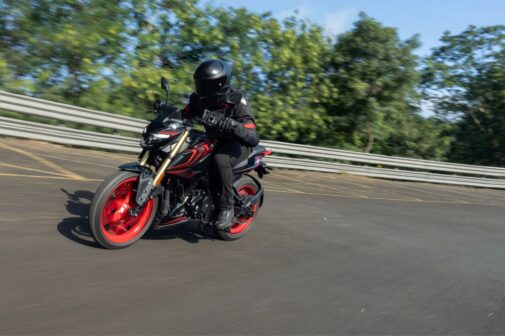
Through its partnership with Mahindra Racing, Valvoline Global is working to translate lessons and technologies developed on the Formula E circuit into solutions for production electric vehicles. The focus extends beyond simply improving performance. As EV adoption grows, manufacturers and customers are increasingly looking at factors such as efficiency, thermal management, component protection, durability and overall drivetrain reliability.
View this post on Instagram
Mahindra Racing’s Formula E programme provides a valuable test bed for this development. The team’s electric race cars operate at the limits of performance, making the circuit an ideal environment for evaluating drivetrain technologies and fluids. Technologies developed and refined through this process can then potentially be adapted for road-going EV applications, helping bridge the gap between motorsport innovation and everyday mobility.
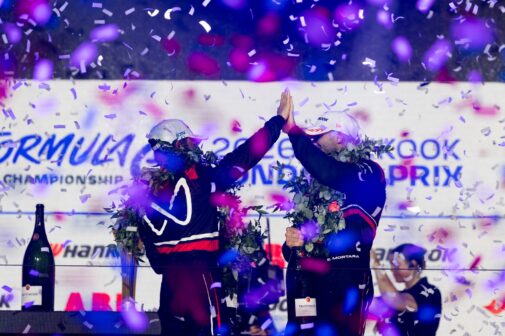
The partnership is particularly significant for India, where electric vehicle adoption is gathering pace across both passenger and commercial segments. As the market matures, the requirements of EVs are becoming more sophisticated, creating demand for products specifically engineered around electric powertrains rather than simply adapting technologies originally developed for internal-combustion engines.
The London E-Prix, which brings the Formula E season to a close, therefore serves as more than just the final race of the championship. It provides a showcase for how motorsport can act as a development platform for technologies that could eventually make their way into vehicles on public roads.
For Valvoline Global and Mahindra Racing, the “Track-to-Road” approach represents a two-way relationship between competition and mobility. The racetrack provides an environment to push technology to its limits, while the road offers an opportunity to apply those learnings at scale.
As electric mobility continues to reshape the automotive industry, partnerships such as this demonstrate that the connection between motorsport and road cars is evolving. Instead of simply transferring performance technology from race cars to production vehicles, the focus is increasingly on solving the fundamental challenges of electric mobility—one lap, and eventually one road car, at a time.