

The sedan may no longer be the default answer for Indian car buyers, but there is still something rather charming about a proper three-box car. More importantly, there are still a few manufacturers willing to keep building them. Skoda has been one of the strongest believers in the format, and the Slavia has played a big role in keeping the Czech brand relevant in the segment.
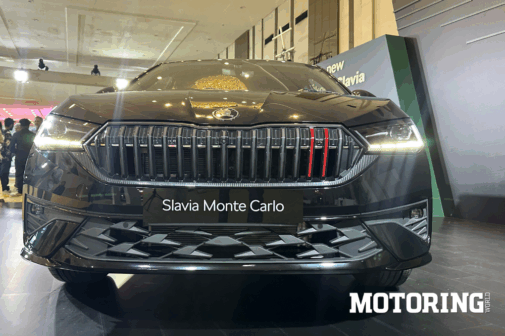
Now, for 2026, the Skoda Slavia has received its facelift, bringing a sharper exterior, a more modern cabin and some useful additions to its equipment list. Crucially, the fundamentals remain familiar, including the two turbo-petrol engines that have made the Slavia such an entertaining sedan to drive.
A sharper face
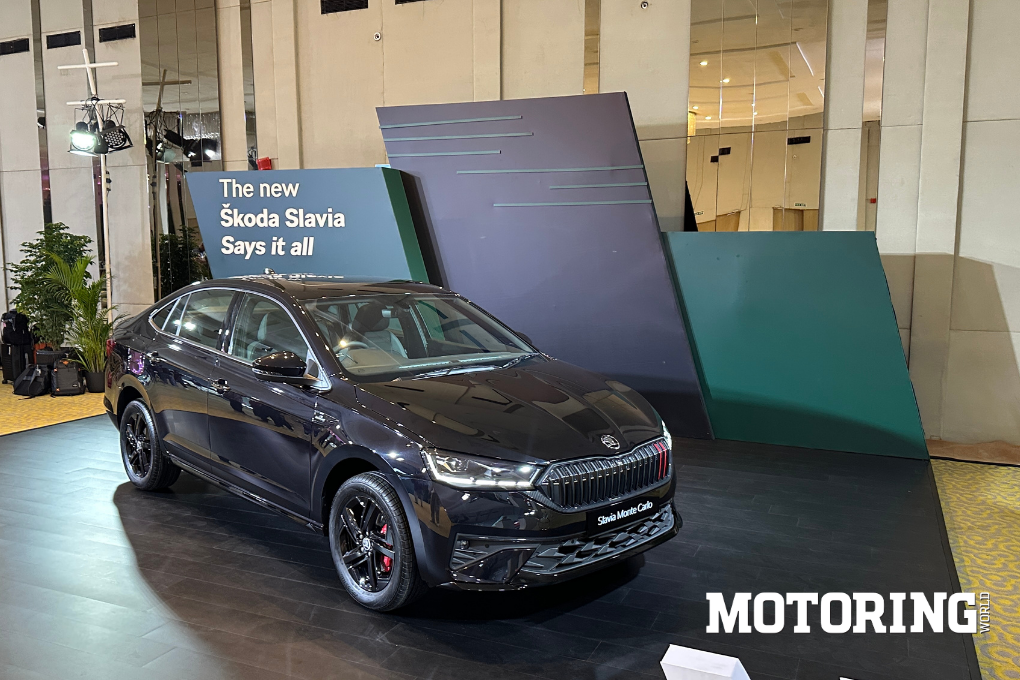
The biggest changes are concentrated at the front, although Skoda has wisely resisted the urge to mess with a design that already works.
The headlamp shape remains unchanged, but the LED daytime running lights have been redesigned, taking inspiration from the units seen on the Kushaq. The grille is new too, featuring a split chrome strip running across its width. Interestingly, the treatment gives the impression of another lighting element sitting between the headlamps.
The bumper has also been redesigned, with revised elements integrated into the front air intakes. There is also a new lower lip that adds a touch of aggression to what remains a fairly elegant-looking sedan.
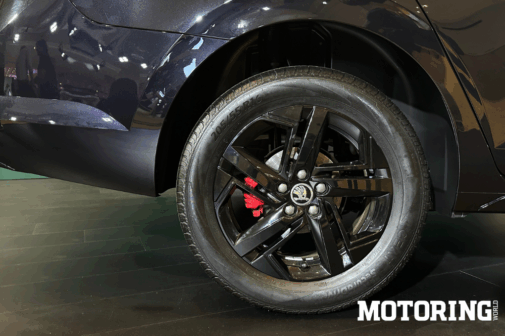
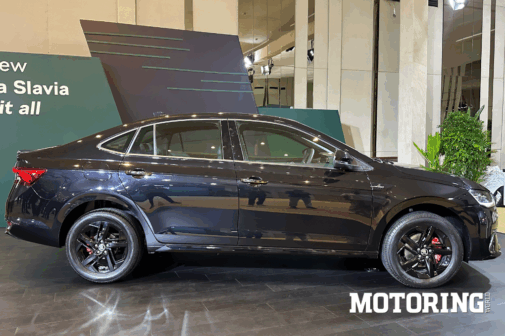
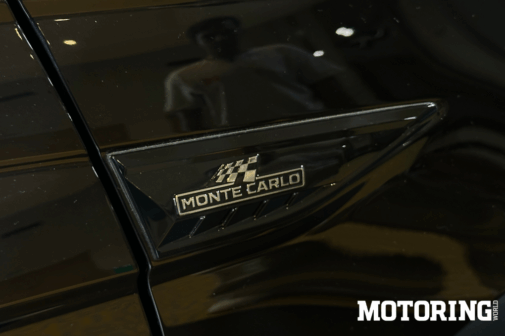
The changes continue with the wheels. The facelift gets new 16-inch alloy wheels, featuring a more aerodynamic, blade-like design. The standard versions get chrome detailing, while the Monte Carlo variant goes for an all-black treatment. The sportier trim also gets red brake callipers, because apparently every car needs at least one way of telling the neighbours it is the fun one.
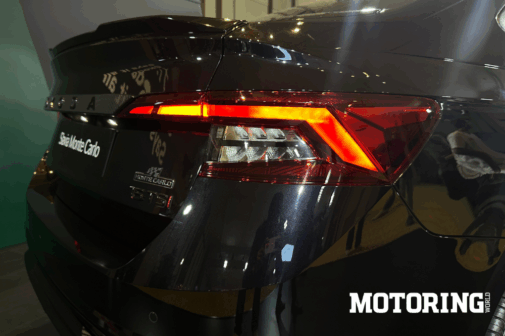
At the rear, changes are more subtle. The overall design remains familiar, but sequential turn indicators have now been added. The Skoda badge also moves onto the bootlid, giving the rear a slightly cleaner appearance.
More technology inside
Step inside and the Slavia continues to feel properly premium, although the facelift brings some worthwhile upgrades.
The biggest change for the driver is a new 10.25-inch digital instrument cluster. It is brighter, easier to read and gives the cabin a more contemporary feel.
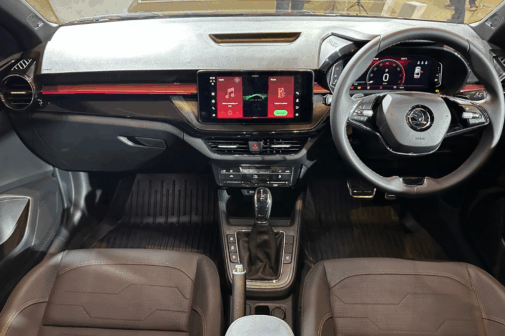
The infotainment system has also been updated. While the overall positioning remains familiar, the new unit features updated hardware that is brighter and considerably smoother to operate.
The seats get fresh upholstery as well, with the Monte Carlo version receiving red accents to complement its sportier exterior treatment.
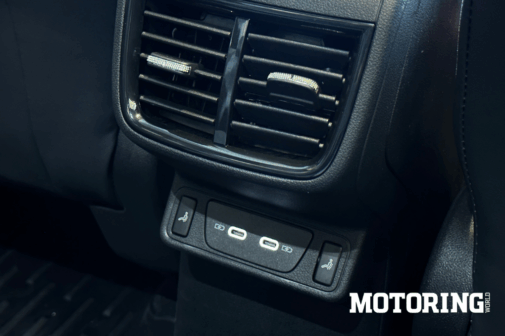
Perhaps the most useful addition, however, is the 360-degree camera, which is available on the top-spec variants. Given the Slavia’s relatively low driving position and the increasing number of tight parking spaces that seem to have been designed by people who hate cars, this should prove rather useful.
Same engines, new automatic
Under the bonnet, Skoda has chosen not to reinvent the wheel.
The entry-level 1.0-litre TSI continues to produce 114 bhp and 174 Nm. However, it is now paired with a new eight-speed torque-converter automatic, replacing the previous automatic arrangement. The additional ratios should make the Slavia more relaxed in everyday driving, particularly in stop-start traffic and while cruising.
Then there is the engine that enthusiasts will continue to gravitate towards. The 1.5-litre TSI produces 148 bhp and 250 Nm, with power sent through the familiar seven-speed DSG.
The 1.5-litre remains the more interesting proposition for those who enjoy driving, with its combination of punchy mid-range performance and quick shifts giving the Slavia a character that many of its rivals struggle to match.
How much will it cost?
Skoda has not announced pricing for the facelifted Slavia yet. However, considering the visual changes, additional equipment and the new automatic transmission option, a price increase is expected.
A hike of up to around Rs 1 lakh across the range would not come as a major surprise.
The facelifted Slavia will continue to battle the Hyundai Verna and Volkswagen Virtus, but it arrives with a slightly sharper argument than before.
The formula remains familiar: elegant looks, a quality cabin, strong engines and entertaining driving dynamics. Skoda has simply added a little more technology and aggression to the package.
And frankly, in a segment that is slowly becoming a rare species in the Indian market, that is probably exactly what the Slavia needed.