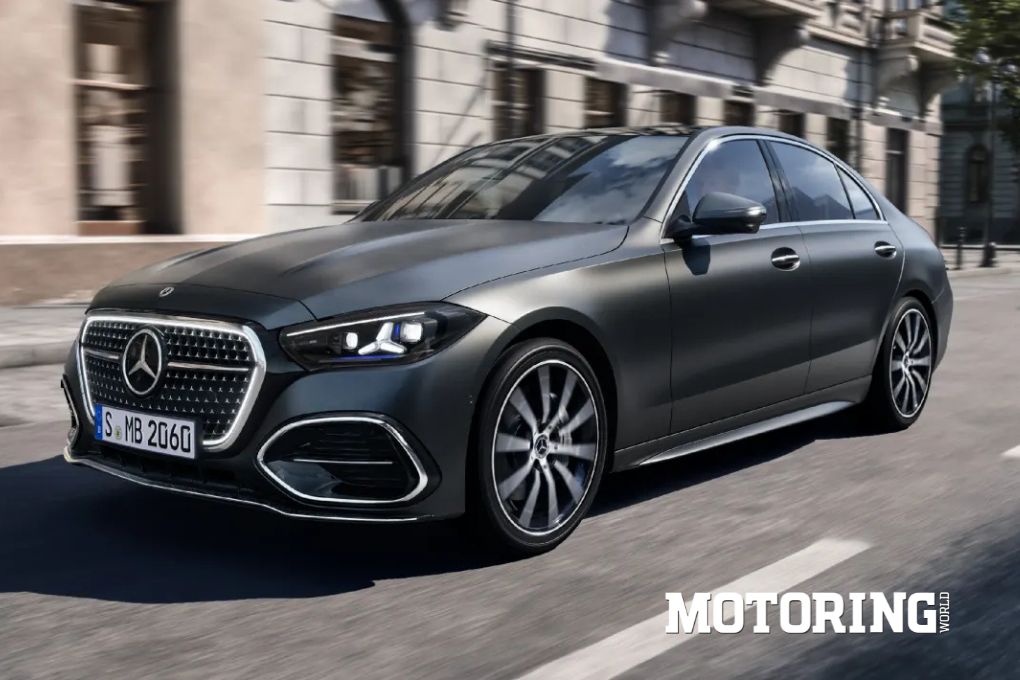


Mercedes-Benz has given the C-class a mid-life makeover, but this is very much an evolution rather than a revolution. With the next BMW 3-series waiting in the wings, Mercedes has freshened up its combustion-powered C-class with sharper styling, more technology and revised engines, while keeping the petrol, diesel and plug-in hybrid mix intact.
The facelift applies to both the C-Class saloon and estate (which sadly we don’t get in India), while the recently introduced electric C-Class continues as a separate model. For the first time, Mercedes now has a combustion-powered C-Class offering petrol, diesel and plug-in hybrid power, alongside its fully electric counterpart.
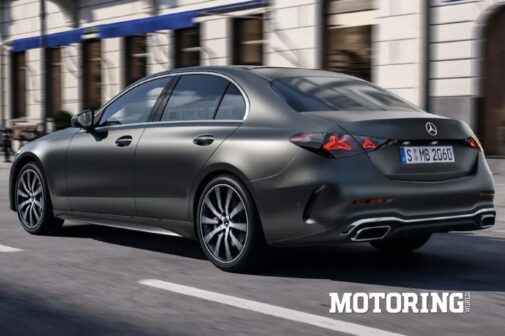
The biggest visual changes are at the front. The C-Class gets a larger grille and redesigned headlights, with three-pointed-star daytime-running lights borrowed from the latest CLA and S-Class. The central Mercedes star is larger, too, and you can even have the grille surround illuminated. At the back, the saloon gets star-pattern detailing within its tail lights, inspired by the E-Class, while the estate retains the existing rear light design. The C now looks very much like a mini E, and that’s not a bad thing. What will divide opinions though is the larger grille, which I think looks a tad too big on the baby Merc sedan. The overall shape though, remains familiar, which is probably exactly what its buyers want.
The cabin follows the same approach. The familiar 11.9-inch portrait touchscreen and 12.3-inch digital instrument display remain, but the software behind them has been upgraded. The MBUX assistant gets more AI functionality and can now handle questions about things such as share prices and weather, as well as take requests to adjust the climate control. The navigation system also gains Google Maps integration and can provide information such as nearby parking availability.
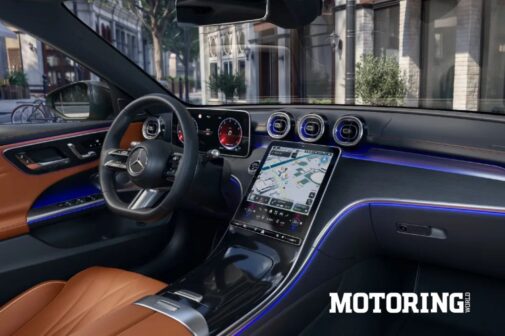
There is also some good news for anyone who has grown tired of touch-sensitive controls. Mercedes has brought back physical controls on the steering wheel, including a rotary volume control and a rocker switch for the cruise control.
Under the skin, the changes are driven partly by the need to meet Euro 7 emissions regulations. The C 400 e plug-in hybrid gets a power boost to 385 bhp, courtesy of revisions to both its petrol engine and electric motor. Its 19.5 kWh battery provides a claimed electric range of 100 km under the latest testing procedure.
The diesel line-up has been reshuffled, too. Mercedes has dropped the C 300 de plug-in hybrid, while the C 250 d has been revised with the focus on improved longevity and longer service intervals.
The entry-level C 200 stays in the line-up but loses some power, dropping from 200 bhp to 174 bhp. Above it sits the C 300, which gains power and now produces 301 bhp. All non-plug-in C-Class models get Mercedes’ second-generation mild-hybrid system, which uses an integrated starter-generator and provides up to 17 bhp of additional assistance. There is more to come, too. The C 53 AMG is due to be revealed before the end of the year and will eventually replace the C 63 E Performance.
For India, the C-Class remains an important part of Mercedes-Benz’s line-up. The current model is offered here with C 200 petrol, C 220 d diesel and C 300 petrol variants. The C-Class currently starts at around Rs 61 lakh in India. For now, though, Mercedes-Benz India hasn’t announced when this updated C-Class will arrive here, but expect it to reach our shores early next year.