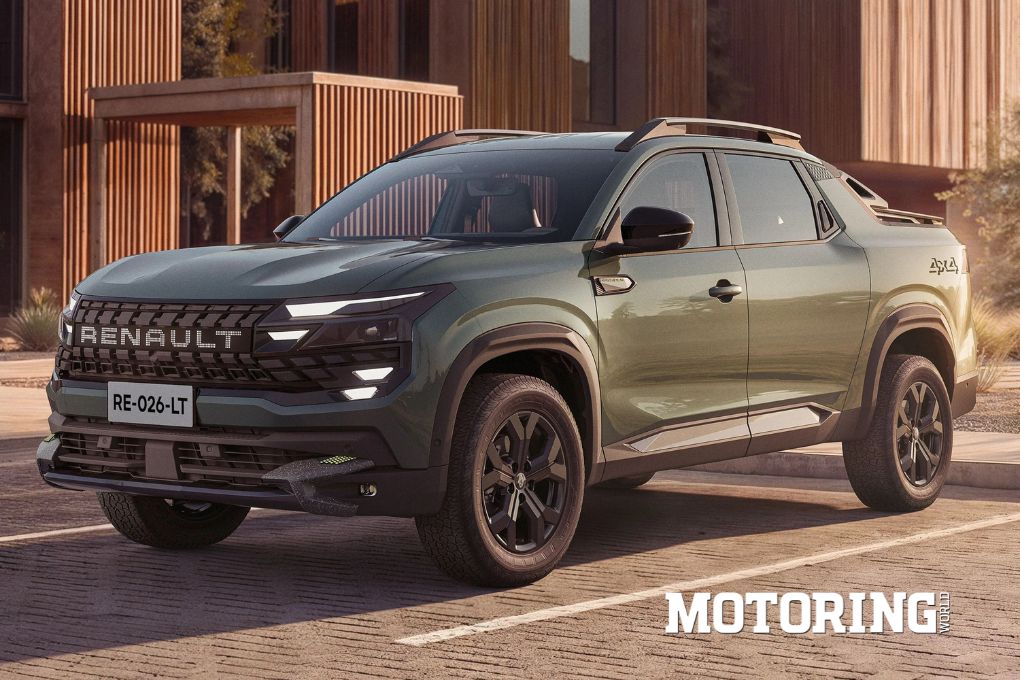


Renault has unveiled the Niagara, a new double-cab pickup based on the same platform as the Duster. It will go on sale in Brazil from November 2026 with a 1.3-litre turbo-petrol engine, 4×2 and 4×4 options, and a hybrid version is expected to follow in 2027. The Niagara is aimed primarily at the South American market, where pickups are as much family vehicles as they are workhorses.
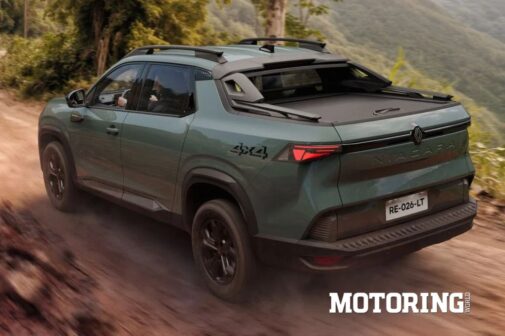
At 4940 mm long, 1830 mm wide and 1720 mm tall, the Niagara is a mid-size pickup, with a 2960mm wheelbase. Its cargo bed can carry up to 938 litres, while the pickup has a payload capacity of 654 kg and can tow up to 710 kg. It will be offered with 17- and 18-inch wheels depending on the variant. Despite sharing its underpinnings with the Duster, the Niagara has its own identity. The front end takes inspiration from Renault’s larger Boreal SUV, with a broad black grille, a larger bumper, chunky lower protection and distinctive lighting. Squared-off wheel arches, prominent body cladding and roof rails give it the familiar rugged pickup look, while the tailgate gets large embossed Niagara lettering.
The Niagara will initially be sold with a 1.3-litre four-cylinder turbo-petrol engine. In Brazil, the motor produces 156 bhp and 270 Nm of peak torque. Buyers can choose between a six-speed manual and a six-speed dual-clutch automatic. The entry-level version gets front-wheel drive and the manual gearbox, while the mid-spec versions pair front-wheel drive with the automatic. The range-topping Outsider gets the automatic gearbox and, importantly, four-wheel-drive. That makes the Niagara more capable than the outgoing Renault Oroch in Brazil, which was never offered with four-wheel-drive. The 4×4 system is designed to give the Niagara better traction on loose surfaces, mud and rough rural roads, while the front-wheel-drive versions are expected to appeal more to buyers who primarily use their pickups in cities and on highways.
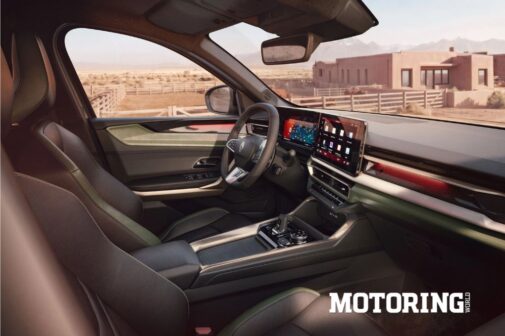
The cabin is considerably more SUV-like than you might expect from a pickup. Renault has borrowed heavily from the Boreal, including a 10.2-inch digital instrument cluster and a 10.1-inch touchscreen infotainment system with Google built in. Google Gemini will also be available, allowing drivers to use more natural voice commands. The rear seatbacks can recline by 25 degrees, while there is 36 litres of additional storage behind the rear seats. The Niagara also gets USB-C ports and a range of driver-assistance features, including adaptive cruise control with stop-and-go, lane-keeping assistance, automatic emergency braking, blind-spot warning, traffic-sign recognition, automatic parking and a 360-degree camera.
The Niagara is part of Renault’s wider push to develop products specifically for markets outside Europe. Latin America is particularly important, with the pickup being designed and engineered around the requirements of the region. Renault says the vehicle has undergone extensive testing across different road and weather conditions before entering production. The company already has considerable experience in the Brazilian pickup market through the Oroch, which has been on sale since 2016. The Niagara takes that formula a step further, adding four-wheel drive, more sophisticated technology and the option of hybrid power.