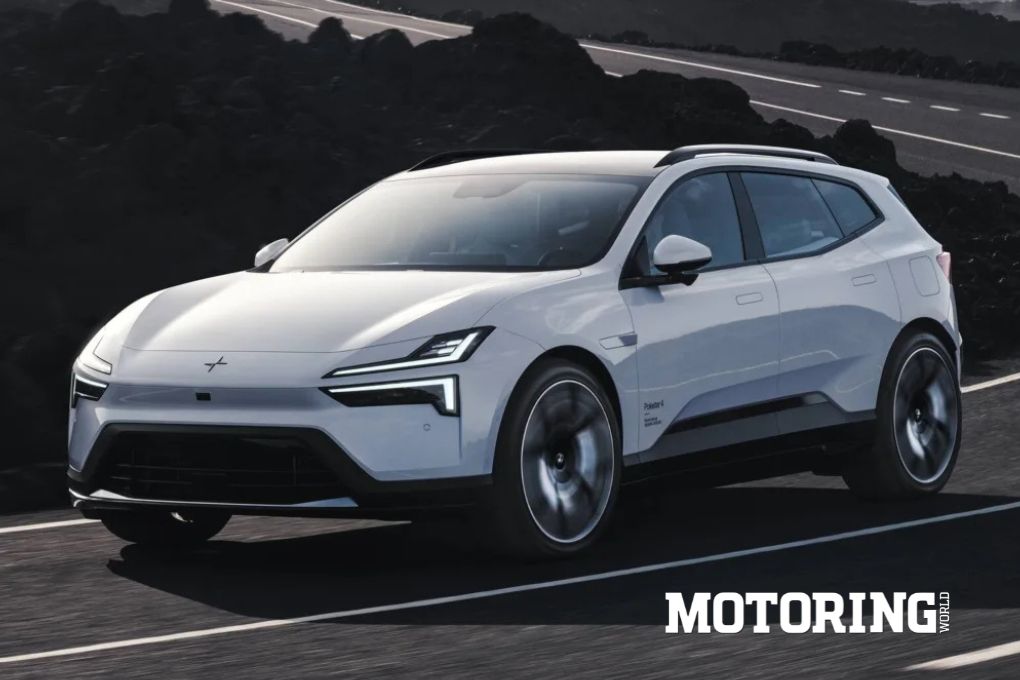


The Polestar 4 has always been one of the more unusual electric SUVs. Its low-slung shape, minimalist cabin and striking design helped it stand out from the usual electric crossover crowd, but there was one feature that made it particularly divisive: it didn’t have a rear window. Now, Polestar has introduced a more conventional SUV version of the 4, bringing back the glass and adding a useful dose of practicality in the process.
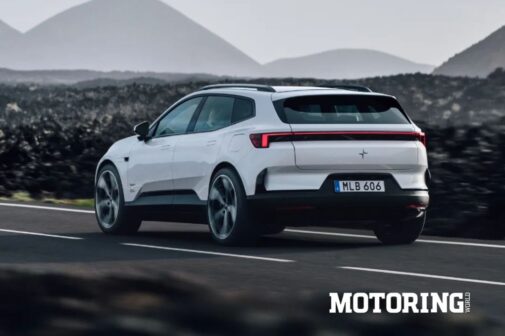
Called the Polestar 4 SUV, the new model sits alongside the existing coupe rather than replacing it. And while the basic design remains familiar, the rear end has been substantially reworked. The roofline is taller and the tailgate is more upright, giving the car a shape that is arguably closer to an estate than a traditional SUV. Most importantly, there is now an actual rear windscreen, meaning you can look out of the back without relying on the roof-mounted camera and digital rear-view mirror used by the coupe.
That change also makes a difference to practicality. With the rear seats in place, the SUV offers 655 litres of luggage space when measured up to the roof, while the coupe manages 526 litres under its parcel shelf. Fold the rear seats down and capacity rises to 1680 litres, compared with 1536 litres in the coupe. Rear passengers also get an additional 25 mm of headroom, which should make the SUV a more comfortable proposition for taller occupants.
Underneath, however, the Polestar 4 SUV is closely related to the coupe. It uses the same Geely-developed SEA platform and retains the same single- and dual-motor powertrains. The rear-wheel-drive version produces 268 bhp and takes 7.3 seconds to reach 100 kph, while the dual-motor all-wheel-drive model makes 536 bhp and can complete the same sprint in 3.9 seconds.
The 100 kWh battery has also been tweaked, resulting in a slightly better claimed range. The single-motor version can cover up to 629 km on the WLTP cycle, while the dual-motor version is rated at 600 km. However, the 4 SUV retains its 400-volt electrical architecture and 200 kW maximum DC charging capability. A new vehicle-to-load function also allows the car to power external equipment or even charge another EV in an emergency.
Polestar has also revised the chassis, with the focus shifting towards greater comfort, refinement and steering precision. Cars equipped with the optional Performance Pack get adaptive ZF dampers, Brembo brakes and 22-inch wheels wrapped in Pirelli P Zero tyres, while standard versions use passive dampers and Hankook tyres.
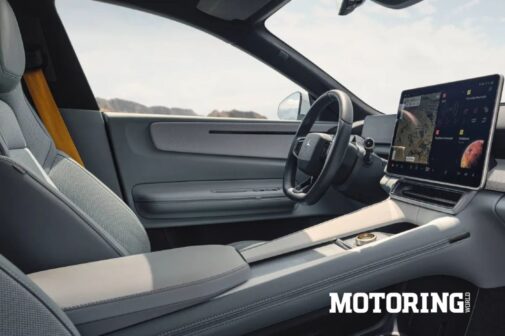
The cabin remains largely unchanged, although the 15.4-inch horizontal touchscreen now gets more shortcut buttons and Google Gemini has been integrated into the Google-based infotainment system. The new SUV also gets features such as a camping mode, roof rails and increased versatility for carrying larger loads.
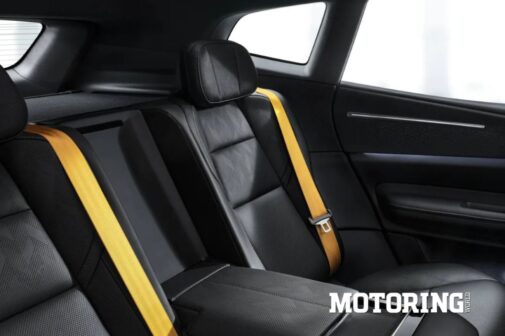
So, while the original Polestar 4’s no-rear-window design will continue to appeal to buyers after something a little different, the new SUV feels like a more sensible take on the same idea. It keeps the dramatic styling and strong performance, but adds a proper rear windscreen, more space and a little more everyday usability. In other words, Polestar has finally fixed the one thing about the 4 that had everyone asking the same question: why is there no rear window?