

The River Indie is a machine that defines its identity within minutes of you swinging a leg over it. Though it was born in Bengaluru’s tech ecosystem, my time with the 2025 version played out on Mumbai’s unforgiving, pothole-riddled roads. Since its launch in 2023, the Indie has positioned itself as a utility-first electric scooter with a no-nonsense attitude, and for 2025, River has introduced what it calls the Gen 3 update.
This isn’t a ground-up redesign, but the changes are significant enough to alter how the scooter feels in everyday use. There’s a new final drive, reduced weight, increased ground clearance and a narrower handlebar. On paper, it all sounds sensible. What really matters, though, is how it performs in the chaos of Mumbai traffic.
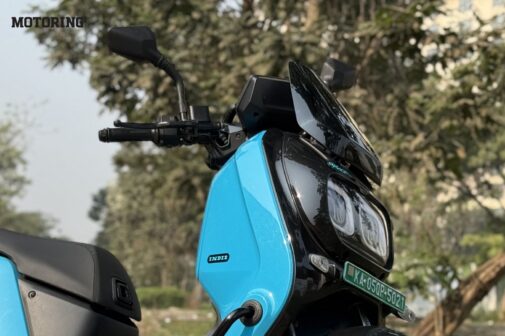
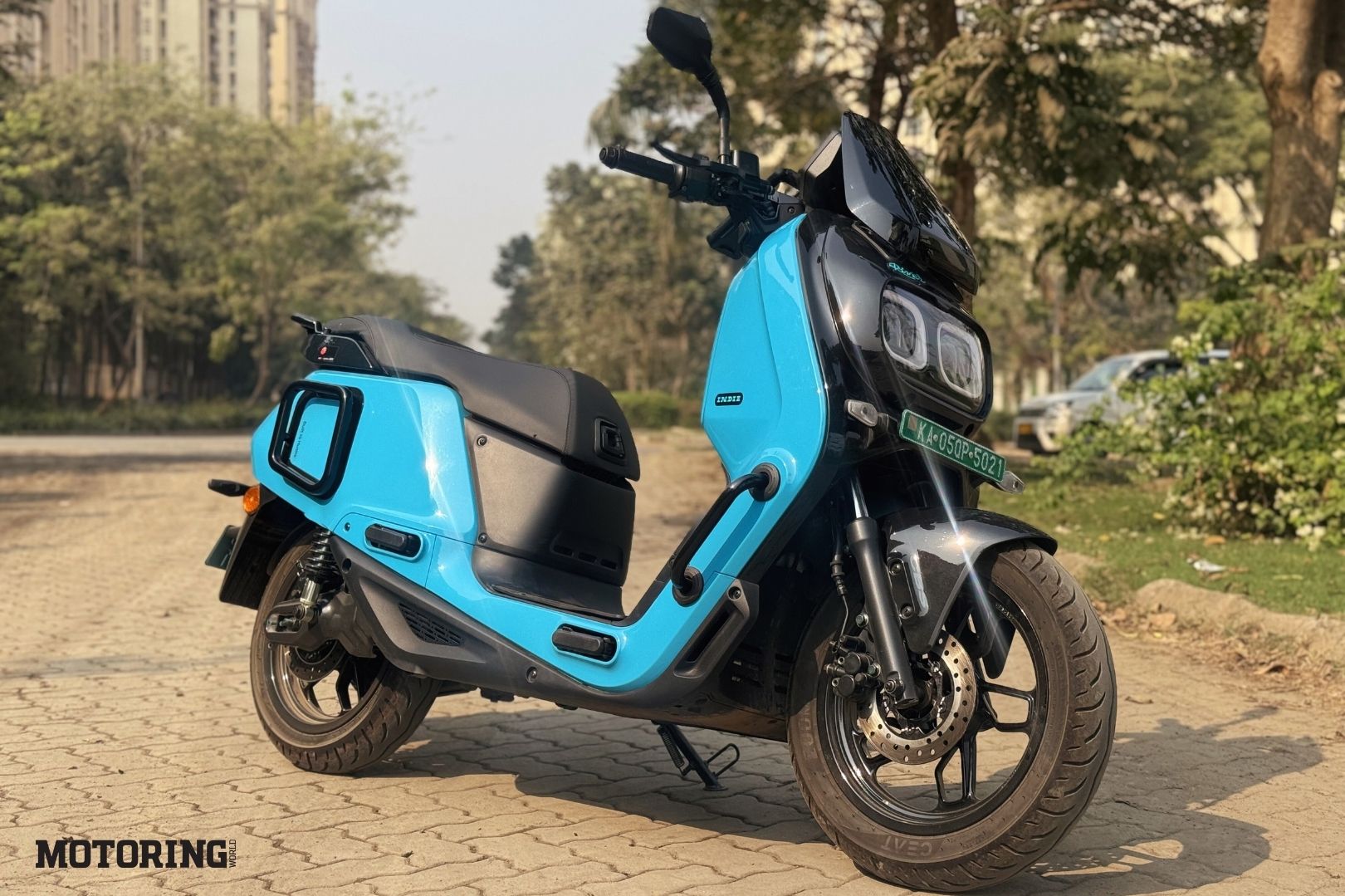
You can’t talk about the Indie without addressing how it looks. This scooter completely ignores the conventional family-scooter template. During a single afternoon commute, I was stopped multiple times by people asking about the brand and the price. I even had riders pull alongside just to get a better look. That kind of attention is rare in a city flooded with electric two-wheelers that mostly blend into the background. The Indie stands out because it looks like a piece of industrial equipment rather than a plastic appliance. The reactions are almost always positive, curious smiles, double takes at traffic lights, and that says a lot about the design language River has established.
What’s more impressive is that the Indie doesn’t look different just for the sake of it. The design is clearly led by function. Instead of a slim apron, you get a massive 12-litre front storage box that feels more like a tool chest than a scooter compartment. Chunky crash guards are integrated directly into the bodywork, and the overall silhouette is boxy and honest. The 43-litre underseat storage is genuinely cavernous, making you wonder why cargo space is such a struggle for most manufacturers. And if that still isn’t enough, there are pannier racks at the rear. This doubles as crash protection, eliminating the need for ugly aftermarket guards that usually ruin a scooter’s proportions.

All this practicality does mean the Indie is physically larger than your average scooter, and that’s obvious the moment you get on. It runs 14-inch wheels and uses a dual-shock rear suspension setup. The payoff is space, lots of it. As a larger rider, I found the Indie to be one of the most comfortable scooters I’ve tested. There’s ample room to stretch out, and the seat remains supportive even during hour-long traffic crawls. The rear suspension does an excellent job of smoothing out broken tarmac. The front fork, however, feels noticeably stiffer. Hit sharp concrete ridges on flyovers, and you feel a jolt through the wrists, creating a clear contrast between the plush rear and firmer front end.
The most significant mechanical change for 2025 is the switch from a belt drive to a chain drive. River claims this reduces long-term ownership costs, and the reasoning is sound. The earlier belt needed replacement every 10,000 km, while the new chain and sprocket should last between 15,000 and 20,000 km if maintained well. There’s also a performance benefit. Chains typically lose less power than belts, and this showed up in testing, with the Indie improving its 0–70 kph sprint by nearly a full second. That extra urgency is genuinely useful when darting through gaps in moving traffic.
Of course, a chain drive brings added responsibility. Maintenance is now more demanding, with River recommending cleaning and lubrication every 1,000 km. Thankfully, the chain is well protected from road grime by a sturdy cover, and there’s a removable panel for easier access. Alongside this update, the 2025 Indie gets a narrower handlebar for better traffic filtering, a revised LCD cluster with improved readability, and a weight reduction to 135 kg. The hazard switch has also been repurposed into a park-assist button, which makes sense given the scooter’s size.
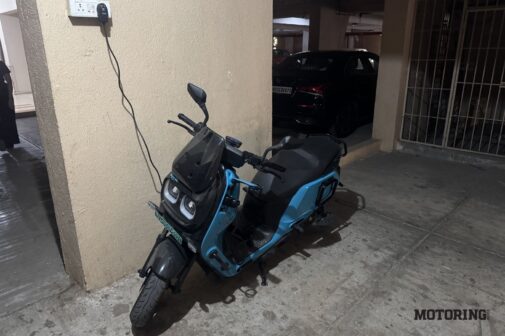
Living with the Indie does reveal a few frustrations. The biggest one is its heavy reliance on a physical key. In a world where EVs are embracing keyless systems and smartphone integration, the Indie feels dated. There’s no quick-release for the boot or the front box. Charging the scooter is a surprisingly involved process: unlock the boot, then unlock the front apron, and only then access the charging flap, all using the same key. It quickly becomes tedious in daily use and feels out of step with the otherwise well-thought-out product.
The Indie’s biggest challenge, however, isn’t the scooter itself. River’s limited sales and service network means ownership viability depends heavily on where you live. At Rs 1.47 lakh, it’s a considerable investment, but one that delivers a rare blend of utility, comfort and real-world usability. The Indie feels less like a gadget built for marketing slides and more like a tool for daily life. If you have access to River’s ecosystem, it remains one of the most thoughtfully engineered electric scooters on sale today.