

The updated Versys 650 continues with the same 649 cc parallel-twin engine, while gaining revised styling, smartphone connectivity and a more touring-focussed setup
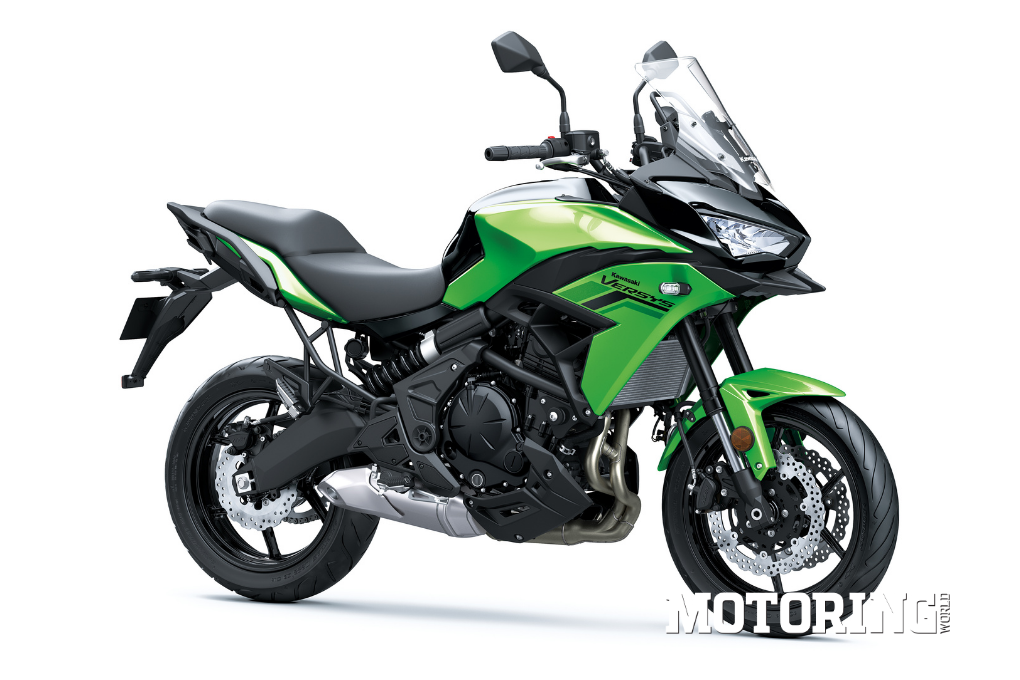
Kawasaki has updated one of its more quietly capable motorcycles for 2027, with the Versys 650 receiving a styling refresh, upgraded electronics and a few changes aimed at making long-distance riding even more comfortable. It is not a dramatic reinvention of the middleweight adventure-tourer, but then the Versys has never really needed one. Its entire purpose is to make a very wide variety of roads feel like a perfectly sensible place to be.
The MY27 Kawasaki Versys 650 continues with the familiar 649 cc liquid-cooled parallel-twin engine. The motor produces 66 bhp at 8,500 rpm and 61 Nm at 7,000 rpm, with the powerplant paired with a six-speed gearbox and wet multi-disc clutch. Kawasaki says the engine has been tuned to deliver strong mid-range performance, making it suitable for everything from daily commuting to highway cruising and weekend rides through twisty roads.
Underneath, the Versys retains its tubular diamond frame and long-travel suspension setup. There is 150mm of travel at the front and 145mm at the rear, with a 41mm telescopic fork up front and a rear monoshock featuring remote spring preload adjustment. That means riders can alter the setup depending on whether the motorcycle is being ridden solo, carrying a pillion or loaded with luggage.
And luggage is very much part of the Versys 650’s intended brief. The motorcycle gets a 21-litre fuel tank, an upright riding position and a slim chassis, all of which are designed to make covering long distances less of an endurance test. The seat height is 845 mm, while the wide handlebars are intended to offer a relaxed and commanding riding position.
The MY27 model also receives a redesigned upper cowl and bodywork inspired by the larger Versys 1000. Kawasaki describes this as creating a more unified “Versys family face”, and the result is a motorcycle that looks considerably more purposeful than a machine designed merely to ferry you to work and back.
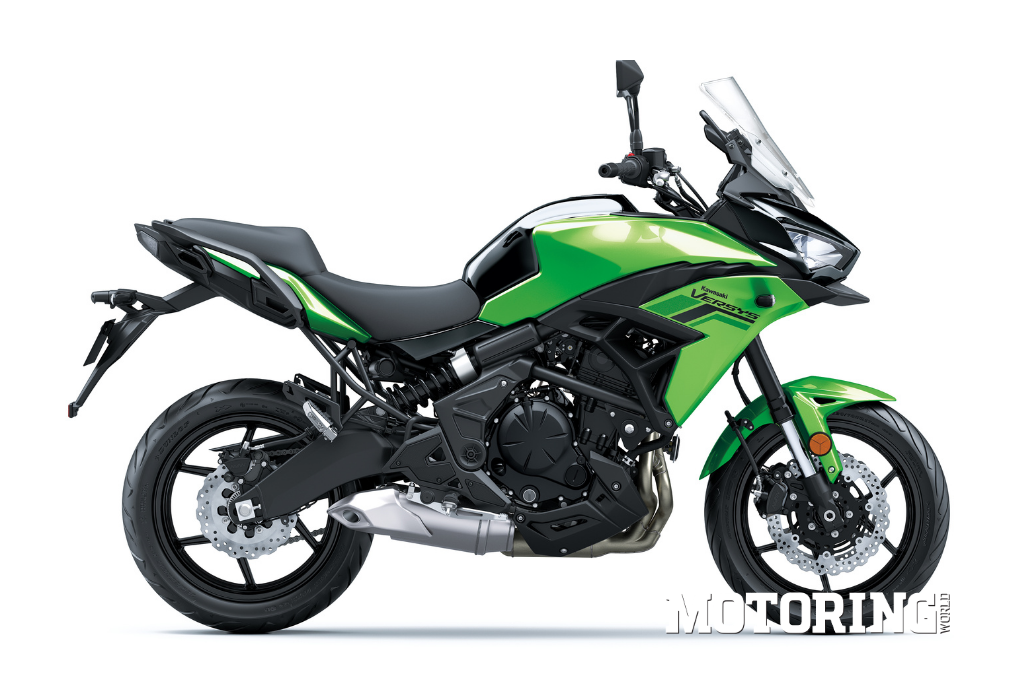
The windscreen is now four-way adjustable, with approximately 80 mm of total adjustment. The four positions can be changed from the rider’s seat, while Kawasaki will also offer a larger accessory screen that is 100 mm taller for riders who want even more protection from the elements.
The electronics package has also moved forward. The Versys 650 now gets a 4.3-inch full-colour TFT instrument cluster with smartphone connectivity, bringing a more modern interface to the cockpit. LED headlights, a matching LED tail-light and LED indicators also form part of the updated package.
Kawasaki’s traction control system is included as well, with two modes allowing riders to tailor its intervention according to conditions and preference. The system is intended to provide additional confidence on lower-grip surfaces without taking away from the motorcycle’s ability to entertain when the road gets interesting.
The Versys continues to roll on sporty 17-inch wheels, shod with 120/70 ZR17 front and 160/60 ZR17 rear radial tyres. Kawasaki says the lightweight wheel design contributes to improved handling, suspension response and high-speed stability. So despite the adventure-tourer label, this is still a motorcycle that appears happiest when the tarmac starts curling into corners.
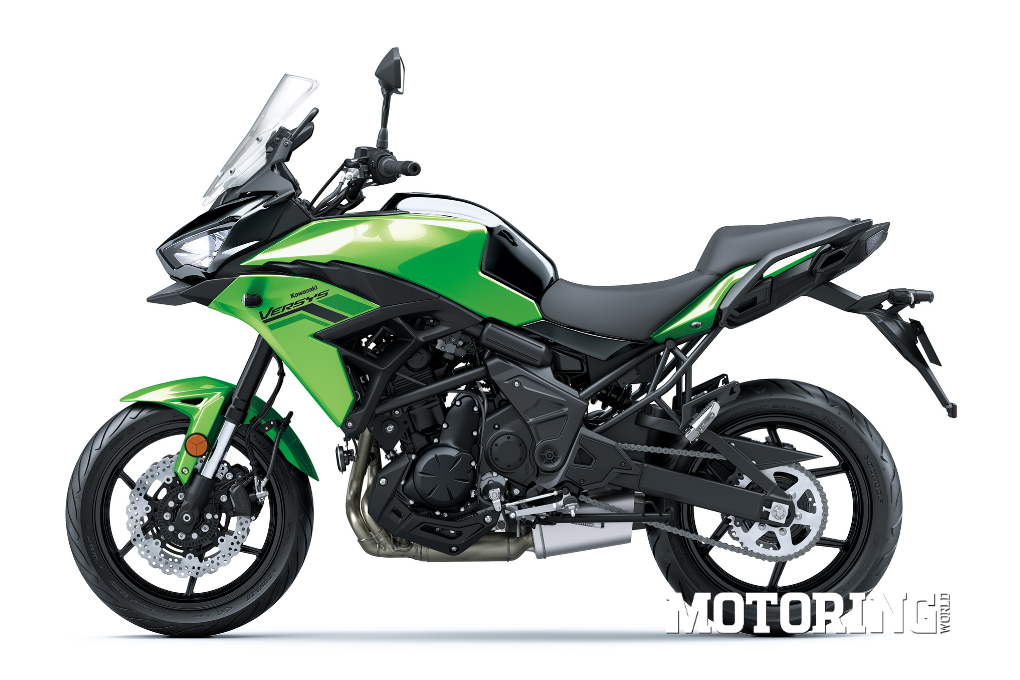
Passenger comfort has not been forgotten either. The Versys gets a broad rear seat with generous cushioning and ergonomically positioned grab rails, reinforcing its credentials as a motorcycle designed to carry two people over serious distances.
In India, the 2027 Kawasaki Versys 650 is priced from ₹ 8.63 lakh, ex-showroom, and will be available in Candy Lime Green. Deliveries are scheduled to begin from the end of August 2026.
There is nothing revolutionary here, and that may actually be the point. The Versys 650’s appeal has always been its ability to sit somewhere between a commuter, sport motorcycle and tourer without becoming particularly obsessed with any one of them. For 2027, Kawasaki has simply sharpened the formula, added some much-needed modern technology and given it a fresh face. Sometimes, versatility is its own kind of performance.