


Until recently, VinFast felt like one of those names you’d heard in passing; interesting, ambitious, but still distant. A brand from Vietnam, entering one of the world’s most complex automotive arenas, talking big about electric mobility. Then you spend time with it. You walk its floors, meet the people behind the decisions, see the systems, the ambition, the scale. And suddenly, VinFast stops feeling like a newcomer trying its luck and starts feeling like a manufacturer that has already committed to the long road ahead.
This trip was not about PowerPoint decks or curated soundbites. It was about context. And what became clear very quickly is that VinFast’s India story is not being stitched together in isolation. It is part of a much larger, carefully structured plan, one that has been in motion for years and is now accelerating rapidly.

To understand VinFast, you first need to understand Vingroup. In Vietnam, Vingroup is not just a corporate entity; it is an ecosystem. From real estate and education to healthcare, retail, technology, mobility, and renewable energy, the group has methodically built a vertically integrated network that touches everyday life. VinFast is one pillar of that ecosystem, but it draws strength from everything around it: capital, talent, infrastructure, research, and long-term vision. This is not a startup burning investor cash to chase headlines. It is a strategic industrial play backed by a group that thinks in decades, not quarters.
That mindset is reflected clearly in how VinFast has approached mobility. While its early years saw the development of internal-combustion products with global partners like BMW, the decisive pivot to full electrification in 2022 was bold and uncompromising. No half measures, no parallel ICE strategy. Electric vehicles, electric scooters, electric buses, and the charging ecosystem to support them, everything aligned under a single direction. Sustainability here isn’t a buzzword; it’s the foundation.

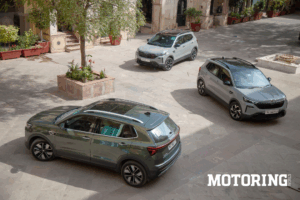
What makes the VinFast story particularly relevant for India is how intentionally the brand is entering the market. This isn’t a tentative toe-dip. The first public signal came at Bharat Mobility Global Expo earlier this year, where VinFast showcased its entire global product range. From compact urban EVs to family SUVs, scooters, and buses, the message was clear: this is not about launching one halo product and waiting to see what happens. This is about building a portfolio that can scale across segments and price points.
Equally important has been the speed of execution on the ground. In an industry where network building often drags on for years, VinFast has already crossed 35 dealerships across India in an exceptionally short span of time. These aren’t token touchpoints either. They are full-fledged sales and service facilities designed to support early adopters and build confidence in a brand that understands the critical role of after-sales trust in the Indian market. What this really means is that VinFast isn’t asking customers to take a leap of faith; it’s meeting them halfway.
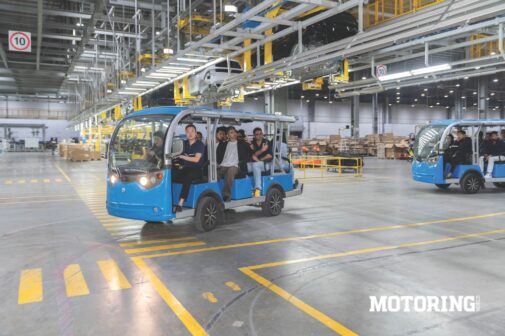
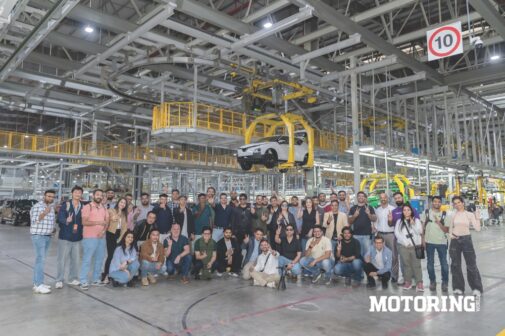
The most significant statement of intent, however, arrived in August 2025, with the inauguration of VinFast’s first India manufacturing plant in Thoothukudi. Manufacturing locally is not just about cost efficiency or incentives; it’s about commitment. It signals that India is not merely a sales destination but a production and export hub in VinFast’s global roadmap. The Thoothukudi facility is expected to anchor VinFast’s long-term operations in the region, enabling localisation, faster response to market needs, and deeper integration with Indian suppliers.
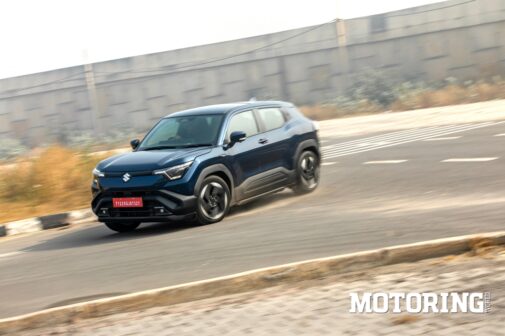
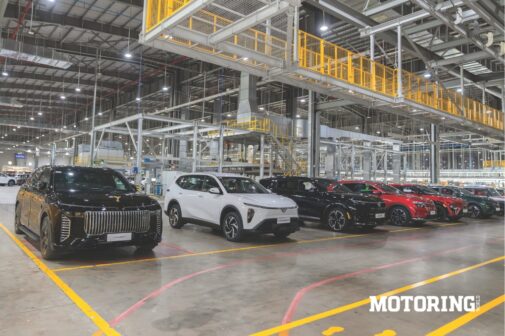
Product-wise, the first major milestones are already locked in. September 2025 will see the launch of the VinFast VF 6 and VinFast VF 7 in India, two SUVs that sit right at the heart of the country’s fastest-growing segments. These aren’t experimental models or limited-run imports. They are global products, developed to meet international safety, performance, and quality benchmarks, now being adapted for Indian conditions and expectations. Design-led, technology-forward, and positioned to offer a strong value proposition, the VF 6 and VF 7 represent VinFast’s belief that Indian buyers are ready to embrace EVs that feel aspirational, not compromised.
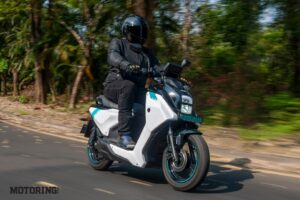
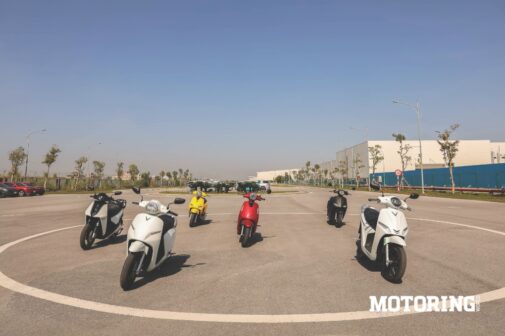
But VinFast’s India narrative isn’t confined to cars alone. One of the more compelling aspects of the visit was seeing the breadth of the company’s two-wheeler and commercial mobility operations. Electric scooters are a massive part of Southeast Asia’s transport fabric, and VinFast brings deep experience here. Its scooter lineup, already well established in Vietnam, demonstrates how EV adoption can succeed at scale when products are affordable, reliable, and supported by robust infrastructure.
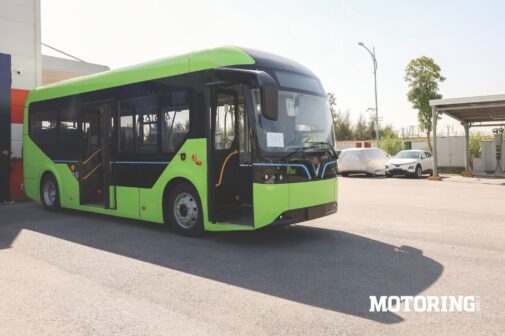
Then there are the electric buses, quietly transformative machines that could reshape urban mobility over the next decade. VinFast’s bus operations highlight its ability to think beyond private ownership and into public transport solutions, fleet operations, and city-level electrification strategies. This is where the brand’s ecosystem thinking really comes into play.
Charging, often the Achilles’ heel of EV adoption, is being addressed head-on. VinFast is not relying solely on third-party infrastructure. It is actively investing in charging solutions, partnerships, and deployment strategies that align with its product rollout. The idea is simple: selling an EV without ensuring convenient charging is incomplete. By taking ownership of this challenge, VinFast is removing one of the biggest psychological barriers for new EV buyers.
What stands out across all of this is pace. VinFast moves fast, sometimes uncomfortably fast by traditional automotive standards. Plants were built in under two years. Market entries across continents. Rapid portfolio expansion. Heavy upfront investment. It’s a strategy that feels more Silicon Valley than Stuttgart. But it’s also a strategy underpinned by industrial muscle, not just optimism.
Financially, VinFast has been transparent about its status as a company still in a heavy investment phase. Revenues are growing, deliveries are rising sharply year-on-year, but profits are not yet the focus. Instead, money is being channelled back into manufacturing capacity, R&D, warranty coverage, localisation, and brand-building. In the short term, that invites scrutiny. In the long term, it suggests patience and confidence.
After spending time with the VinFast ecosystem, one thing becomes clear: this is not a company chasing relevance. It already believes it belongs on the global stage. India is a critical chapter in that journey, not a footnote. Between a rapidly expanding dealer network, imminent local manufacturing, a well-timed product launch strategy, and the backing of one of Southeast Asia’s most powerful corporate groups, VinFast has laid its cards on the table.
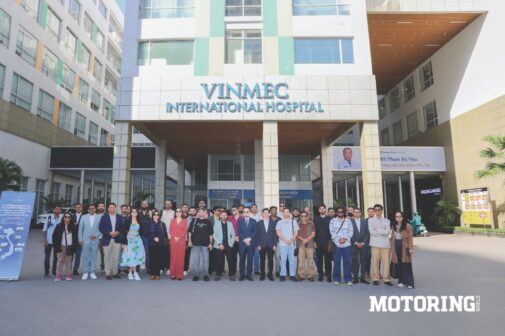
What lies ahead feels promising. On Indian roads, in showrooms, and across charging networks, VinFast now has the opportunity to turn intent into everyday experience — and all signs suggest it is ready for that challenge. With a rapidly growing dealer footprint, local manufacturing on the horizon, thoughtfully chosen products for Indian buyers, and the deep backing of a global ecosystem, VinFast’s entry feels confident rather than cautious. It’s the kind of momentum that builds belief, not just curiosity. And if this early phase is any indication, VinFast’s journey in India is only just beginning — and it’s shaping up to be an exciting one.