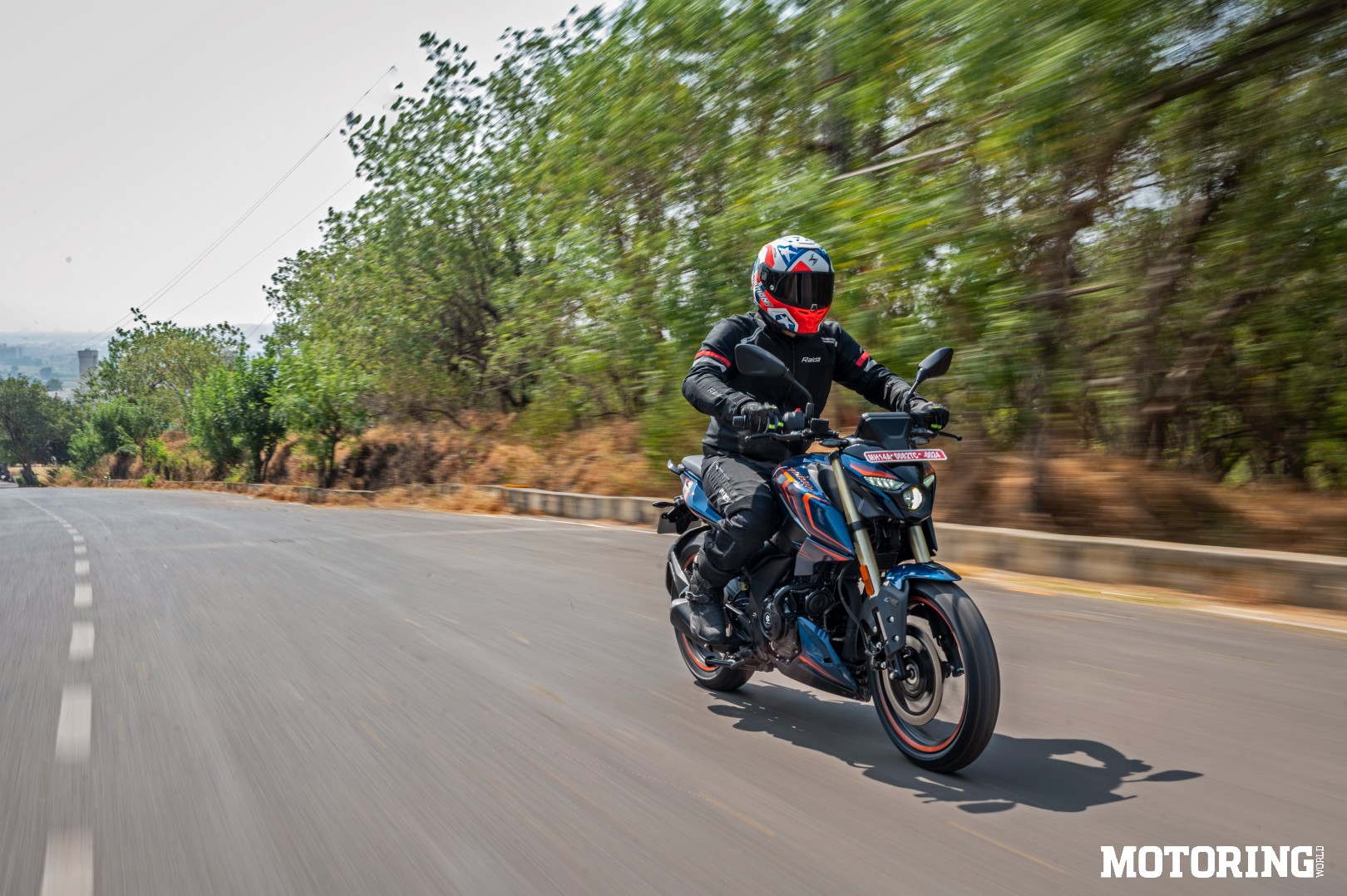


Bajaj’s quarter-century celebrations for the Pulsar brand continue, this time with an update to its quarter-litre naked, the Pulsar N250 SS. This is the second major update for the motorcycle, and it comes with a ₹14,000 premium over its predecessor. That’s a fairly steep asking price for something that looks virtually unchanged. But spend a little time with it, and you’ll realise that the changes run deeper than its familiar exterior suggests.
Let’s get the obvious out of the way. The N250 SS looks exactly like the motorcycle it replaces. And that’s not necessarily a bad thing. The aggressive headlight, sharp tank extensions, sleek tail and 37mm USD fork give it a properly butch appearance. However, it also looks almost identical to the smaller N160 SS. Apart from the latter’s underbelly exhaust, there’s very little to tell them apart. That’s a bit of a bummer when you’re buying the bigger, more expensive motorcycle. After all, you’d want it to have some visual distinction over its smaller sibling, much like the NS200 and NS400 Z do. Thankfully, the new colours, particularly this Atlantic Blue, add some much-needed visual drama.
The N family has always been about balancing performance with everyday usability, and the N250 SS continued to get that balance right. Its 795mm seat height made it accessible to a wide range of riders, while the slightly rear-set footpegs offered enough ground clearance when cornering without making everyday rides uncomfortable. The handlebar, too, struck a sweet spot. It was low enough to make a spirited ride through the ghats engaging, but not so low that a commute to work or college would leave your wrists aching. It’s the sort of ergonomics that makes you want to take the longer route home without dreading the next morning’s commute.
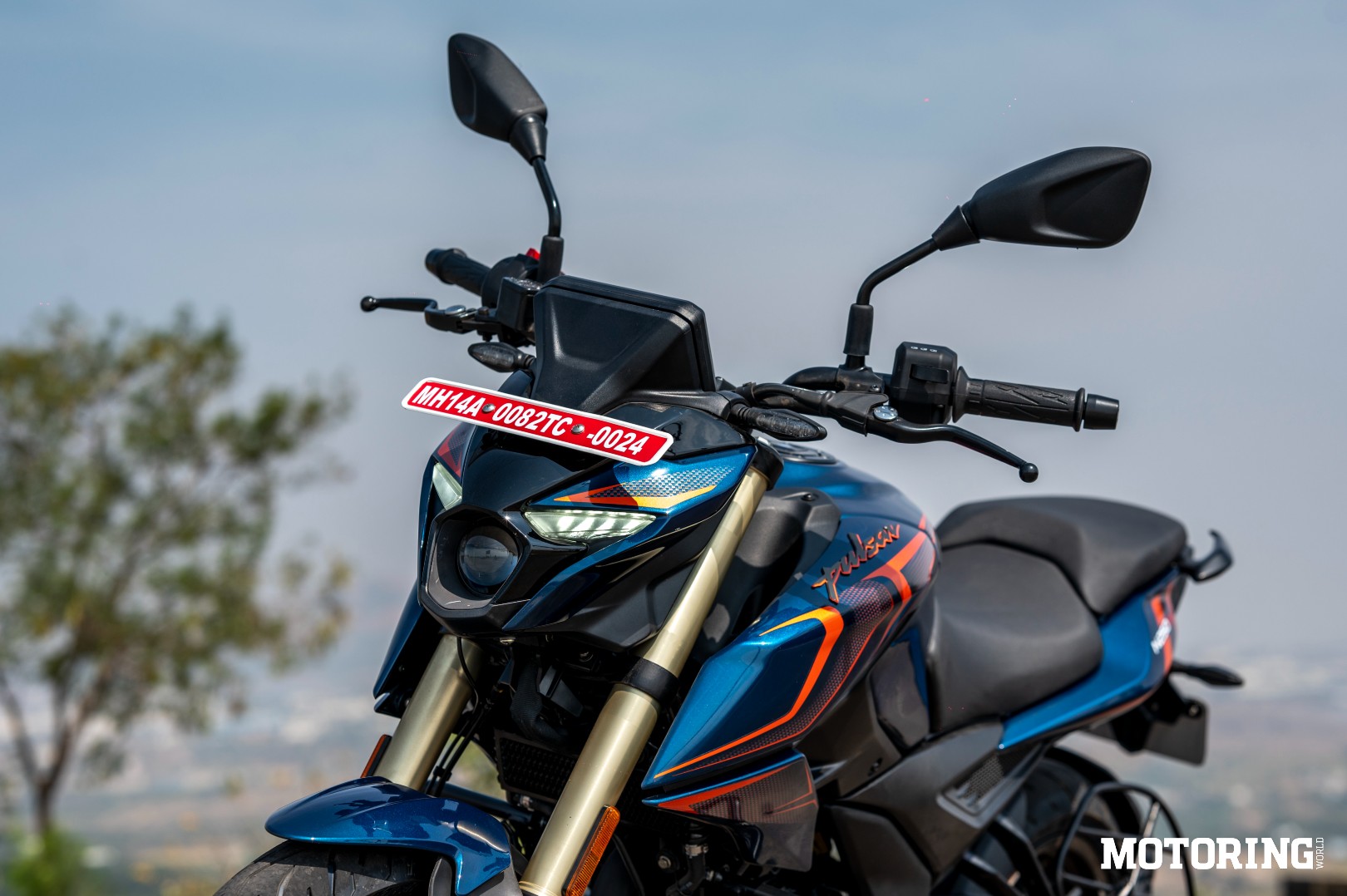

The bigger changes, however, were underneath. Bajaj replaced the previous two-valve head with a four-valve configuration and introduced ride-by-wire. A smaller front sprocket, down by one tooth, also helped sharpen the low-end response. The result was an engine that felt more eager right from just over 3,000rpm, with the rush continuing through the mid-range. There was a mild buzz beyond 4,000rpm, but it never became intrusive enough to spoil the experience.
The throttle response felt direct, and the new six-speed gearbox was slick to operate. A light clutch further helped matters, although the crawl function meant there wasn’t much need to constantly work the clutch or shuffle through the gears in traffic. And when the roads opened up, the quickshifter made things considerably more entertaining. It was a useful addition that encouraged you to explore the engine rather than simply get from one corner to the next.
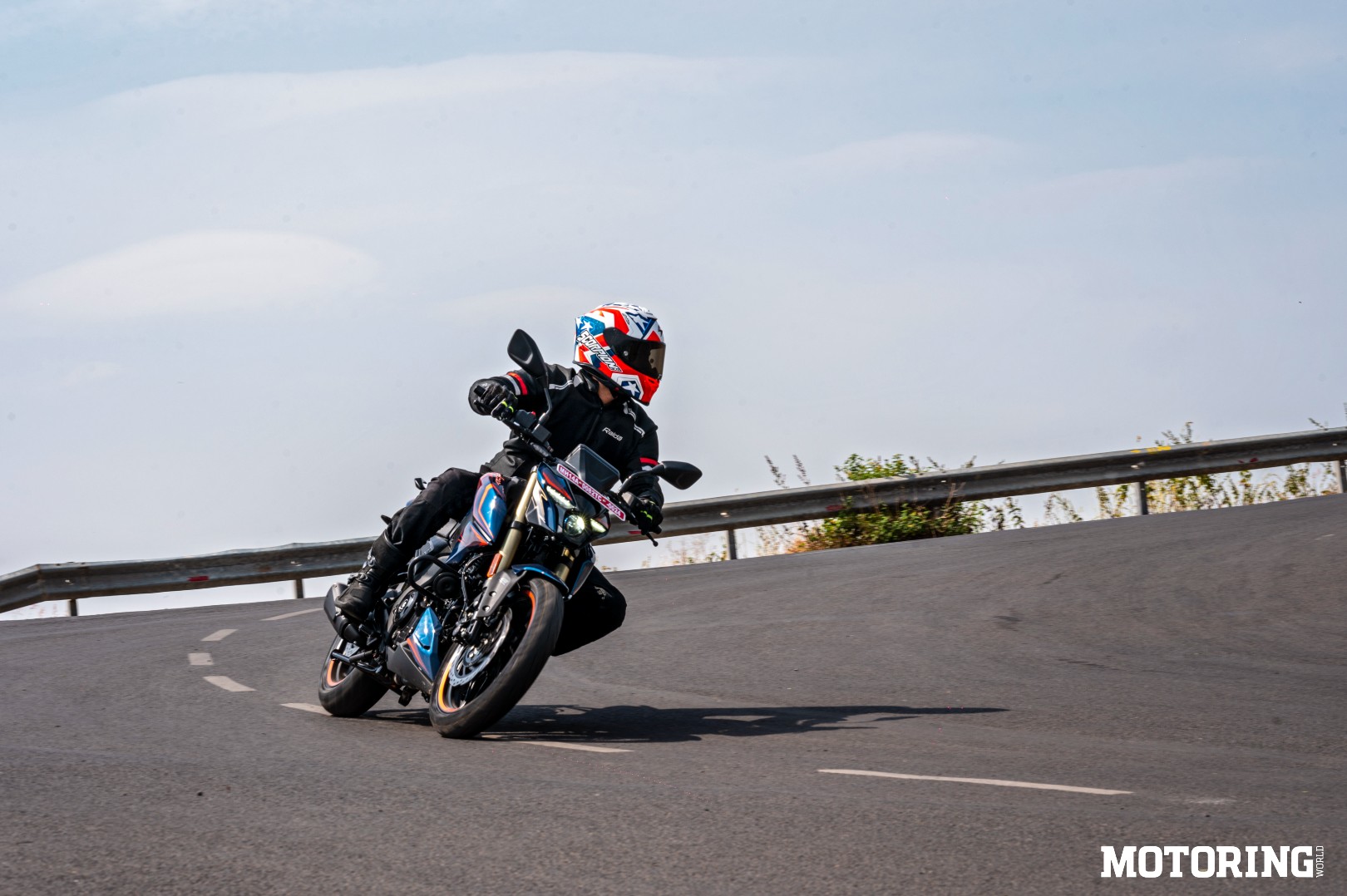
The N250 SS wasn’t trying to be a hardcore sport naked, nor did it need to be. Its suspension setup was competent enough to deal with the occasional broken road while allowing you to enjoy a spirited ride. It felt quick to change direction, held its line well through corners and inspired confidence when ridden enthusiastically. The brakes offered strong initial bite and reassuring stopping power. Much of that confidence also came from the MRF Zapper bias-ply tyres, which held their line under hard braking and offered adequate grip when cornering. The front tyre could have communicated a little more about what was happening underneath, though.
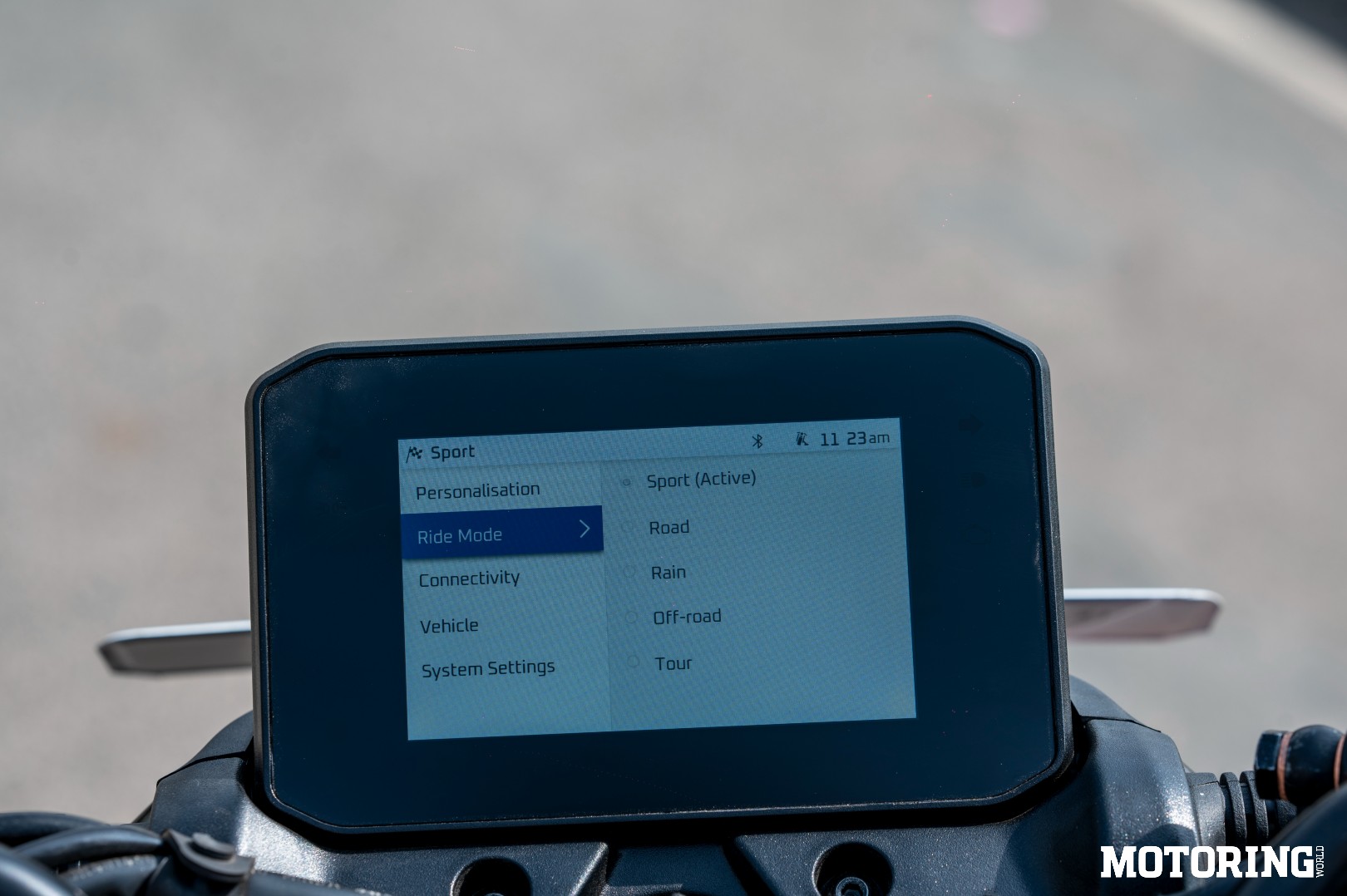
There were a couple of niggles elsewhere, too. The new TFT display looked familiar, given that it was now common across several Pulsar models, and its information was laid out well. However, the matte-finished screen cover was surprisingly reflective under direct sunlight. The interface also lacked the snappiness you’d expect from a modern TFT, while changing ride modes involved an unnecessarily elaborate sequence of button presses. It wasn’t particularly intuitive, especially when you were trying to make adjustments on the move.
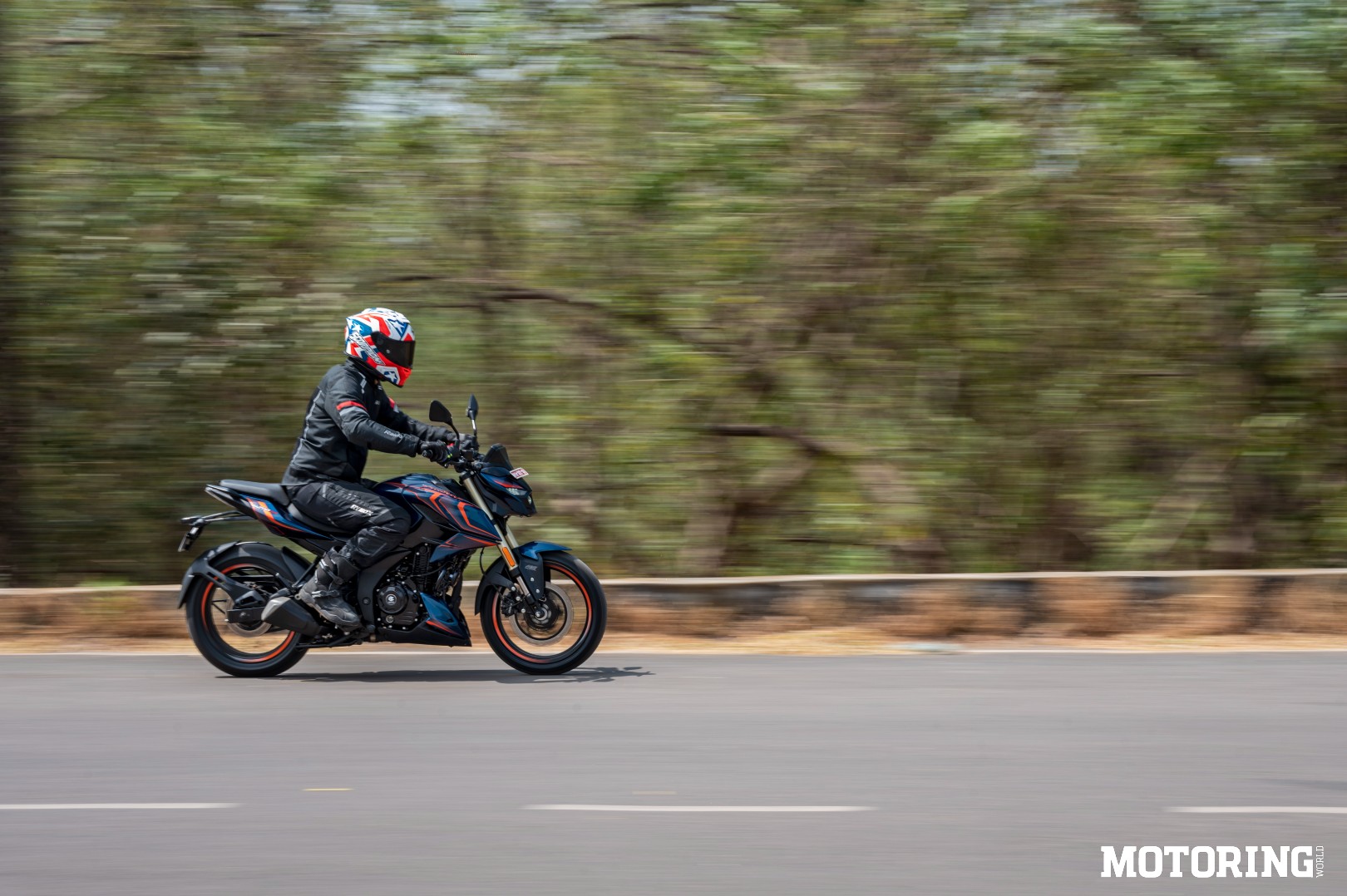
The Pulsar N250 SS remained an appealing proposition despite the price increase. It had the ingredients to make a convincing all-rounder: accessible ergonomics, a punchier engine, engaging handling and enough everyday practicality to keep the weekday commute interesting. It would make a good first motorcycle or a sensible upgrade for someone moving up from a commuter, particularly if they wanted something that could entertain them on weekend rides, too.
Yes, the TFT interface needed refinement, and a little more visual differentiation from the N160 SS wouldn’t have hurt. But if what you’re after is a punchy, approachable motorcycle that can add some excitement to otherwise mundane commutes, the N250 SS still made a compelling case for itself.