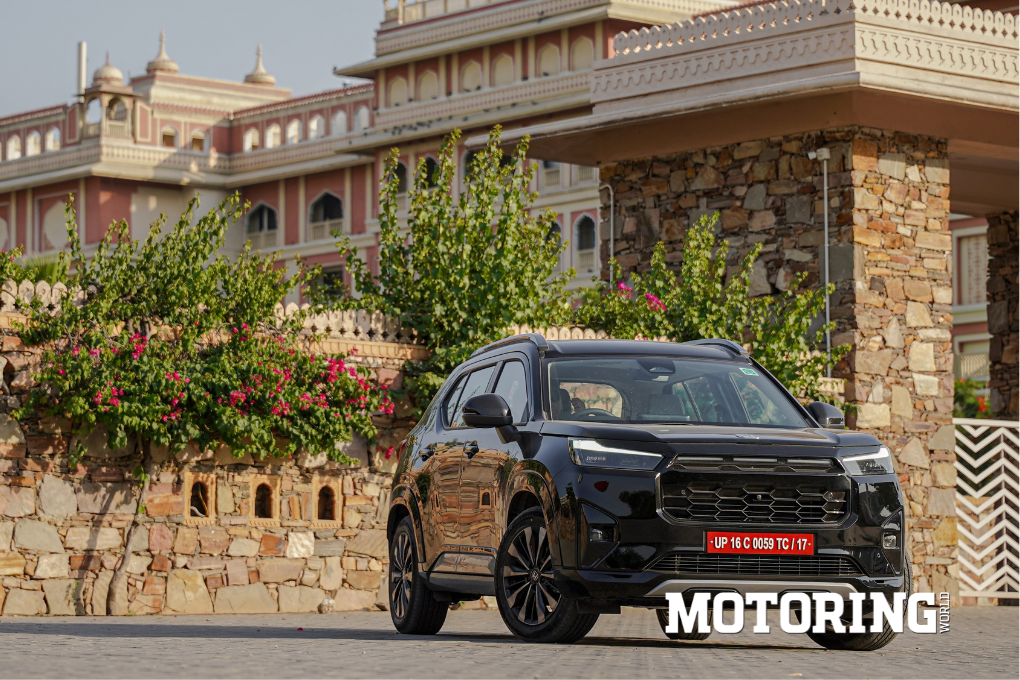


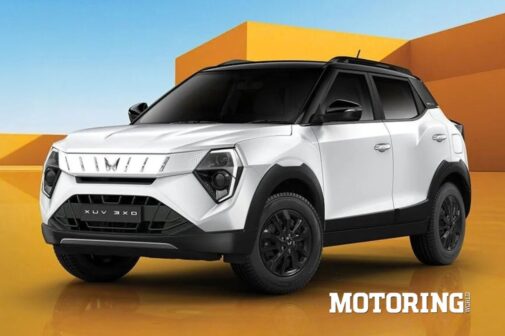
The mid-size SUV segment has grown in size and complexity. Many cars now arrive with bigger grilles, more screens and enough technology to make you wonder whether you are driving a robot. Honda has taken a quieter route with the Elevate facelift, making a handful of useful changes while leaving the basic formula alone. That should appeal to buyers who liked the original, but felt it needed a little more equipment to keep up with newer rivals.
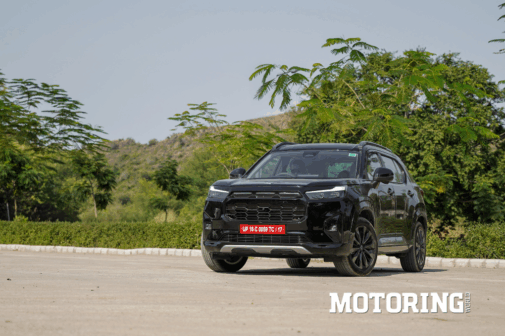
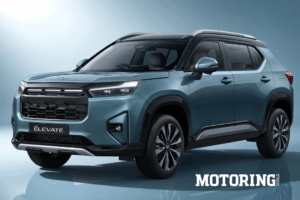
The Elevate’s upright stance, squared-off proportions and generous ground clearance remain. Up front, a new split lightbar works with the tri-bar LED signature to give the nose a more premium, slightly tougher look. At the rear, connected LED tail-lamps bring the design together. The overall silhouette is unchanged, and the unchanged dimensions are worth noting: the Elevate remains 4,312 mm long, 1,790 mm wide and 1,650 mm tall, with a 2,650 mm wheelbase and 220 mm of ground clearance. This is very clearly a refresh rather than a new SUV. It is a sensible approach, though the visual changes are modest. Honda has resisted the temptation to cover the body in extra cladding or reshape the whole thing, simply to make the facelift obvious from across a car park.
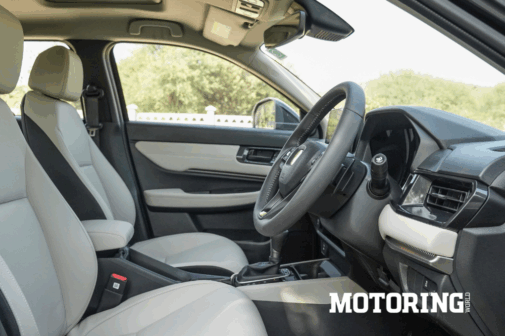
Inside, the dual-tone ivory-and-black treatment gives the cabin a lighter, more upmarket feel. An all-black option is also available for buyers who prefer a more sombre look. Soft-touch finishes and ambient lighting freshen the space, but the most useful cabin addition is ventilation for rear passengers. The front seats are ventilated too, making the Elevate better suited to Indian summers. It is a feature that sounds minor on a specification sheet, but will matter far more on a hot afternoon than another decorative strip across the dashboard.
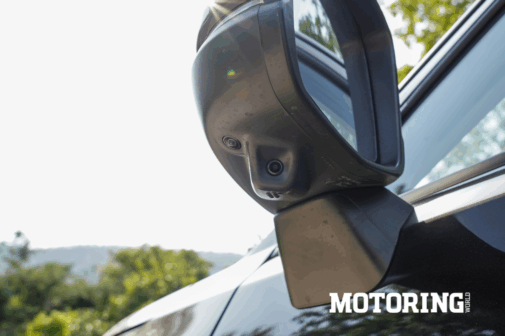
The 360-degree surround-view camera is another worthwhile addition. The Elevate is not especially large, but tight parking spaces have a habit of making even experienced drivers doubt their judgement. The camera makes manoeuvring easier, particularly when there are scooters, low walls or badly placed pillars lurking just outside the mirrors’ field of view. Depending on the variant, the facelift also brings power-adjustable front seats and a larger 10.25-inch touchscreen.
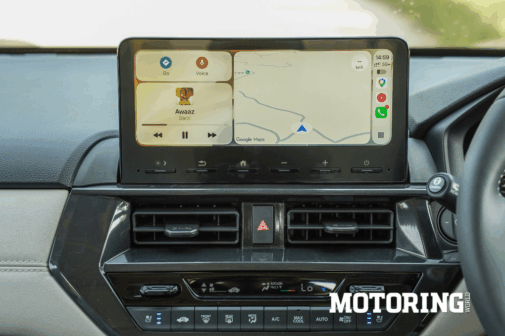
That screen is a mixed bag. The size is welcome, and the display looks more in keeping with what buyers expect from a new car, but the interface still lacks the speed and polish offered by some rivals. It is functional, though it feels behind the times. A larger display only helps if the software makes good use of it, and Honda has more work to do here. Basic functions should be quick to access and respond without hesitation; nobody wants to wait for a menu to load while negotiating a junction.
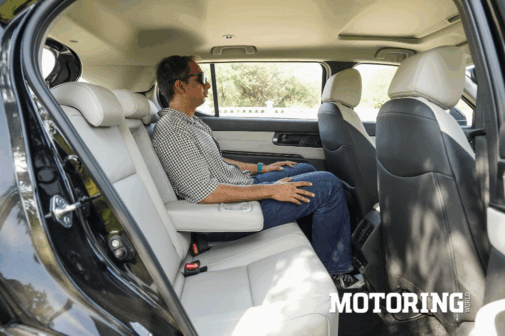
The seats could use attention as well. Ventilation is welcome, but the seat bases feel short and leave taller occupants wanting more thigh support on longer journeys. It is the sort of flaw that may go unnoticed on a quick drive, then become obvious after a few hours on the highway. The front seats offer useful adjustment, but a longer cushion would make the cabin more accommodating for a wider range of body types. Honda has improved the comfort story, though it hasn’t quite finished it.
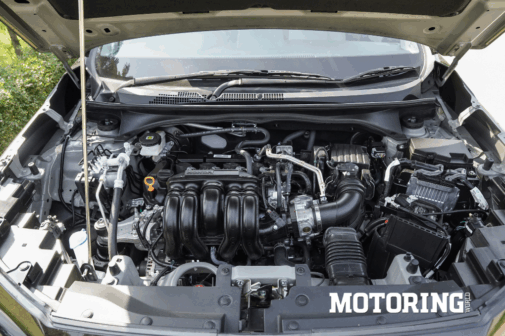
Under the bonnet, Honda has left the familiar 1.5-litre naturally aspirated i-VTEC petrol engine untouched. It produces 119 bhp and 145 Nm, and performance remains measured rather than brisk. You need to work the engine harder for quick overtakes, particularly when joining a fast-moving highway or climbing through the rev range, but it responds willingly as the revs rise. There is no turbocharger to provide shove, just a straightforward engine that rewards being used properly. Drivers who expect a strong mid-range surge may find it subdued, but those who value a predictable response should get along with it.
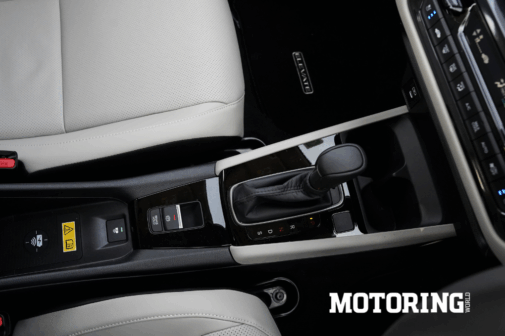
The CVT automatic is easy to live with. Some CVTs make hard acceleration feel like the engine and wheels are having a disagreement, with revs rising while speed catches up. The Elevate’s transmission is better behaved. It settles down quickly and delivers power smoothly, which suits commuting more than chasing lap times. The six-speed manual remains an option for those who prefer more involvement. Neither gearbox turns the Elevate into a performance SUV, but both suit its everyday brief.
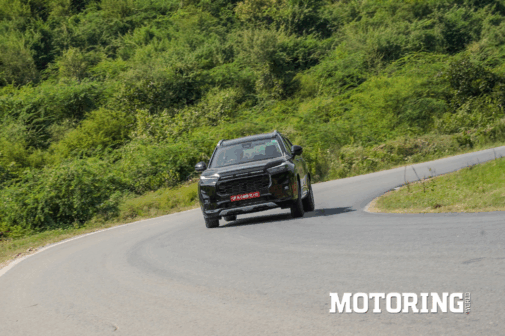
On the road, the Elevate continues to favour predictable manners over sportiness. The steering offers reasonable feedback through corners, but it does not encourage you to hunt for apexes. The car feels composed and is happiest when driven smoothly. That character will suit owners who want a relaxed everyday SUV rather than something that demands constant attention. The upright driving position and clear view ahead also make it easy to judge the car’s edges in traffic, while the ground clearance helps when the road surface becomes less than ideal.
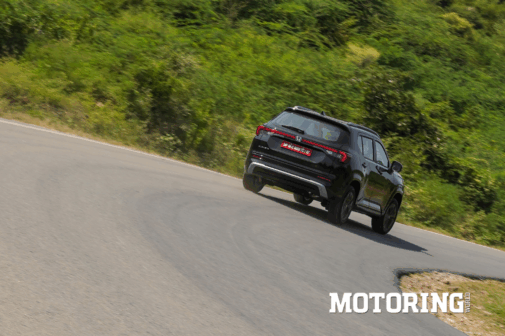
Ride comfort remains a strength, although refinement could be better. Vibrations have been reduced, but road and tyre noise are still noticeable inside the cabin, particularly at speed. Better sound insulation would make the Elevate a more convincing long-distance companion. The engine and gearbox are willing to keep things relaxed; the cabin, meanwhile, lets you hear a rather lot of what is happening beneath the tyres. It is not unbearable, but it does undercut the more premium impression Honda is trying to create with the new trim and extra equipment.
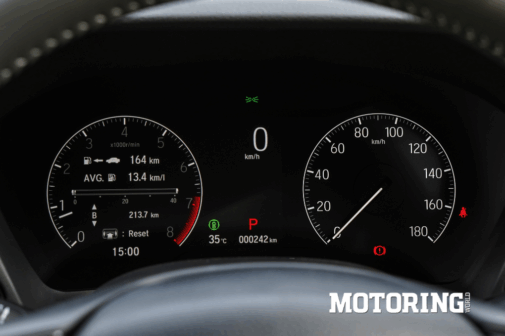
Honda Sensing adds driver assistance features including adaptive cruise control, lane-keeping assistance, collision mitigation braking and road departure mitigation. The low-speed follow function, available with the CVT, is especially useful in stop-start traffic. These systems are designed to assist rather than replace the driver, and they add convenience without making the Elevate difficult to operate. Their value will depend on how often you use them, but they broaden the car’s appeal for buyers who spend long stretches commuting or regularly travel on highways.
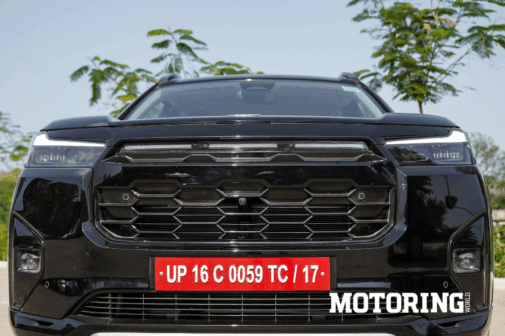
The facelift is therefore about equipment and presentation rather than a change in character. The new lighting gives the exterior a fresher face, while rear-seat ventilation and the 360-degree camera address areas where the earlier car could have offered more. The refreshed cabin looks better, but the infotainment software, short seat bases and cabin noise remain shortcomings. A hybrid powertrain would also have been a welcome addition, especially as buyers increasingly weigh fuel costs against the convenience of a petrol-only car.
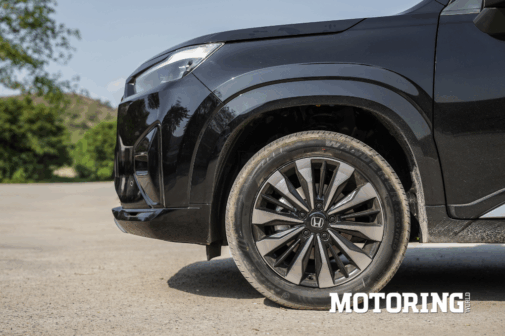
The Elevate will not win every specification-sheet contest, nor is it aimed at buyers who want their SUV to be a rolling technology showcase. Its appeal lies in the familiar engine, easygoing driving manners and straightforward layout. Honda has updated the parts that needed attention without tampering with the fundamentals. That makes the facelift a useful improvement, even if there is still room for a more polished cabin experience. For existing fans, the extra equipment gives them more reasons to stay interested; for new buyers, it makes the Elevate easier to consider alongside newer, more feature-heavy alternatives.