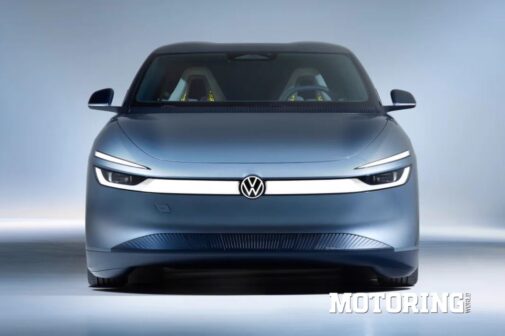
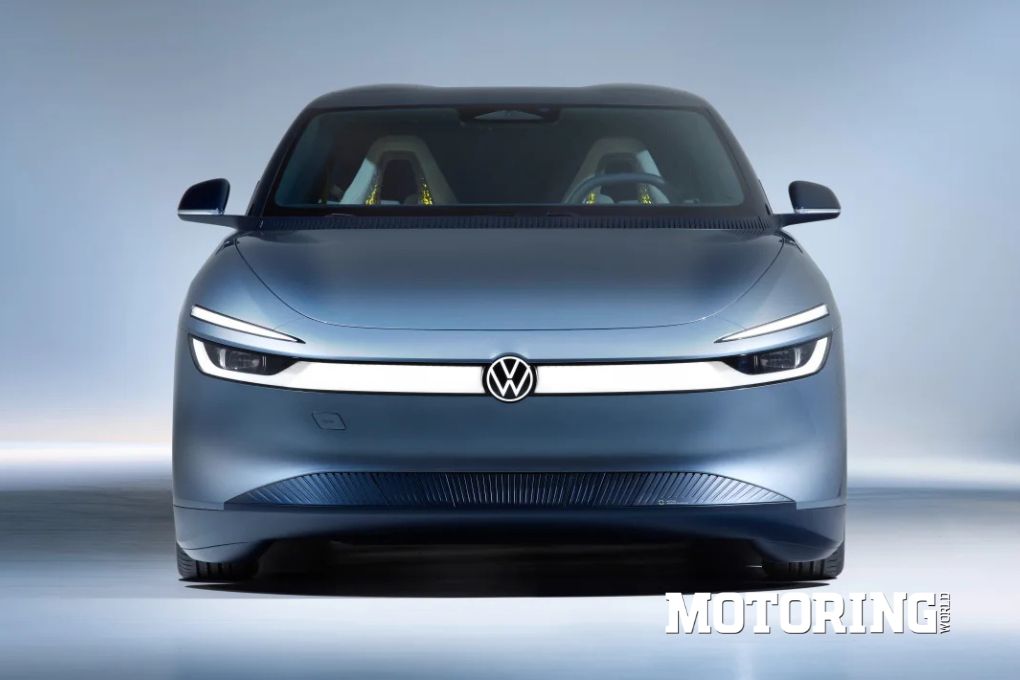


Volkswagen has unveiled the Mission Efficiency, an electric concept designed to show just how far electric efficiency can be pushed. It has already set three records, including a drag coefficient of 0.158 and an officially documented 1278.36 km drive from Wolfsburg in Germany to Vienna in Austria on a single charge.
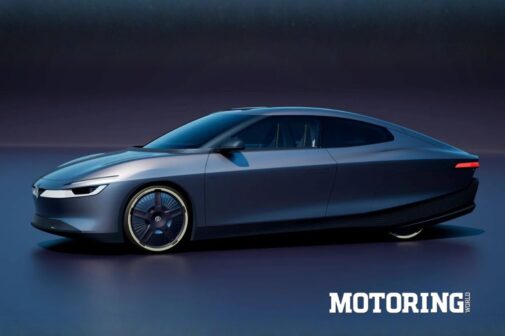
Unlike Volkswagen’s famous XL1, which used a tiny diesel engine and plug-in hybrid system, the Mission Efficiency is purely electric. It uses the same basic electric motor and battery technology as the new ID. Polo, but wraps them in a radically more aerodynamic body.
The numbers from its record drive are particularly impressive. The Mission Efficiency covered the 1278.36 km route with an average consumption of just 6.89 kWh/100 km, excluding charging losses. Including those losses, the figure was 7.51 kWh/100 km. The car travelled at an average speed of 67.72 kph, reached a maximum of 138 kph and needed just one battery charge along the way. Volkswagen says there was still 164 km of indicated range remaining when it reached Vienna.
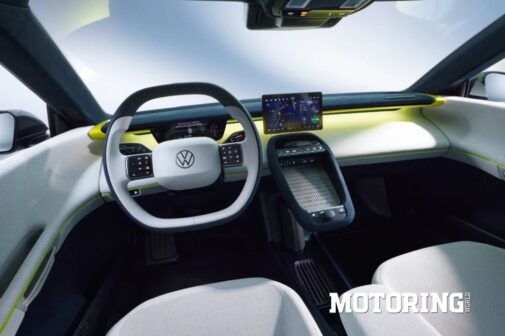
Its 54.9 kWh battery is relatively modest by modern EV standards, while the front-mounted electric motor produces 134 bhp and 264 Nm. The motor is paired with a single-speed gearbox and sends power to the front wheels. DC charging is supported at up to 105 kW. The car’s biggest trick, however, is its shape. With a drag coefficient of 0.158 and a frontal area of just 2.08 square metres, the Mission Efficiency slips through the air far more cleanly than a conventional hatchback or SUV. Its long, low roofline tapers towards the rear, while the rear wheels are completely enclosed. The underbody is also extensively covered to keep airflow smooth beneath the car.
There are active cooling flaps built into the front end as well. These open only when the car needs additional cooling, otherwise staying closed to reduce drag. Volkswagen has also fitted specially designed wheel deflectors to control turbulent air around the rims. The result is a car that prioritises airflow almost everywhere you look. It is configured as a 2+2 and gets a 481-litre boot, while the elongated roofline creates enough space for four occupants. Weight reduction also plays a role. Volkswagen has used carbonfibre-reinforced material for components including the bonnet, doors, front wings and boot lid. Inside, the focus is similarly minimalist. There is no conventional built-in infotainment screen; instead, the car uses a ‘bring your own device’ approach, allowing a smartphone or tablet to take over infotainment duties. Even the audio system has been replaced by a Bluetooth speaker. There is also a 370 W solar system integrated into the roof and rear glass. Volkswagen says it can help power the car’s electrical systems and, depending on conditions, contribute up to around 30 km of additional range per day.
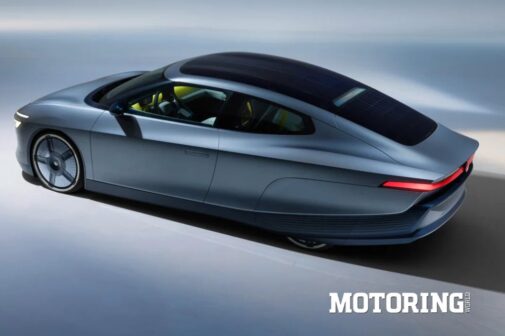
The Mission Efficiency is clearly inspired by the XL1, but its purpose is different. The XL1 was an ultra-limited production car that demonstrated what Volkswagen could achieve with extreme lightweight construction and a tiny hybrid powertrain. The new concept instead uses technology closely related to Volkswagen’s mass-production EVs to demonstrate how much more efficient they could become. For now, the Mission Efficiency remains a concept and Volkswagen says it is not for sale. However, the car is intended to demonstrate what is possible with its MEB+ electric platform, and it shows that improving an EV’s range does not necessarily mean fitting a much larger battery. Sometimes, the smarter answer is simply to make the car work harder against the air and waste less energy in the first place.