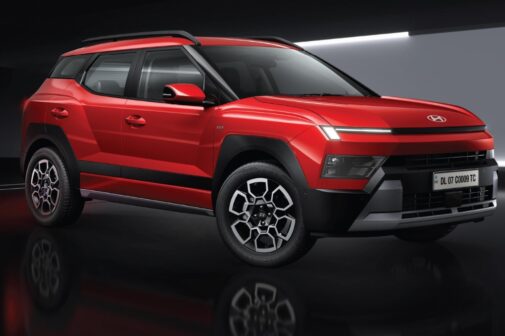
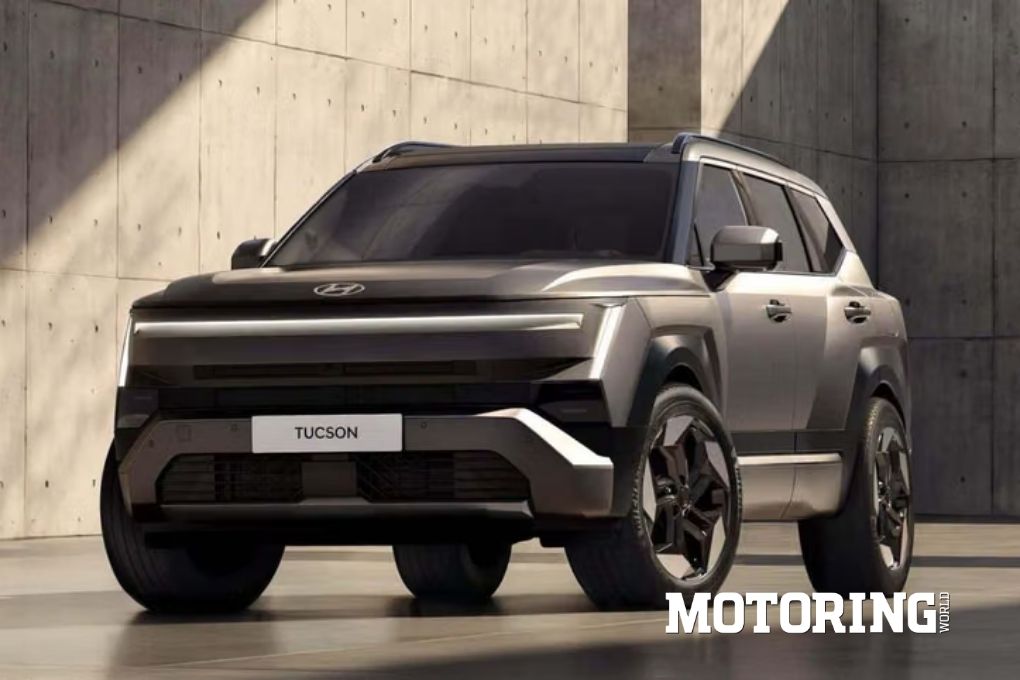


Hyundai has given the Tucson one of its biggest makeovers yet, and the result is a much boxier and more muscular SUV. Say hello to the fifth-generation Tucson, which gets sharper styling, and distinctive lighting at both ends, while the cabin has also received a major rethink.
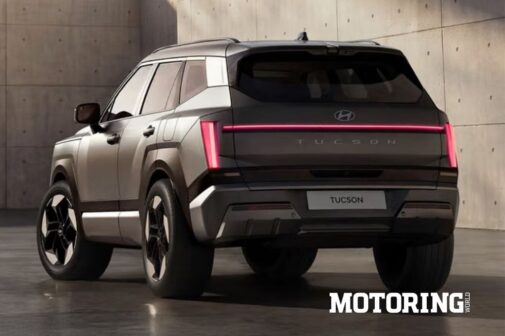
The biggest change is clearly the design. The outgoing Tucson had plenty of sharp lines and angular detailing, but the new one dials it up to 11. It gets a squared-off body, chunky wheel-arch extensions and a more substantial-looking front end. A full-width light bar runs across the nose, while the main headlights sit lower down and have a sharp, geometric design. The rear follows the same theme, with another full-width lighting element and angular tail-lights. The overall effect is considerably more rugged than before, while still retaining the futuristic design language Hyundai has been using across its newer SUVs. The Tucson has also gotten bigger, which should free up more room inside. Hyundai has paid particular attention to rear-seat access, with the rear doors now opening to 83 degrees, making it easier to get in and out of the second row.
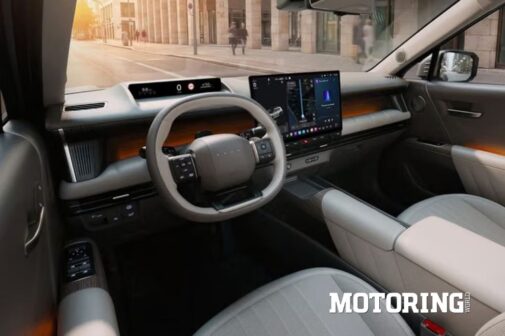
Inside, the new Tucson gets a completely redesigned cabin. The dashboard has a cleaner, more horizontal layout, while a large central touchscreen takes pride of place. There’s also a slim digital instrument display ahead of the driver, a new two-spoke steering wheel, and ambient lighting that’s projected from behind the dash. Hyundai has kept physical controls for some functions rather than putting everything behind a screen, which should be welcome news for anyone who prefers proper buttons while driving. It certainly looks a lot premium than before.
The new Tucson will continue to be offered with petrol and hybrid powertrains, although Hyundai is yet to reveal the full range of engines and specifications for every market. What we do know is that the hybrid gets the familiar 1.6-litre turbocharged four-cylinder engine, but with more power than before. The combined output is now 242 bhp, an increase of 11 bhp over the outgoing Tucson Hybrid. Hyundai will also continue offering an XRT version, which gets a more rugged appearance and additional styling changes to distinguish it from the regular Tucson.
For now, there are still plenty of unanswered questions. Hyundai hasn’t announced full dimensions, fuel-economy figures or all the technical details for the new Tucson, particularly for the non-hybrid versions. More information on the car is expected in the coming months.
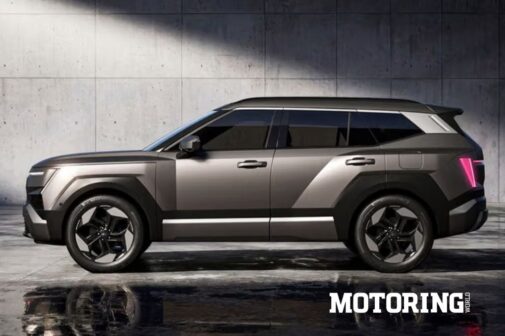
The new Tucson is therefore still something of a preview rather than a complete technical reveal. But one thing is already clear: Hyundai has decided not to play it safe. The new SUV is bigger, squarer and far more imposing than its predecessor. Whether this bold new look works for you will ultimately come down to personal taste, but there’s no mistaking the new Tucson for anything else. An India launch is highly likely, but don’t expect it to reach our shores anytime sooner than late 2027.