

Q1. What’s fuelling India’s fast-growing biking culture right now?
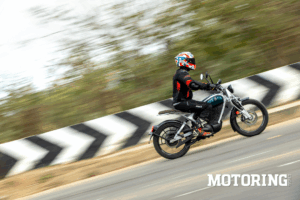
A few forces are converging at once. Rising disposable incomes and easier access to finance have put mid-capacity and premium motorcycles within reach of a much younger buyer than we saw a decade ago. At the same time, riding has shifted from being purely a commute or a college obsession to a lifestyle statement — weekend rides, long-distance touring, and motorsport fandom are now aspirational in a way they weren’t before. Almost every city has multiple riding clubs who happen to find a reason to meet over the weekend.
Infrastructure has helped too — better highways and mountain roads have opened up touring circuits that simply weren’t practical earlier. And social media has turned individual riders into micro-communities; a single Instagram reel of a Spiti or Leh-Ladakh run can pull hundreds of new riders into the culture. We’re also seeing a genuine rise in women riders and first-time premium buyers, which is broadening the base rather than just deepening it among existing enthusiasts.
To put a number on it, we will end up engaging with 30,000-plus riders this year through the biking communities we work with — showcasing new launches and recommending the right products for their motorcycles. Motul was among the pioneers of community-first engagement within the lubricants industry in India, and that early, sustained presence is a big part of why we enjoy the brand recall and credibility we do among biking enthusiasts today.
Q2. How big is the premium biking market in India, and where’s it headed by 2030?
India was generally a commuter bike market. But we have seen a double-digit growth through the decade, with the segment roughly doubling in value by 2030 as more OEMs — Indian and global — expand their India-specific line-ups above 150cc.
To size it more precisely at the top end: the 200cc-plus motorcycle segment today accounts for roughly 10–12% of India’s total motorcycle parc, and it’s growing rapidly — fuelled by rising incomes, a younger and more aspirational rider base, and the expanding presence of premium global OEMs such as Harley-Davidson, Triumph, and KTM.
What’s more telling than the topline number is the shift in mix: over three-quarters of new model launches from OEMs today are happening in the premium space, which tells you where manufacturer conviction lies. For a brand like Motul, that’s significant because premium riders are also the most engaged lubricant buyers — they research, they ask questions, and they care about what’s protecting their engine on a 500km day.
Q3. Which bike segments drive the most demand for Motul in India today?
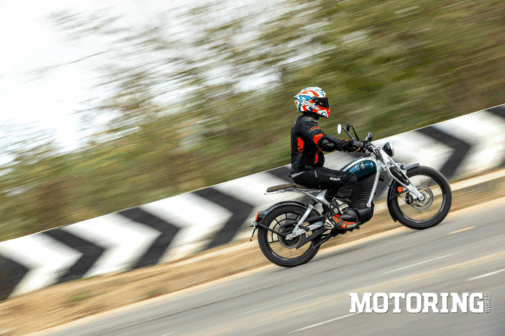
Super Premium & Cruiser segments are our core and they have grown significantly. Premium commuters & scooters— are where we see the strongest pull for our synthetic and semi-synthetic ranges, simply because those riders push their machines harder and understand the difference a performance-based fully synthetic oil makes over others.
Across all the segments, we are seeing riders are increasingly opting up from mineral to semi-synthetic as they get more value with respect to enhanced engine protection and smoother performance.
Q4. What’s one key initiative Motul India has taken to improve riding culture?
Bringing together & building a community of motorsports & performance enthusiasts who share Motul’s passion for performance & motorsports. When they come together, they talk about experiences, and it opens up for two-way engagement for us.
Q5. How does Motul engage with Indian riding communities and bike groups?
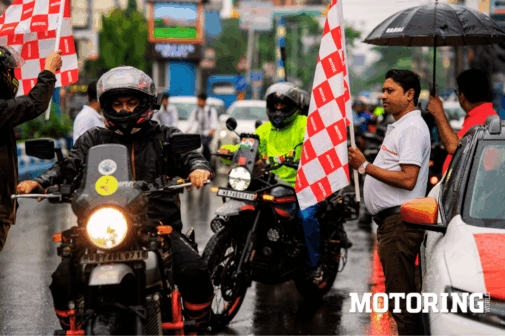
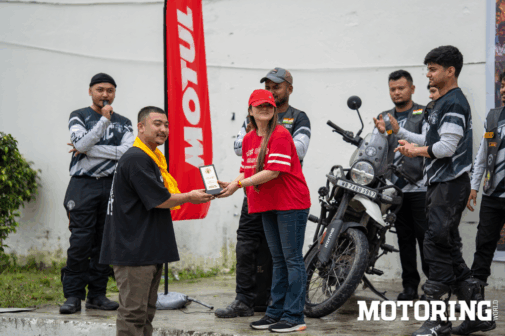
Largely through long-standing, structured partnerships rather than one-off sponsorships. We become a part of the riding culture. Community engagement sits at the heart of everything we do — we have annual tie-ups with groups like BOBMC, Bikers Club, and the Continental GT Cup, along with several other regional riding groups, and we show up consistently at their rides, workshops, and track days year after year. That consistency is what builds trust — riders know Motul isn’t just parachuting in for a launch.
Through these community touchpoints, we will connect with over 30,000 riders annually — showcasing new launches, running product clinics, and recommending the right oil for each rider’s specific motorcycle and riding style. We were among the pioneers of this kind of grassroots community engagement within the lubricants industry, and it’s given us a level of brand recall and credibility with enthusiasts that’s hard to build through advertising alone.
We also lean on creators and community members for two-way engagement — not just brand messaging going out, but genuine product feedback coming back in, which shapes how we talk about our range and, in some cases, the products themselves.
Q6. Are you planning any India-specific products for our bikers?
90% of our products are India specific & produced in India. Motul’s DNA is performance and since it is tested at highest possible standards, the quality is always top. We customize products developed specifically with Indian riding and climate conditions in mind. We will soon be introducing GP Series into the Indian market, sitting alongside our established fully synthetic range. The idea is to give riders a clear, well-defined choice at every performance tier rather than a one-size-fits-all bottle.
India’s riding conditions — heat, dust, stop-start city traffic, and now the ethanol-blended fuel transition — are distinct enough that off-the-shelf global formulations may need adaptation, so India-specific R&D and product calibration will remain a priority for us.
Q7. How is Motul addressing the gap between biking enthusiasm and safety awareness?
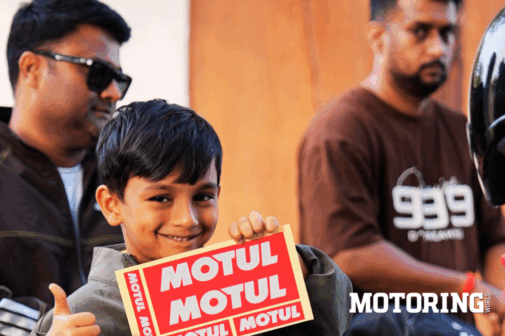
The growing enthusiasm for motorcycling is encouraging, but safety must evolve alongside it. Our content with creators, for instance, increasingly leads with practical maintenance and preparedness themes — things like helmet care, pre-ride checks, and understanding what your engine oil is actually doing for you — rather than purely aspirational riding visuals.
In all the community events we’re part of, there are pre-checks on safety like proper riding gear, a safety norms briefing before the ride begins, marshals deployed for lane and speed discipline, and availability of first-aid.
Q8. Beyond lubricants, how does Motul plan to shape India’s biking future?
We see our role extending into rider education, community-building, and motorsport culture. Our engagement with the MotoGP fan base in India, our on-ground presence at expeditions and rallies, and our creator partnerships are all designed to deepen the culture around riding, not just sell what goes into the engine.
Longer term, we want to be a brand riders associate with the full journey — from the first bike they buy, to the first long tour they attempt, to the community they eventually become part of.
Q9. How do Motul and their products distinguish themselves within the competitive 2-wheeler market?
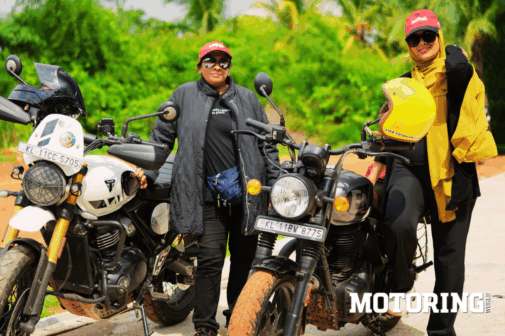
Two things, primarily: technical credibility and proximity to the rider. Motul’s motorsport heritage — decades in racing — genuinely informs our formulations, and enthusiast riders in India recognise and value that lineage. The top-of-the-line range- the Ester Technology Trio- 300V, 7100 & 5100 are the ones linked to performance, and it commands consumer attention and love. In the 3100 Gold & 3000 range, there’s high loyalty for our cruiser packs.
We also carry the widest motorcycle product portfolio in India, serving every rider segment — from commuters and scooter users to cruisers and superbike owners. Combined with our Care & Additives range (Chain Clean, Chain Lube, Engine Flush, Petrol System Clean, and more), Motul is a true one-stop solution for bikers, which is hard to replicate at that breadth.
Our long-standing associations with leading biking communities like BOBMC, Bikers Club, and WCRM, along with our support for motorsports teams such as Sparks Racing and Gusto Racing, reinforce those performance credentials — being track-tested and road-proven builds strong confidence among riders in a way that goes beyond just advertising.