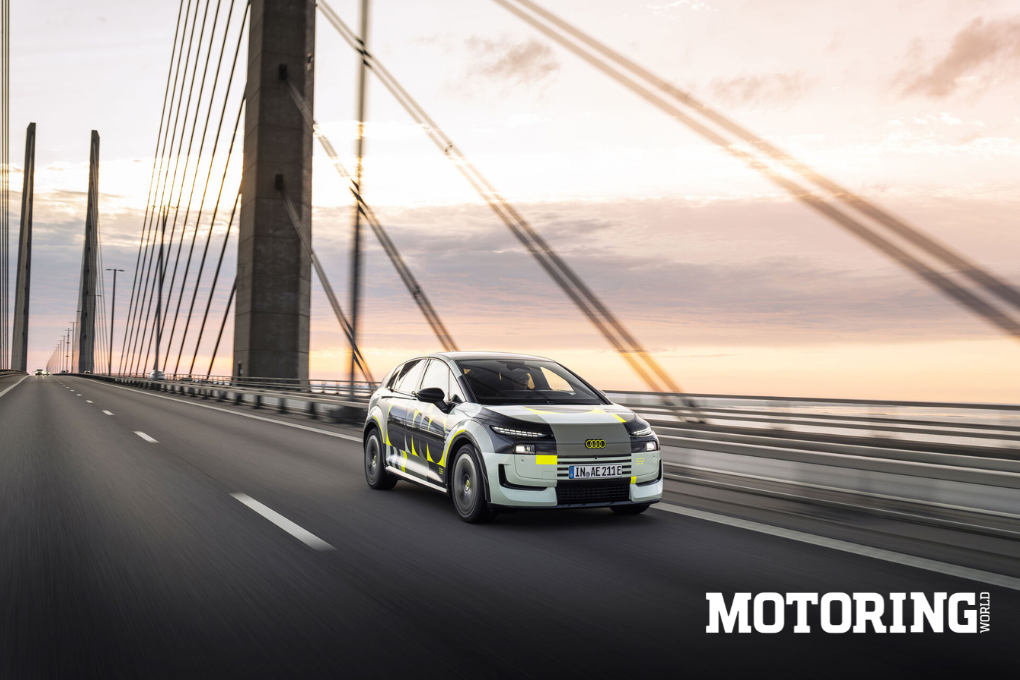


Audi has revealed fresh technical details of the upcoming A2 e-tron, confirming that the compact electric hatchback will become the most energy-efficient production model the brand has ever built. Scheduled to make its global debut later this year, the A2 e-tron promises to combine everyday usability with remarkable efficiency, setting a new benchmark for Audi’s electric future.
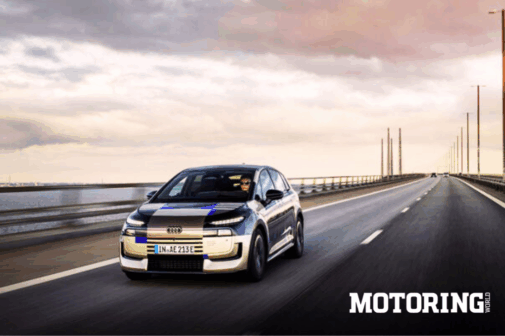
According to preliminary WLTP figures, the 140 kW version equipped with the optional Efficiency Package records an energy consumption of just 12.8 kWh/100 km, making it the most frugal Audi to date. The company credits this achievement to a combination of advanced aerodynamics, an extensively revised electric drivetrain and a lithium iron phosphate battery designed specifically for daily use rather than outright capacity.

For Audi, the A2 name carries considerable significance. The original A2, introduced at the turn of the century, became known for its lightweight aluminium construction and fuel-efficient engineering, with the now-famous three-litre variant earning a reputation as one of the most economical production cars of its era. The new A2 e-tron aims to carry that philosophy into the electric age, focusing less on headline-grabbing battery sizes and more on extracting every possible kilometre from each unit of stored energy.
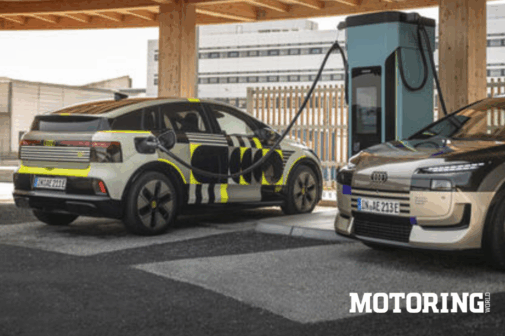
A large part of that efficiency comes from aerodynamic optimisation. The A2 e-tron achieves a drag coefficient of 0.24, the lowest of any compact Audi currently on sale. Designers have reshaped the body with a rounded front end, flowing roofline and sharply tapered rear section to minimise air resistance, while a series of smaller details including air curtains, gap reducers around the wheel arches and an active cooling intake further reduce drag. Collectively, these measures lower energy consumption by up to 0.9 kWh/100 km compared with an identical model without the Efficiency Package.
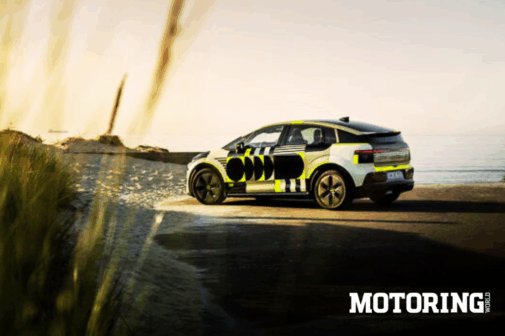
The electric powertrain has also undergone substantial refinement. Audi says the drive system is up to ten per cent more efficient than before, thanks to the introduction of silicon carbide power electronics, a redesigned permanently excited synchronous motor and a lower-friction transmission. Individually, the improvements may appear incremental, but together they contribute to a noticeable reduction in energy losses during everyday driving, particularly under partial loads where electric vehicles spend much of their time.
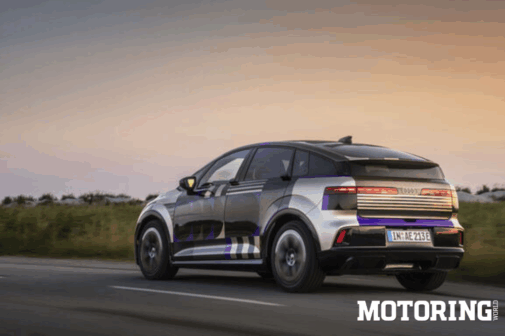
Power is supplied by a 61 kWh lithium iron phosphate battery built using a cell-to-pack architecture, allowing the cells to be integrated directly into the battery housing for improved packaging efficiency. Audi says the chemistry offers several advantages beyond cost, including greater durability, slower degradation and the ability to be routinely charged to 100 per cent without significantly affecting long-term health. An intelligent thermal management system further improves charging efficiency, with the battery achieving a wall box charging efficiency of 89.6% through an adapted cooling strategy.
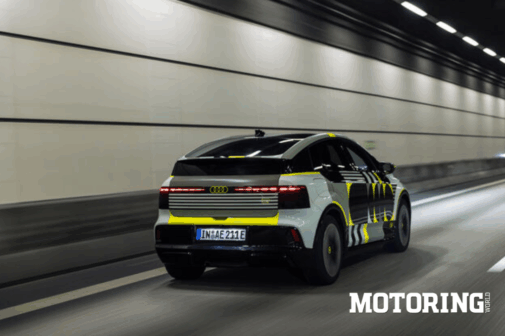
The A2 e-tron also introduces bidirectional charging capability. Vehicle-to-Load functionality allows owners to power external electrical equipment directly from the battery, while Vehicle-to-Home technology enables the car to function as an energy storage system for domestic use where supported. Audi believes these features will become increasingly important as electric vehicles evolve from simple modes of transport into integrated components of the wider energy ecosystem.
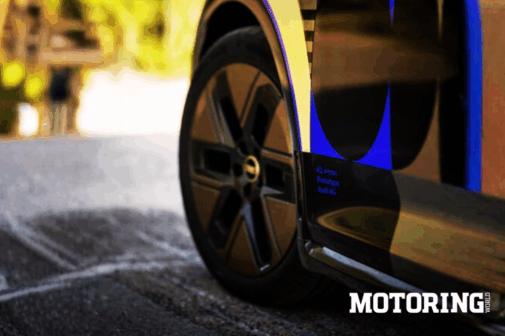
Rather than chasing ever-larger battery packs, Audi’s approach with the A2 e-tron demonstrates a shift in priorities. Improving efficiency means reducing charging times, lowering running costs and extracting greater range from a smaller, lighter battery. That philosophy also brings environmental benefits by requiring fewer raw materials during production while maintaining the level of usability expected from a modern electric vehicle.
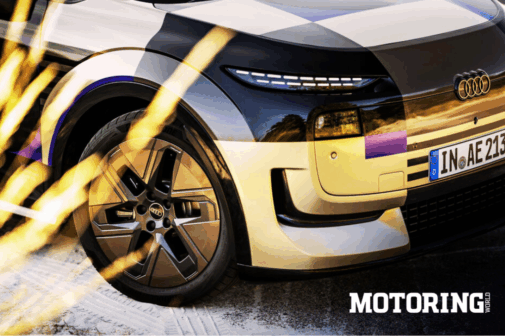
Audi has confirmed that the A2 e-tron will make its official debut in autumn 2026 as the brand’s new entry-level electric model. If the preliminary figures translate into real-world performance, the compact hatchback could become one of the most efficient electric cars on sale, proving that intelligent engineering can still be just as important as outright battery size in shaping the future of electric mobility.