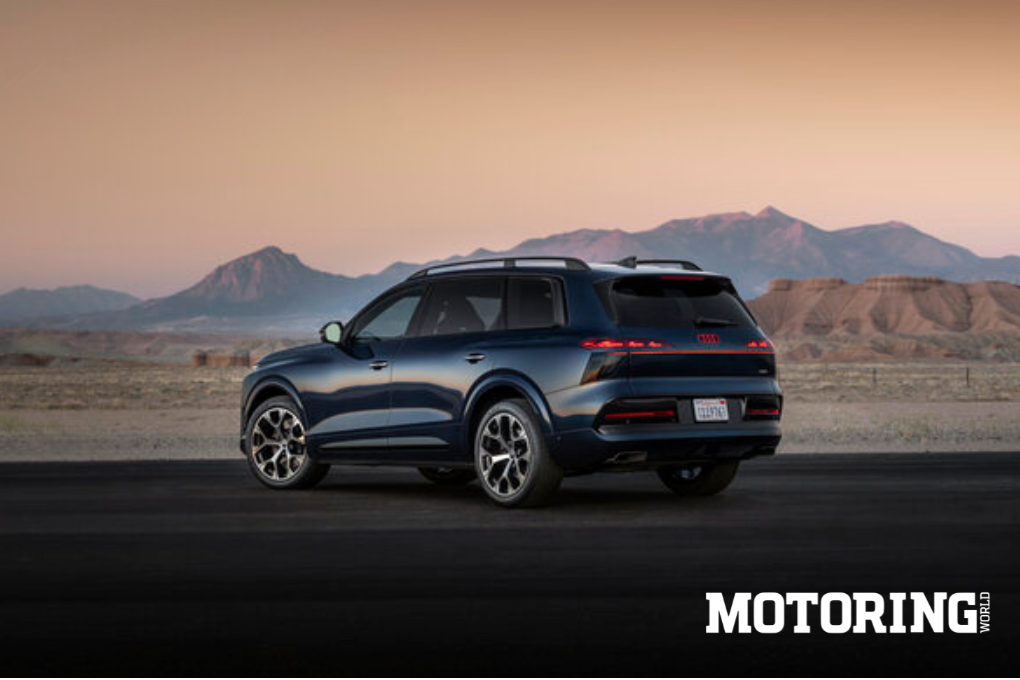


Audi has finally entered the full-size luxury SUV segment with the unveiling of the all-new Q9, a model that now sits at the very top of the brand’s line-up. Bigger than the Q7 and Q8, the new flagship is aimed squarely at buyers looking for limousine levels of comfort without giving up the commanding driving position of an SUV. With seating for up to seven, a lavishly appointed cabin and a host of new technologies, Audi says the Q9 represents the next step in its ‘Vorsprung durch Technik’ philosophy, where luxury is defined as much by the in-car experience as it is by the drive itself.
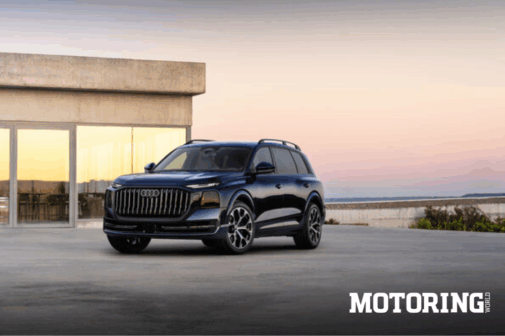
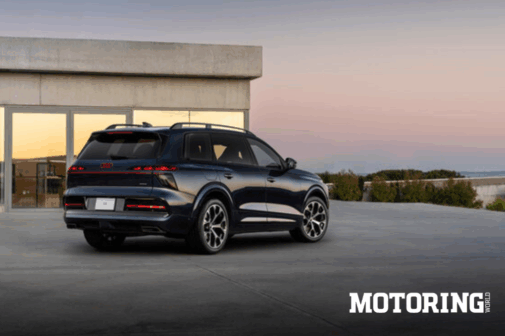
Measuring 5.31 metres in length, 2.21 metres in width and standing 1.81 metres tall, the Q9 is officially the largest production Audi ever built. Its 3.14-metre wheelbase allows for a significantly roomier cabin, while the upright stance, pronounced rear overhang and available 23-inch alloy wheels give the SUV an unmistakable road presence. Buyers can choose between the standard Advanced trim, which features a more understated design, or the sportier S line variant with sharper styling cues.
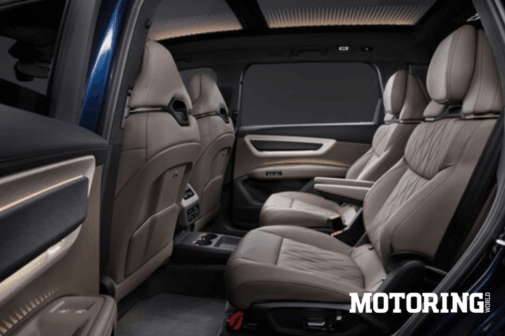
The biggest story, however, lies inside. The Q9 is offered as a seven-seater as standard, though Audi will also sell a six-seat configuration that transforms the second row into a business-class lounge. Two electrically adjustable captain’s chairs headline the options list, while every seat in the second row includes ISOFIX child seat mounts. Occupants up front are treated to ventilated sports seats with massage functions, reinforcing Audi’s ambition to make the Q9 feel more like a luxury saloon than a conventional SUV.
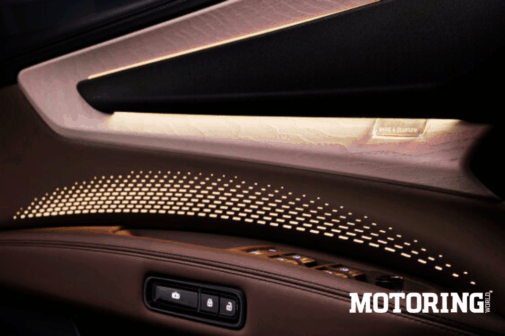
Adding to the sense of occasion are automatic doors, making their debut on an Audi production model. Using a network of sensors, the doors can detect nearby obstacles before opening and feature a soft-close function. They can also be operated remotely through the myAudi smartphone app, making entry and exit easier in tight parking spaces.
Audi has also fitted the largest panoramic sunroof ever seen on one of its cars. Covering more than 1.5 square metres, the standard glass roof can slide or tilt open, while an optional version introduces switchable transparency. Audi will also offer illuminated roof glass whose colour changes to match the vehicle’s ambient lighting, adding another layer of theatre to the cabin.
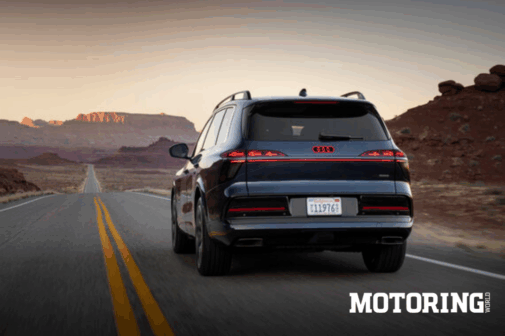
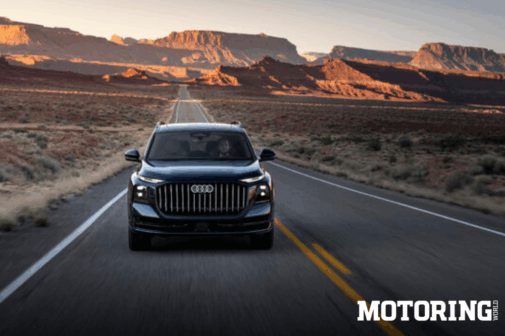
Technology continues to be one of the Q9’s biggest talking points. The SUV introduces third-generation curved digital OLED tail-lamps, marking a world first. Unlike conventional flat OLED units, the new curved glass design improves visibility from wider angles while allowing designers greater freedom in shaping the rear lighting signature. Another clever feature projects the vehicle’s turn indicators onto the road surface at night, making the signals easier for pedestrians and other motorists to spot. Up front, Digital Matrix LED headlamps promise improved illumination and greater precision.
Powering the Q9 is a 3.0-litre V6 diesel paired with Audi’s latest MHEV Plus mild-hybrid technology. The engine develops 299 bhp and 630 Nm of torque, while the electrical system can contribute an additional 24 bhp during acceleration. Power is sent to all four wheels through an eight-speed Tiptronic automatic transmission and Audi’s permanent quattro all-wheel-drive system. A lower-output version producing 245 bhp and 500 Nm will also be offered in selected European markets.
Audi says the electrified system improves both throttle response and efficiency, thanks in part to an electrically powered compressor that reduces turbo lag. Combined with adaptive suspension and quattro traction, the Q9 is expected to offer the kind of effortless long-distance cruising buyers in this segment have come to expect.
The Audi Q9 will go on sale in Germany later this month, with deliveries beginning in the fourth quarter of 2026. Prices start at € 108,400, which works out to approximately ₹ 1.09 crore before taxes and import duties. While Audi India has yet to announce local plans, the Q9 would provide the brand with a direct rival to the Mercedes-Benz GLS, BMW X7 and Range Rover should it eventually make its way here.