

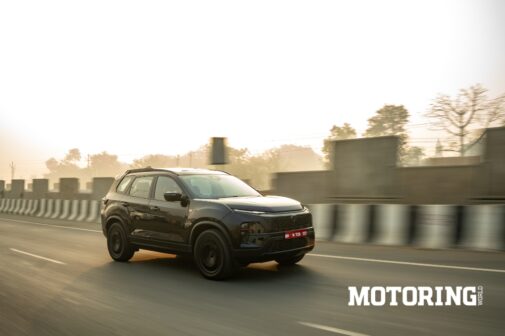
Sometimes, it takes nearly two decades for a nameplate to truly find its moment. In the case of the Tata Safari, that moment feels like it has finally arrived again—this time with petrol power under the hood. Yes, the Safari did briefly experiment with a petrol engine back in the early 2000s, largely driven by regulations rather than intent. But this time around, things feel very different. The return of petrol power isn’t a stop-gap solution; it’s a carefully considered move aimed at future-proofing Tata’s flagship SUVs.
With tightening emission norms, shifting buyer preferences, and the looming uncertainty around diesel restrictions in major cities, Tata Motors’ decision to introduce a petrol option for both the Harrier and Safari feels timely, strategic, and frankly overdue. More importantly, it’s not just any petrol engine. This new 1.5-litre turbo-petrol unit is a modern, high-output powertrain that promises performance, refinement, and everyday usability, three things Tata has been steadily improving over the years.
We had our first taste of this engine earlier in the Tata Sierra, a car that has already captured the imagination of Indian buyers and become something of a national conversation starter. Seeing Tata now roll out the same petrol heart across its broader portfolio signals confidence in its engineering—and a desire to offer meaningful choice.

Our drive began on a foggy, smog-laden Delhi morning, the kind where visibility is low, and expectations are cautious. Tata had lined up both the Harrier and Safari petrol for us, keen to demonstrate how this new engine transforms their large SUV duo. These are big, imposing vehicles with a whole lot of road presence its what Tata confidently calls ‘full-size SUVs’ and conquering this segment requires more than just presence. It requires the right drivetrain.
Under the hood sits a 1.5-litre turbo-petrol engine producing around 168 bhp, matching the output of the familiar diesel in headline figures. But numbers only tell part of the story. Tata engineers walked us through a detailed technical briefing, highlighting the work that’s gone into this engine, thermal efficiency, NVH reduction, weight optimisation, and drivability being key focus areas. It was clear this wasn’t a rushed addition.
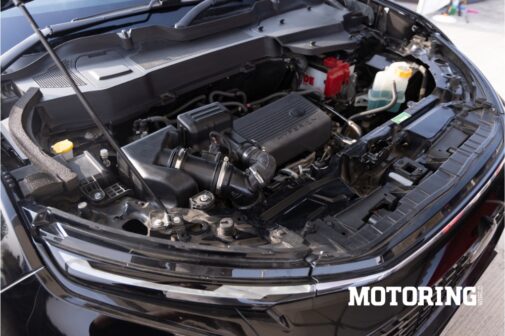
Press the start button and the difference is immediately noticeable. Gone is the familiar diesel clatter that defines the Harrier and Safari in their oil-burning avatars. Instead, the petrol engine fires up smoothly and quietly, settling into a refined idle. The cabin feels calmer, more relaxed, and noticeably more premium as a result.
Tata has clearly invested heavily in noise insulation and vibration control. Even at a standstill, the refinement is apparent, and as you start moving, that sense of polish only grows. It’s a reminder of how much powertrain refinement influences perceived quality, something Tata has made great strides in here.
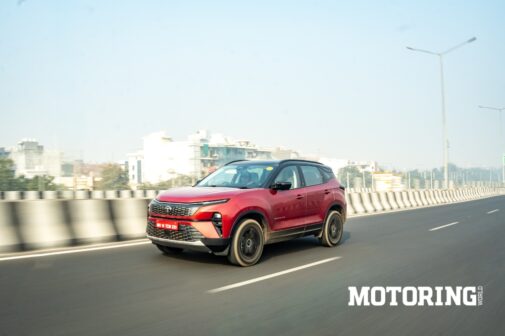
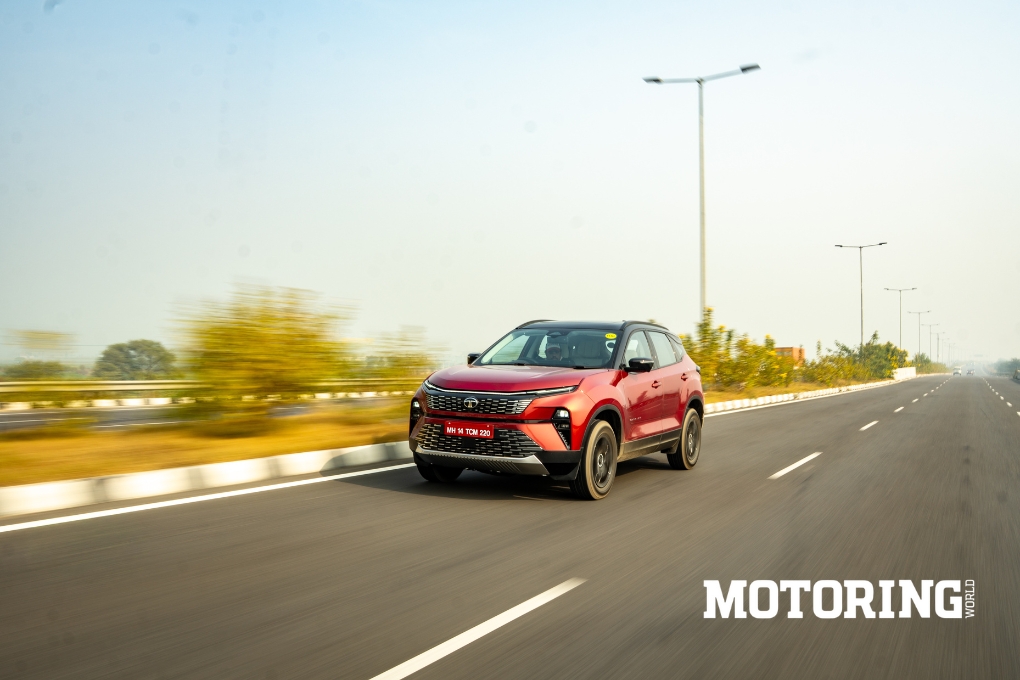
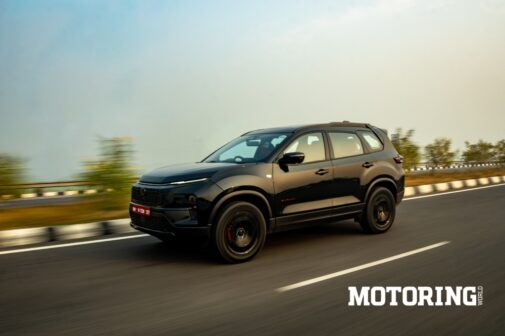
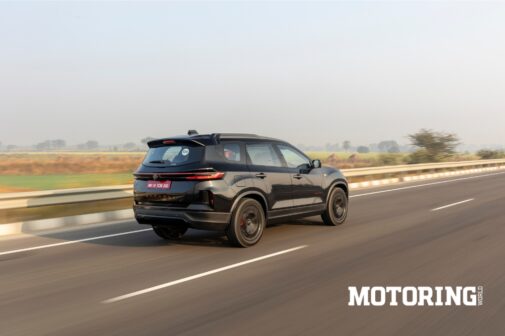
Once the fog cleared and we hit the Delhi–Mumbai Expressway, it was time to explore performance. Switching to Sport mode, we ran a few acceleration tests and highway sprints, and the petrol engine delivered exactly what Tata promised.
Throttle response is sharp without being jerky, and the powerband is refreshingly accessible. Unlike some other turbo-petrols that demand revs to come alive, this engine feels eager across most of the rev range. Overtakes are dispatched effortlessly, and building speed feels smooth and progressive. Triple-digit cruising comes easily, and the engine never feels strained.
At higher speeds, some engine noise does make its way into the cabin, but it’s a controlled, acceptable note, far less intrusive than diesel vibrations. Crucially, the petrol setup makes both SUVs feel lighter on their feet. With less weight up front compared to the diesel, steering response improves, and the overall driving experience feels more balanced.
While the petrol engine works well in both SUVs, it arguably suits the Safari even more. The Safari’s larger footprint and additional third row make it feel like a more complete package with this smoother, quieter powertrain. High-speed cruising feels effortless, and the Safari’s stability pairs brilliantly with the petrol’s relaxed nature.
There’s also a strong value argument here. When you factor in pricing, potential tax benefits, and the petrol engine’s refinement, the Safari petrol suddenly feels like a far more compelling proposition than before. For buyers looking at a comfortable, premium-feeling family SUV, this combination makes a lot of sense.
Efficiency wasn’t something we could test thoroughly during our short drive, but the indicated fuel efficiency hovered around 18.5 kpl, which is impressive for a vehicle of this size. Real-world figures will tell the full story, but early signs are encouraging.
One of the biggest gains with the petrol Harrier and Safari comes in ride and handling. The reduced front-end weight makes both SUVs feel noticeably more approachable, especially in city conditions. Steering feels lighter, turn-in is cleaner, and the cars feel less nose-heavy than their diesel counterparts.
Ride quality remains a strong point. The suspension continues to strike a good balance between comfort and control, soaking up broken roads with ease while maintaining composure at highway speeds. Body roll is well-managed for vehicles of this size, and quick lane changes feel confident rather than clumsy.
In traffic, the petrol powertrain transforms the experience. The SUVs feel easier to manoeuvre, smoother in stop-go conditions, and less fatiguing to drive daily. For urban buyers, this alone could be reason enough to choose petrol over diesel.
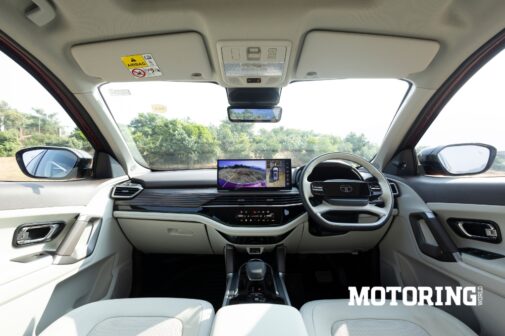
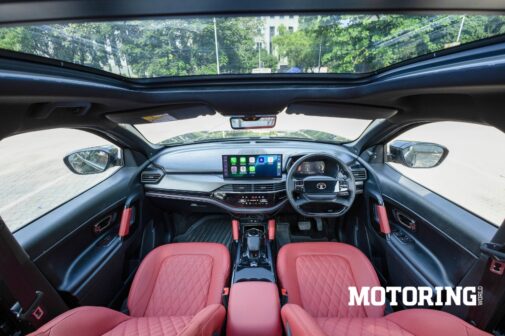
Inside, Tata hasn’t reinvented the wheel, and that’s not a bad thing. The cabins remain largely unchanged from the diesel versions, which means you still get a well-finished, spacious interior with a premium feel. Build quality has improved significantly over earlier Tata products, and both SUVs feel solid and well put together.
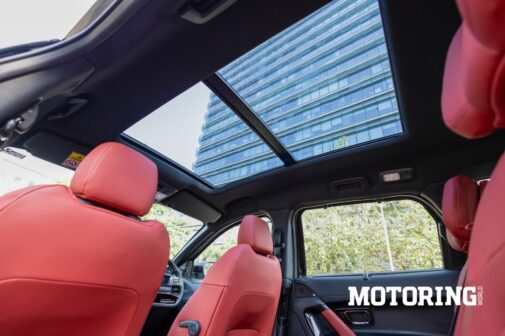
New additions include the Samsung touchscreen infotainment display, carried over from the Harrier EV, and a digital rear-view mirror, which takes some getting used to but proves useful in poor visibility. Seating comfort remains excellent, especially in the front and second row.
The Safari continues to stand out among seven-seaters for third-row headroom. While legroom is still a bit tight, it’s one of the more usable third rows in the segment. The Harrier, meanwhile, counters with a massive boot, making it ideal for long road trips.
Safety remains non-negotiable for Tata Motors. Both SUVs continue to offer a comprehensive suite of safety features, including multiple airbags, ADAS functions, and robust structural integrity. Tata’s strong safety reputation remains intact, and it’s reassuring to see consistency here.
In simple terms, the Harrier and Safari finally have the engine they always deserved. This new 1.5-litre turbo-petrol transforms their character, making them smoother, quieter, easier to drive, and more approachable for a wider audience.
Just as importantly, it future-proofs these SUVs. For buyers worried about the long-term viability of diesel, this petrol option offers peace of mind without compromising on performance or practicality. It’s cleaner, more refined, and still powerful enough to handle Indian highways with ease.

Tata Motors has come a long way, and this powertrain proves just how mature the brand has become. The petrol Harrier and Safari aren’t just alternatives anymore, they’re compelling choices in their own right.