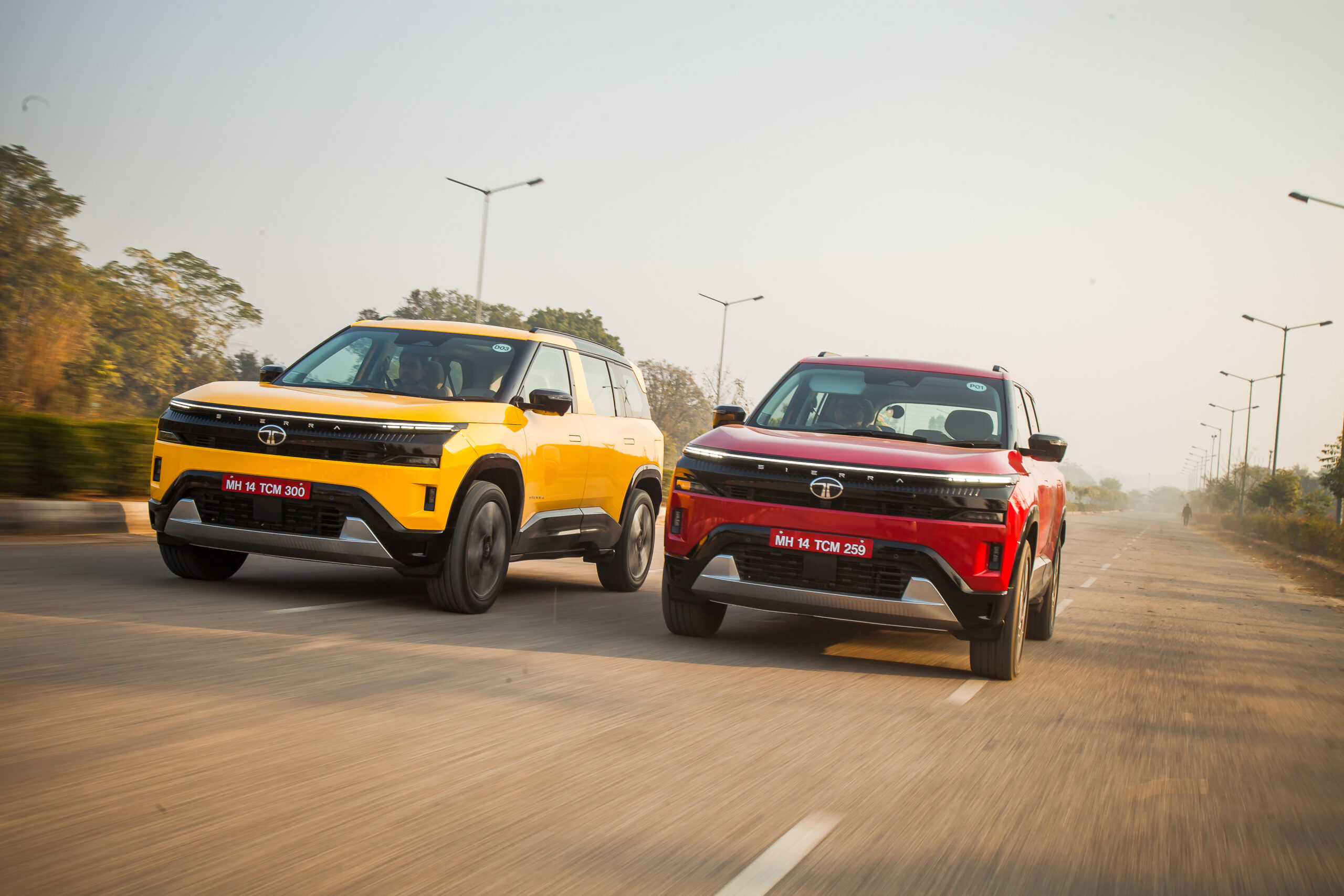


After much anticipation and a slow-burn marketing campaign, the Tata Sierra has finally returned. No longer just the concept car glimpsed at the Bharat Mobility Expo, it is now a driveable reality on Indian roads. Launched at a compelling starting price of ₹11.49 lakh (ex-showroom), the 2025 Sierra is aiming to disrupt the fiercely competitive mid-size SUV segment, dominated by the Hyundai Creta and Kia Seltos. After a comprehensive drive in Chandigarh, what’s clear is that it’s Tata Motors’ most confident and complete product to date.

Tata Motors has stoked the flames of nostalgia for the beloved ‘90s three-door, while simultaneously teasing a thoroughly modern five-door SUV. Now, with the keys in hand, the new Sierra faces its real test: converting that buzz into market relevance. Its attractive price point is the first step, strategically positioned to lure buyers from its established rivals in India’s hottest automotive segment.
View this post on Instagram
If first impressions count, the Sierra scores highly – it’s the best-looking Tata on sale, and the most striking SUV in its segment. Under the guidance of Tata’s standout design team, the SUV presents a unique identity within the brand’s lineup. It carries a distinct, eye-catching silhouette that cleverly echoes the original’s spirit without resorting to copy-paste. The iconic, wide rear-quarter glass area of the old three-door model is hinted at through blacked-out pillars and thoughtful styling cues, creating a visual illusion that is clever.
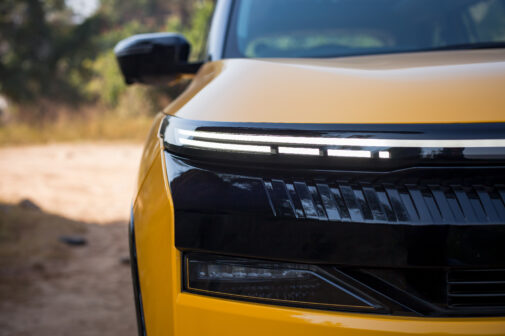
The design language is one of confident minimalism. Smooth, flowing surfaces are punctuated by precise creases, giving the car a settled and premium appearance that avoids the overt aggression of some rivals. Up front, a one-piece clamshell bonnet and slim headlights give it a clean, sophisticated face, while the rear is dominated by a full-width LED light bar and another clamshell-style tailgate. This neat packaging contributes to a tidy and futuristic rear end; in fact, the Sierra’s best angle is arguably its rear 3/4 view. Our only quibble lies with the modest chrome ‘Sierra’ lettering on the tailgate, which could have been larger.
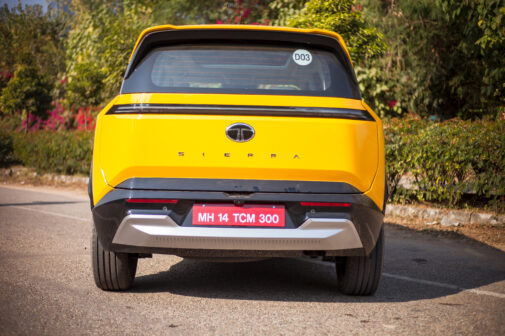
Standing on segment-best 19-inch alloy wheels, the Sierra has a commanding road presence. Its wide stance and balanced proportions are very appealing, making it the most aesthetically resolved and approachable design in its class. The colour palette further elevates its appeal. Options like ‘Munnar Mist’ (a chameleonic silver-green) and the vibrant ‘Andaman Adventure’ (yellow) are head-turners, with the former shifting elegantly between silver and green depending on the light.
View this post on Instagram
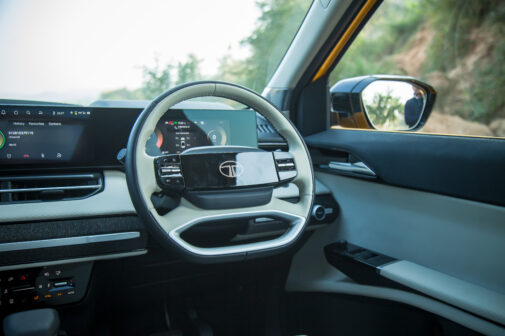
Opening the door via the flush-mounted handles reveals the Sierra’s next plus point. The sense of refinement in the cabin is immediate. Gone are the days of busy design; in their place is a minimalist, dual-tone dashboard dominated by a massive, curved 12.3-inch touchscreen and a 10.25-inch digital instrument cluster.
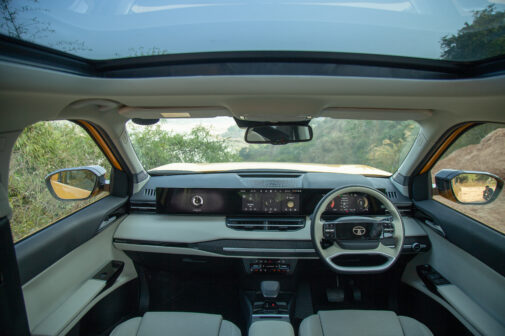
Fit, finish, and material quality have taken a leap forward, with soft-touch surfaces, sleek ambient lighting, and a nicely integrated soundbar adding to a premium ambience. It’s a little-known detail now, but the original Sierra concept was envisioned as a screen-free sanctuary; the production model, however, embraces the modern mandate, featuring dual displays even in its base variant. We hope that Tata eventually offers that purist, screen-less cabin as a future option!
Technology is the star here. The infotainment system is responsive and feature-packed (if a little busy), offering integrated streaming apps like JioCinema, Disney+ Hotstar, and Amazon Prime. A unique party trick is the ability for the front passenger to pair Bluetooth headphones to their side of the display for private entertainment; it’s debatable how useful this actually is.
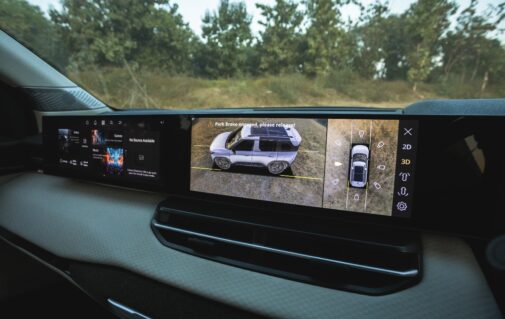
Beyond the screens, the Sierra is thoughtfully appointed. The 12-speaker JBL audio system delivers great sound, ventilation is provided for the front seats, and the dual-zone climate control works effectively. A note on safety: the Sierra insists on driver seatbelt engagement before disengaging the electronic parking brake, which highlights Tata’s safety-first ethos (it extends to providing three-point seatbelts for all three rear passengers). There are numerous cubbyholes and storage spaces, and you get the usual complement of wireless charging, a 65W charging point, wireless Android Auto/Apple CarPlay, reversing cameras and the like.
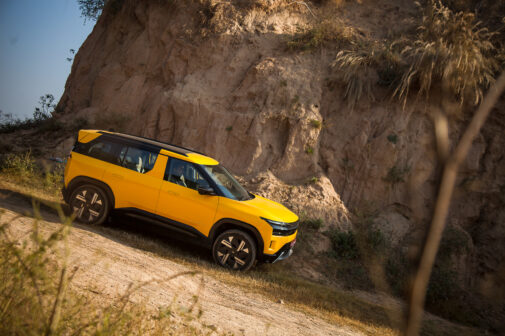
The rear seat is exceptionally generous, offering abundant legroom and headroom, the latter amplified by the segment’s largest panoramic sunroof. All windows are large, with the rears featuring useful pull-up privacy blinds. The pièce de résistance is a cavernous 622-litre boot, a practical advantage over key rivals, complete with a clever parcel shelf that stows neatly behind the seats.
View this post on Instagram
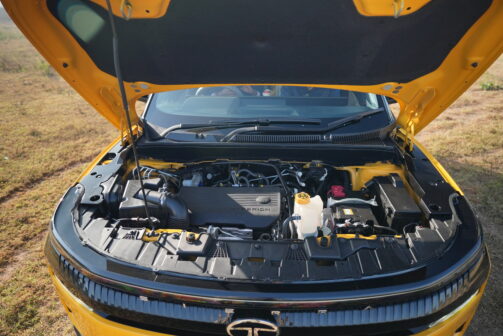
Tata offers the Sierra with a versatile trio of engines. The lineup includes a 1.5-litre naturally aspirated petrol making 105 bhp, a 1.5-litre turbo-petrol which produces 158 bhp, and the much-anticipated 1.5-litre diesel with a power output of 116 bhp. Transmissions range from 6-speed manuals to 6-speed automatics and 7-speed DCTs, with a future all-wheel-drive variant confirmed.
View this post on Instagram
The diesel-auto we drove first felt surprisingly refined, almost shockingly so if you’ve spent time with other Tata diesel cars. This new 1.5-litre unit is smoother, quieter, and far better balanced. Torque delivery is clean and linear, giving you that gentle shove exactly when you need it. Highway overtakes happen with barely any effort, and in the city, the engine feels calm, composed, and notably efficient. It’s the kind of powertrain that feels mature, polished, and easy to live with every day. The icing is just how little noise and vibration make their way into the cabin; Tata has clearly worked hard on NVH, and it shows.
The true star is turbo-petrol. This one has a genuine personality, the sort you don’t expect in a family SUV. There’s a smooth, eager pull from the moment you tap the throttle, a strong and satisfying mid-range, and enough high-end punch to make long highway runs genuinely fun. It feels light on its feet, alert, and ready to play. If there’s an enthusiast’s pick in the new Sierra lineup, this is unquestionably it. What ties both engines together, though, is how well the chassis supports them.
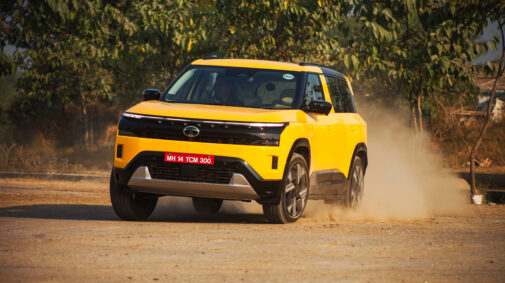
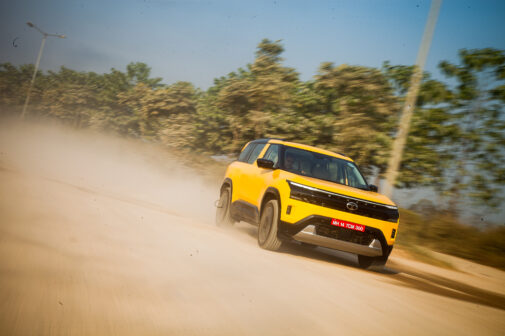
The ride quality is well judged: soft enough to cushion broken patches and rough roads, yet firm enough to avoid the floaty, wallowing feel many SUVs fall into. Those dual dampers do a stellar job over speed breakers, dips, and imperfections, keeping the cabin settled and calm. Push the Sierra harder around corners, and it responds with a planted, predictable stance that inspires confidence. Yes, there’s body roll (it’s an SUV, after all) but it’s tightly controlled, and even under sharp braking, the car stays composed and straight. It genuinely feels like Tata has finally nailed the sweet spot between comfort and handling.
View this post on Instagram
Despite its size and strong road presence, the Sierra is surprisingly easy to drive in the city. The steering is light at low speeds, visibility is excellent, and the tight turning radius makes U-turns and parking far less stressful than you’d expect from an SUV this big. It feels manageable, friendly, and never cumbersome in traffic. We didn’t get enough time behind the wheel to conduct a proper, real-world efficiency test, but during our short drive, the diesel-auto did show an indicated 18 kpl, a promising number that hints at solid everyday efficiency once we spend more time with it.
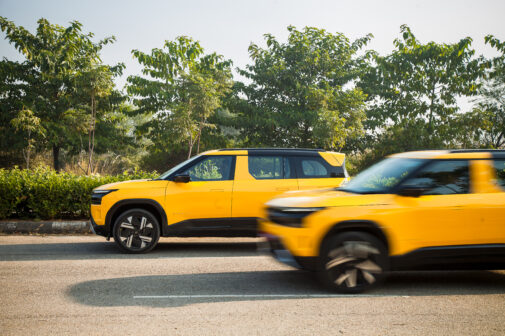
Safety, as expected from Tata, is non-negotiable. Level-2 ADAS, six airbags, and — something that deserves more credit — three-point seatbelts for all three rear passengers. According to the internal crash-test data shown at the launch, the Sierra was engineered with genuine structural integrity in mind.
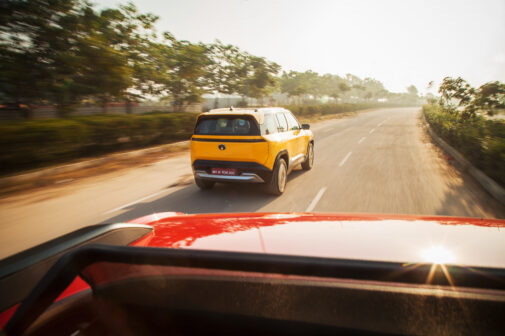
After all the hype, is the new Tata Sierra worth it? The short and long answers are yes. It manages to capture the charm of the original without leaning too heavily on nostalgia. It looks great, feels premium inside, is refined, spacious, loaded with tech, and genuinely enjoyable to drive. This is Tata’s most complete product yet, a leap forward in design, engineering, and sophistication. It ticks 90 per cent of the boxes, and with Tata confirming that an AWD variant is on the way, that last 10 per cent of off-road purists will be more than ready to check it out. The comeback kid has aced it.